Have you ever felt like your hair remains dry no matter how many treatments or styling products you use? Or perhaps you’ve noticed that your hair takes an unusually long time to dry after a shower? These common frustrations are often linked to Hair Porosity, a term you’ve likely been hearing more often lately.
In simple terms, hair porosity is your hair's ability to absorb and retain moisture. By understanding how the outermost layer of your hair (the cuticles) accepts water and oils, you can finally choose the right shampoos and conditioners for your specific needs. Read on to discover your porosity level and how to upgrade your hair care routine!
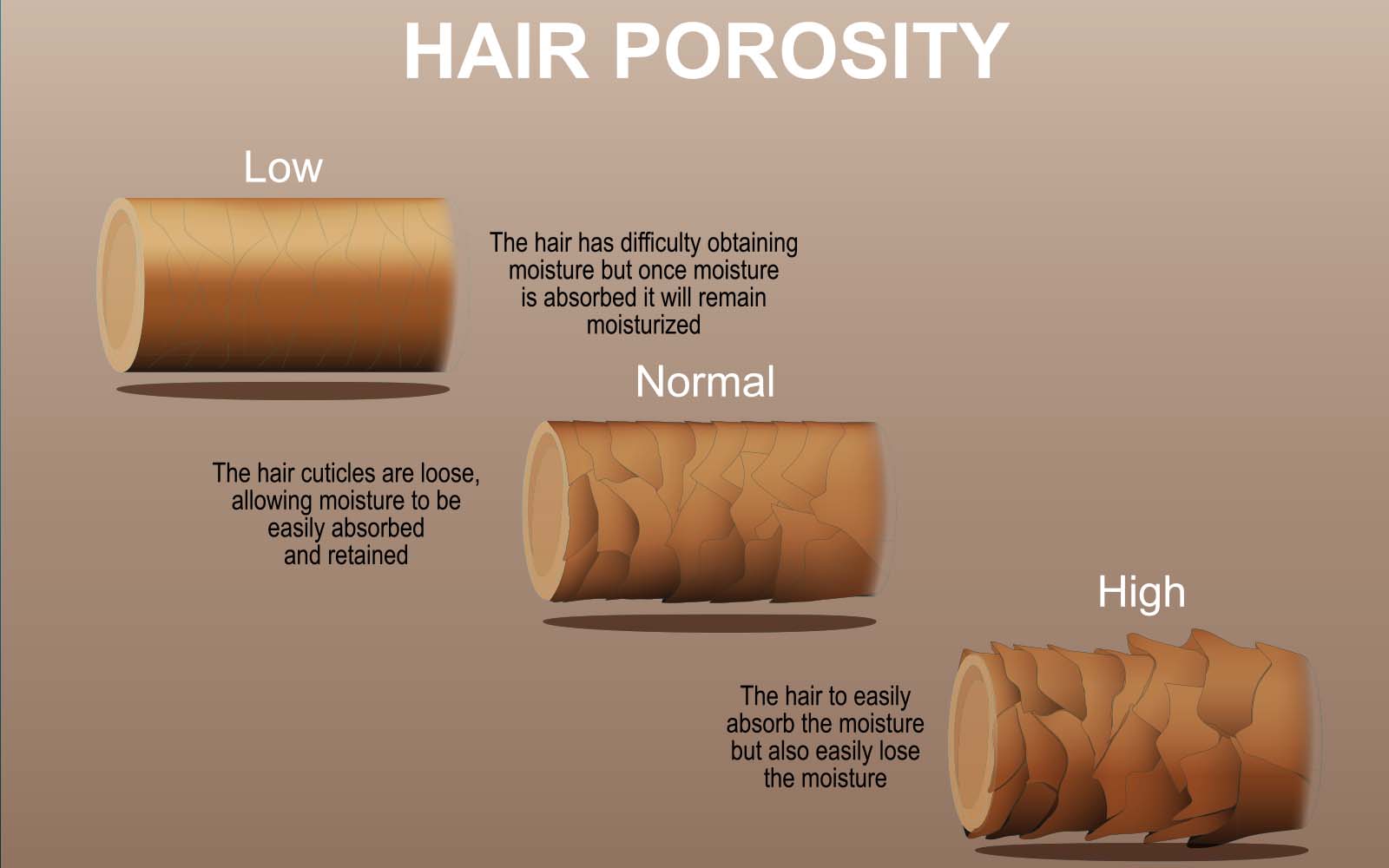
The 3 Main Types of Hair Porosity
1. Low Porosity (Difficult Absorption)
In this type, the hair cuticles are tightly packed together, much like shingles on a roof. This makes it very difficult for water and oils to penetrate the hair shaft.
Characteristics: Usually genetic. Hair often looks healthy and shiny, but products tend to sit on the surface rather than soaking in.
2. Medium Porosity (Normal/Balanced)
This is considered the ideal hair type and is the easiest to maintain. The cuticles are balanced—not too tight, yet not too open.
Characteristics: It absorbs moisture well and is highly effective at retaining it inside the hair shaft for longer periods.
3. High Porosity (Excessive Absorption)
In high porosity hair, the cuticles are either wide open or damaged. While moisture enters the hair very easily, it escapes just as fast.
Characteristics: Often caused by bleaching, excessive heat styling, or prolonged sun exposure. Hair frequently feels dry, frizzy, and brittle.
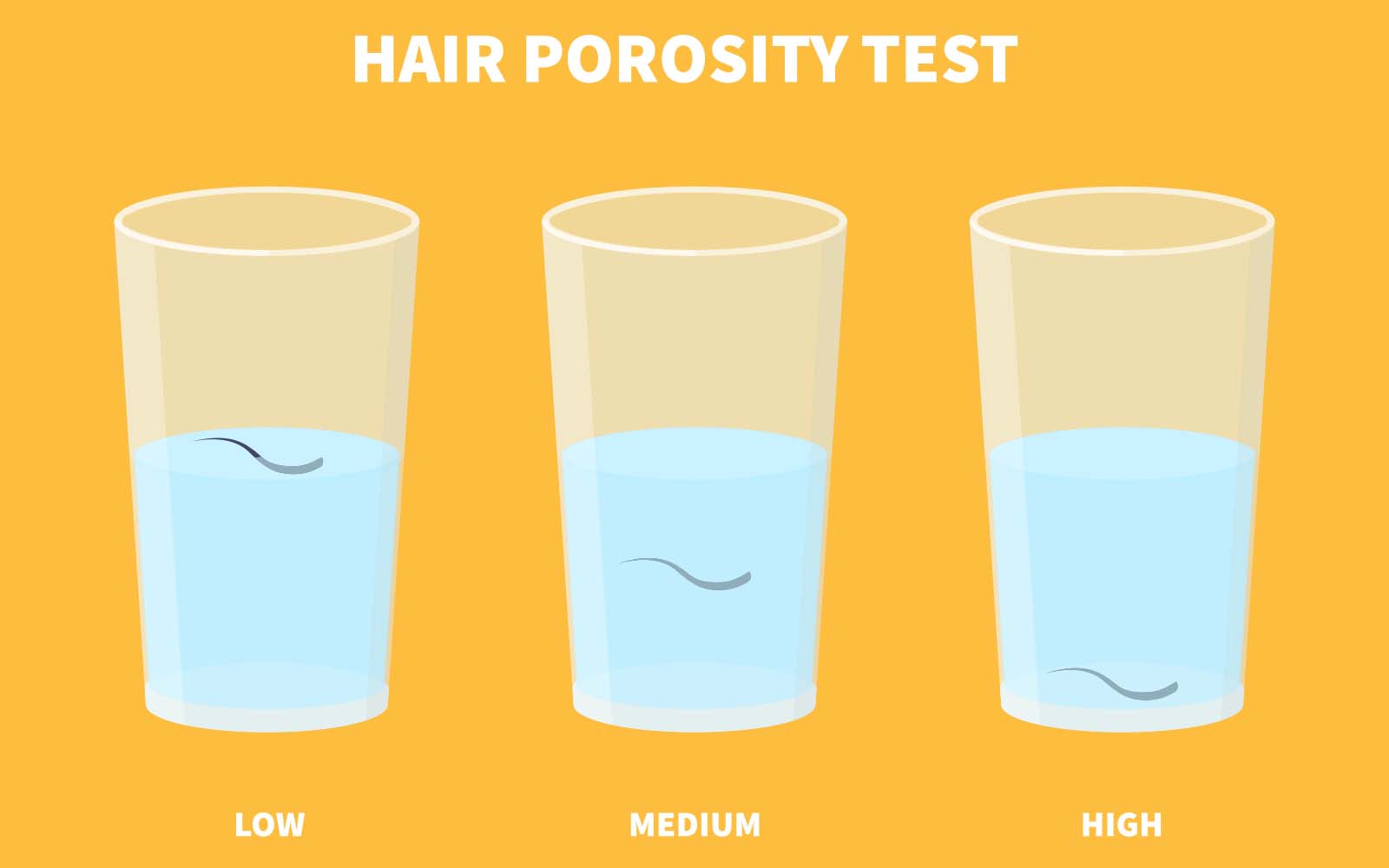
The Float Test: How to Determine Your Level
You can easily test your hair porosity at home with this popular 5-minute method:
Take a single strand of clean, dry hair (make sure it has no oils or leave-in products on it). Drop the strand into a glass of water and wait for 5 minutes.
If it floats: You have Low Porosity (the cuticles are closed, preventing water from entering).
If it stays in the middle: You have Medium Porosity (balanced).
If it sinks to the bottom: You have High Porosity (the hair is damaged or highly absorbent; it soaks up water instantly, becomes heavy, and sinks).
Maintenance Tips for Every Hair Type
The high humidity in countries like Myanmar can present unique challenges depending on your hair type.
For Low Porosity Hair - In hot and humid weather, sweat and natural oils tend to sit on top of the hair, making it feel limp or greasy.
The Fix: Use warm water when washing your hair to help open the cuticles and allow the conditioner to penetrate.
Product Choice: Prioritize lightweight hair serums and water-based products that won't weigh your hair down.
For High Porosity Hair - When humidity is high, this hair type sucks in moisture from the air, causing the strands to swell and become extremely frizzy.
The Fix: Use thicker oils like Coconut Oil or Argan Oil to seal the hair shaft and lock in moisture.
The Final Rinse: Always rinse with cold water at the end of your shower to help snap the cuticles shut.
Sun Protection: Since UV rays can fade hair color and cause damage, apply a hair serum with UV filters or wear a hat when outdoors.
While hair porosity is often a result of genetics, it can also be constantly influenced by water quality, climate, heat, and chemical treatments. Regardless of your type, achieving healthy, shiny hair requires a combination of a healthy lifestyle and products that actually match your hair's structure. We hope this article helps you make the right choice for your crowning glory!



Comments