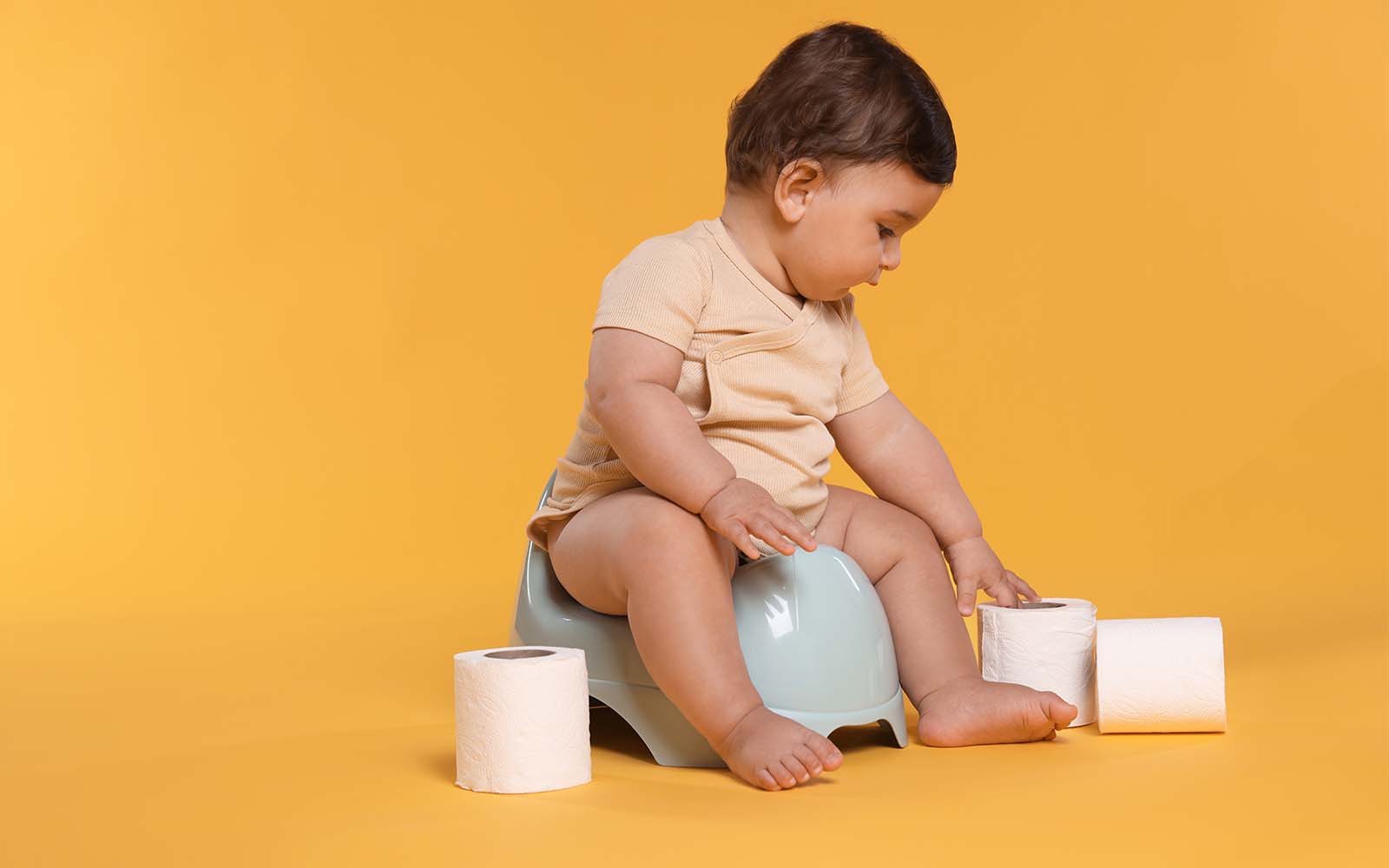
As your little one starts to walk and explore, you might be thinking about moving away from diapers and starting potty training. This transition is a major milestone on their journey to growing up, and the most important factor is building their confidence. As parents, it is natural to feel anxious about the extra laundry and the cleanup involved during the learning phase. However, with patience and the right approach, this becomes a gradual habit that they will eventually master. This article shares helpful tips on when and how to start potty training, offering a helpful roadmap for parents facing this challenge.

Is Your Child Ready?
While many experts suggest starting between 18 and 24 months, your child’s developmental stage is more important than their actual age. Watch for these signs:
Physical Readiness: They can hold their urine for at least two hours (e.g., waking up from a nap with a dry diaper).
Regularity: Their bowel movements happen at roughly the same time every day.
Discomfort with Mess: They start to dislike dirty diapers, try to take them off, or communicate that they are "dirty."
Seeking Privacy: They go to a private spot (like behind the sofa or a corner) when they need to go.
Communication: They understand and use simple words like "pee," "poo," or "potty."
5 Effective Ways to Teach Potty Training
1. Build Interest with Fun Gear
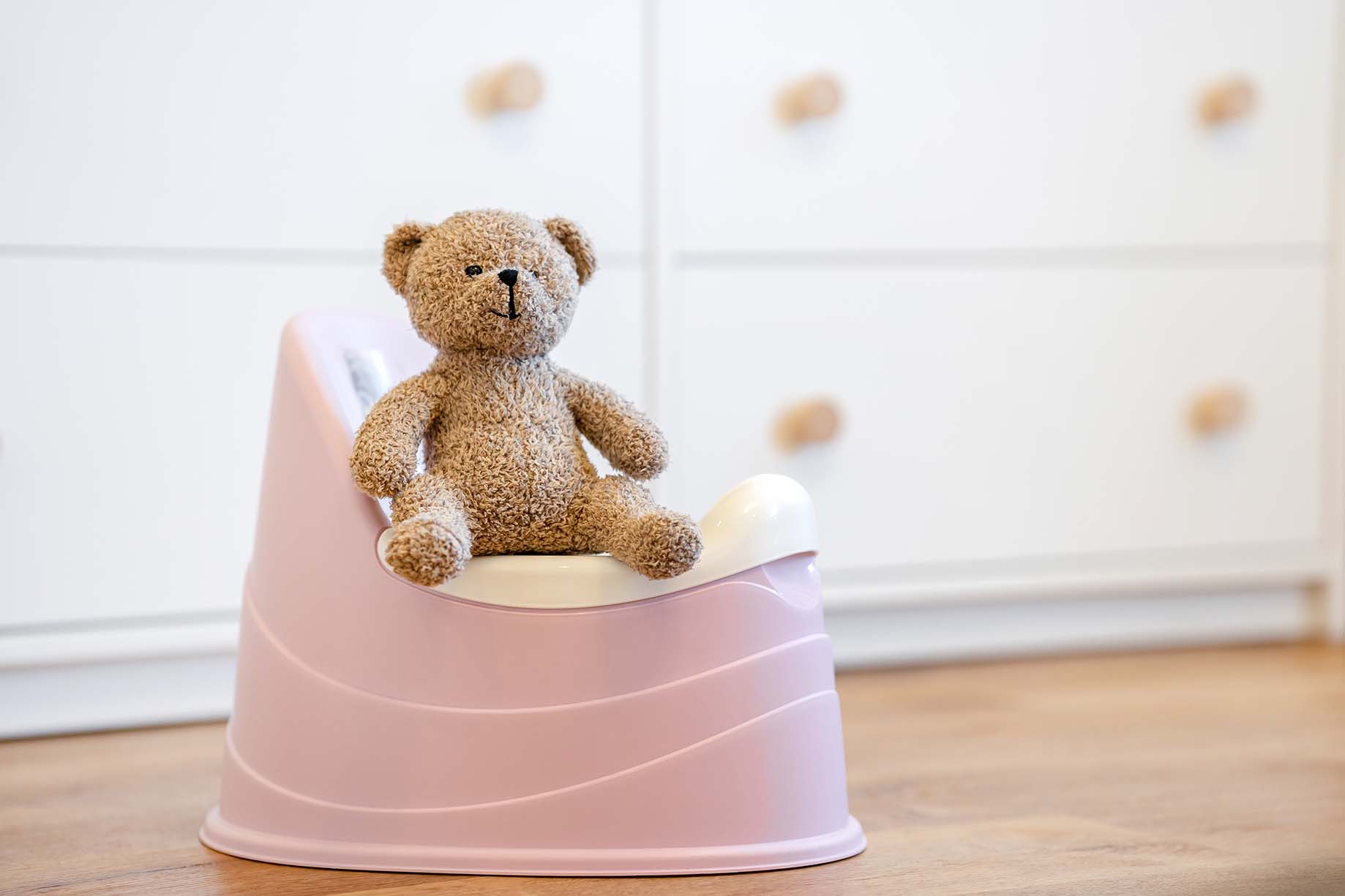
Let your child choose their own potty chair in a color or design they like. Buying "big kid" underwear featuring their favorite cartoon characters can also motivate them to act like an adult.
2. Introduce the Concept through Play
Potty training shouldn't be scary. Read storybooks about the potty or use their favorite dolls/toys to demonstrate how it works through play. This reduces any anxiety they might have.
3. Establish a Routine
Consistency is key. Encourage your child to sit on the potty for a few minutes at regular intervals, such as 20 minutes after a meal or immediately after waking up. Even if they don't "go," the goal is to get them used to the habit of sitting there.
4. Positive Reinforcement
Every time your child is successful, celebrate with claps, hugs, and praise. This makes them want to try harder next time.
5. Stay Calm During Accidents
If your child has an accident outside the potty, do not scold them. Scolding creates fear, which can actually delay the training process. Instead, stay calm, explain what happened gently, and clean it up together.
Some children learn quickly, while others take more time. The most important thing is for parents to remain patient and keep the environment cheerful. By following these steps and practicing gradually, your child will achieve this milestone in no time!

Comments