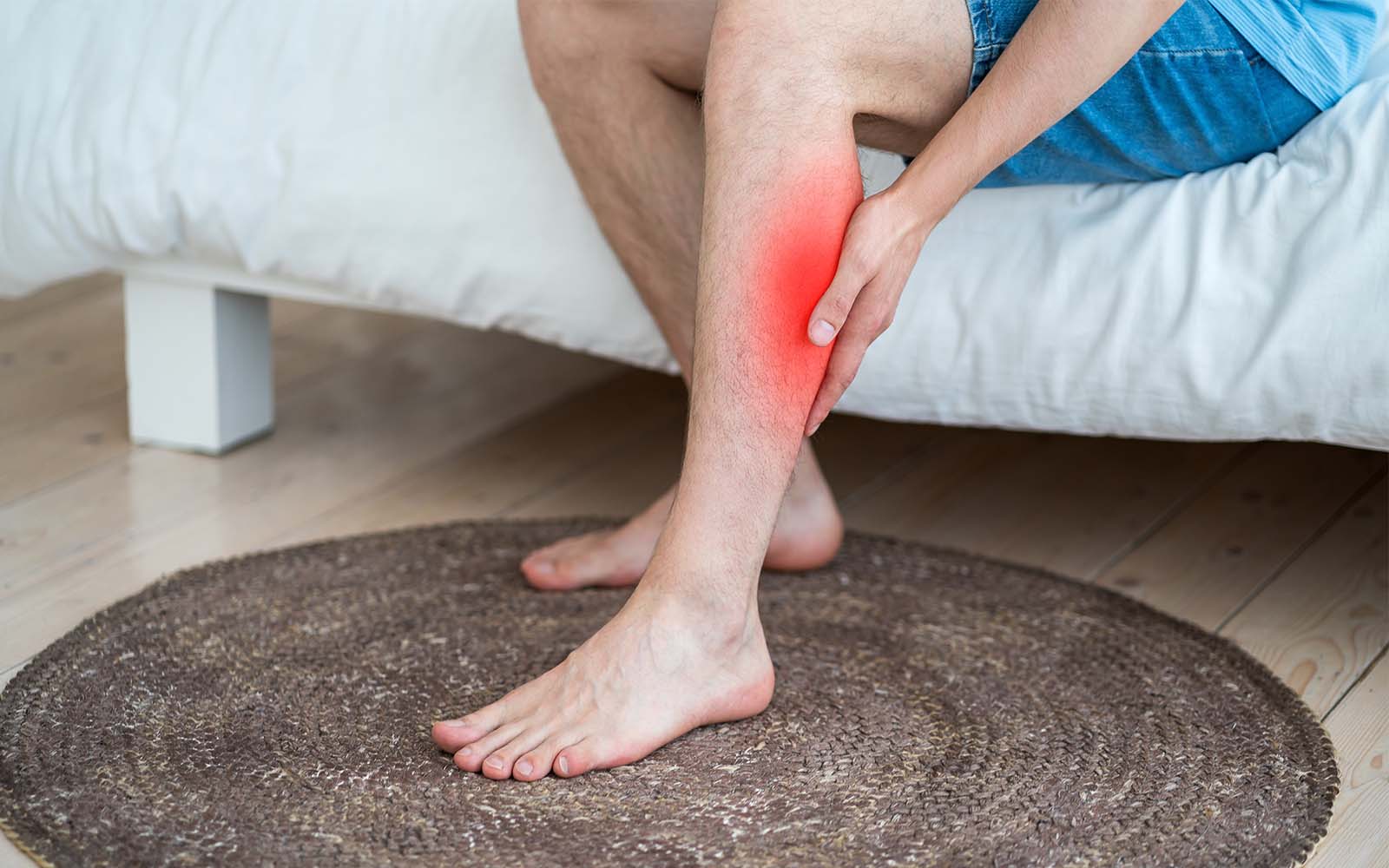
You’ve probably heard people say that the calf muscle is the body’s “second heart.”
But what many people don’t realize is that, besides the heart, the calf muscles play a crucial role in helping blood circulate smoothly throughout the entire body. When we exercise, we tend to focus mainly on strengthening our thighs and hip muscles, paying less attention to the calves, even though they are essential. Overlooking them can negatively affect long-term health. So, let’s take a closer look at why the calf muscles function like a mini heart and how we should train them properly.
How the Calf Muscles Work
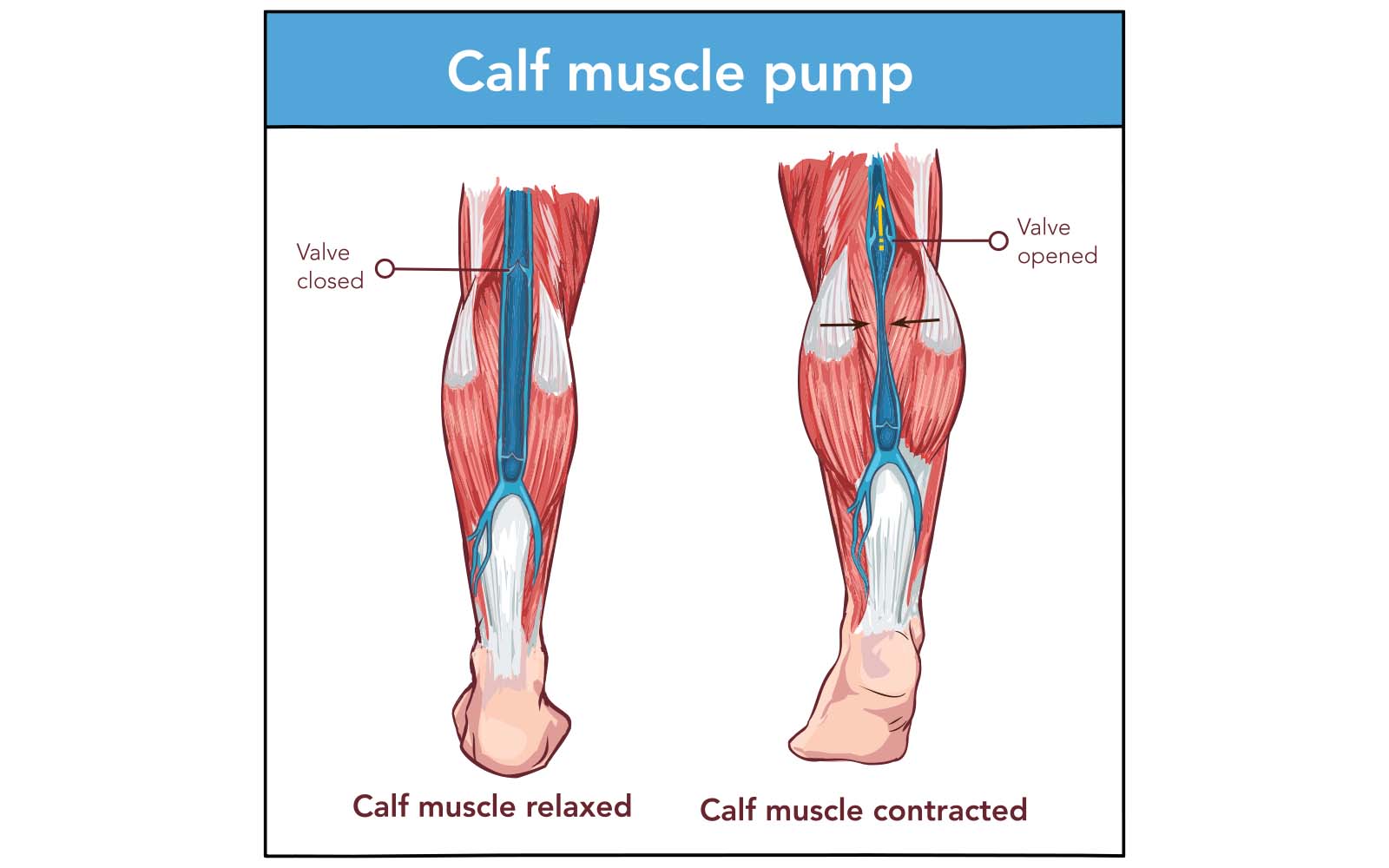
When we look at how the body keeps us alive, the heart pumps oxygen-rich blood throughout the body. However, the blood in our lower body must fight against gravity to return back up to the heart and lungs. This upward return of blood is assisted by something called the Venous Muscle Pump, a pumping action created by the calf muscles. The two major muscles in the calf are: Gastrocnemius, the upper calf muscle and Soleus, the deeper lower calf muscle. Together, they work like a pump.
When we walk or run, these muscles contract, allowing the ankle to bend and extend.
The contraction squeezes the veins inside the calf.
That pressure pushes deoxygenated blood upward, back toward the heart.
Without this pumping action, blood can pool around the ankles and feet, causing swelling, fatigue, varicose veins, or even serious conditions like Deep Vein Thrombosis (DVT).
Why You Should Care for Your Calf Muscles
Strong calves don’t just help blood circulation, they also support almost every movement in the lower body, prevent injuries and improve balance and speed up recovery during workouts. Because of their important role, weak calf muscles can lead to poor circulation and discomfort. Here are simple daily habits to strengthen and care for them:
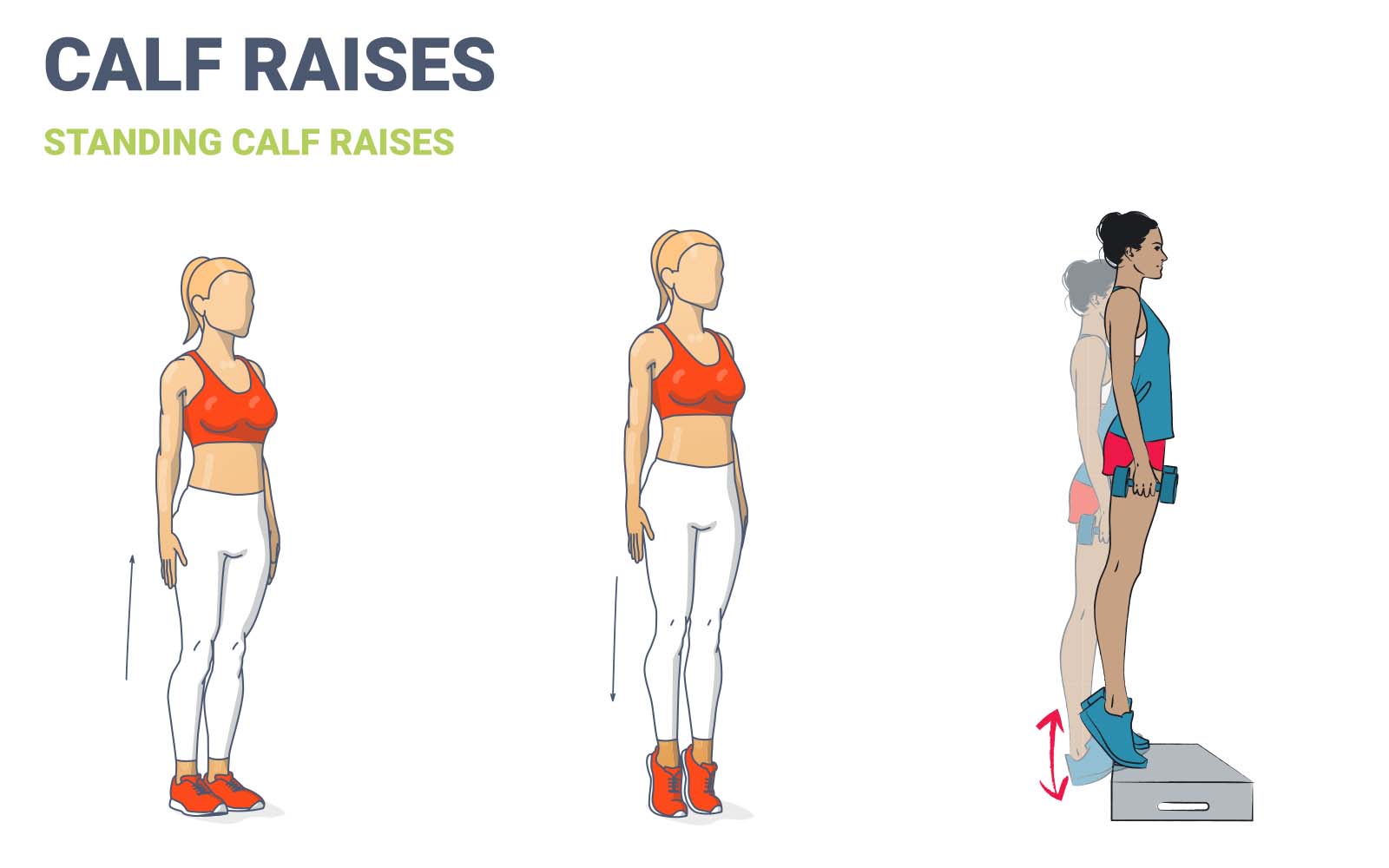
Calf Raises - Stand straight and slowly lift your heels to stand on your toes, then lower back down. (You can do this on stairs for a deeper stretch.)
Walking, light jogging, or uphill walking - Great for strengthening the calves naturally.
Jump rope - A fun and effective exercise that targets the calf muscles directly.
Stretch after every workout - This keeps the muscles flexible and prevents tightness and soreness.
Taking just a few minutes a day to strengthen your calves can make a huge difference in circulation and overall comfort when walking or standing.
Now, you can see why calf muscles are referred to as the second heart. They play a major role in helping blood circulate, keeping our legs healthy, and supporting long-term mobility. So, start giving your calves the attention they deserve and incorporate simple movement into your daily routine for better overall health.




Comments