
In Myanmar, where street food and traditional snacks are a big part of daily life, poor sanitation can contribute to the spread of infectious diseases like hepatitis A. Recently, outbreaks of hepatitis A caused by the hepatitis A virus (HAV) have been affecting people of all ages, making it a growing public health concern. Since this contagious disease directly impacts liver health, it’s important to understand how it spreads and how to protect yourself and your family.

How Does Hepatitis A Spread?
Hepatitis A primarily spreads through consuming contaminated food and water, using unclean utensils or touching contaminated surfaces, and contact with an infected person’s bodily fluids, including through sexual contact. Among the different hepatitis strains (A, B, C, D, and E), hepatitis A is the most commonly spread through food and water. While it is rarely fatal, it can still cause serious discomfort and lead to complications, especially for those with weak immune systems, pregnant women, and individuals with chronic illnesses like diabetes, cancer, or HIV. In pregnant women, severe cases of hepatitis A can lead to a condition called Fulminant Hepatitis E, which may be life-threatening.
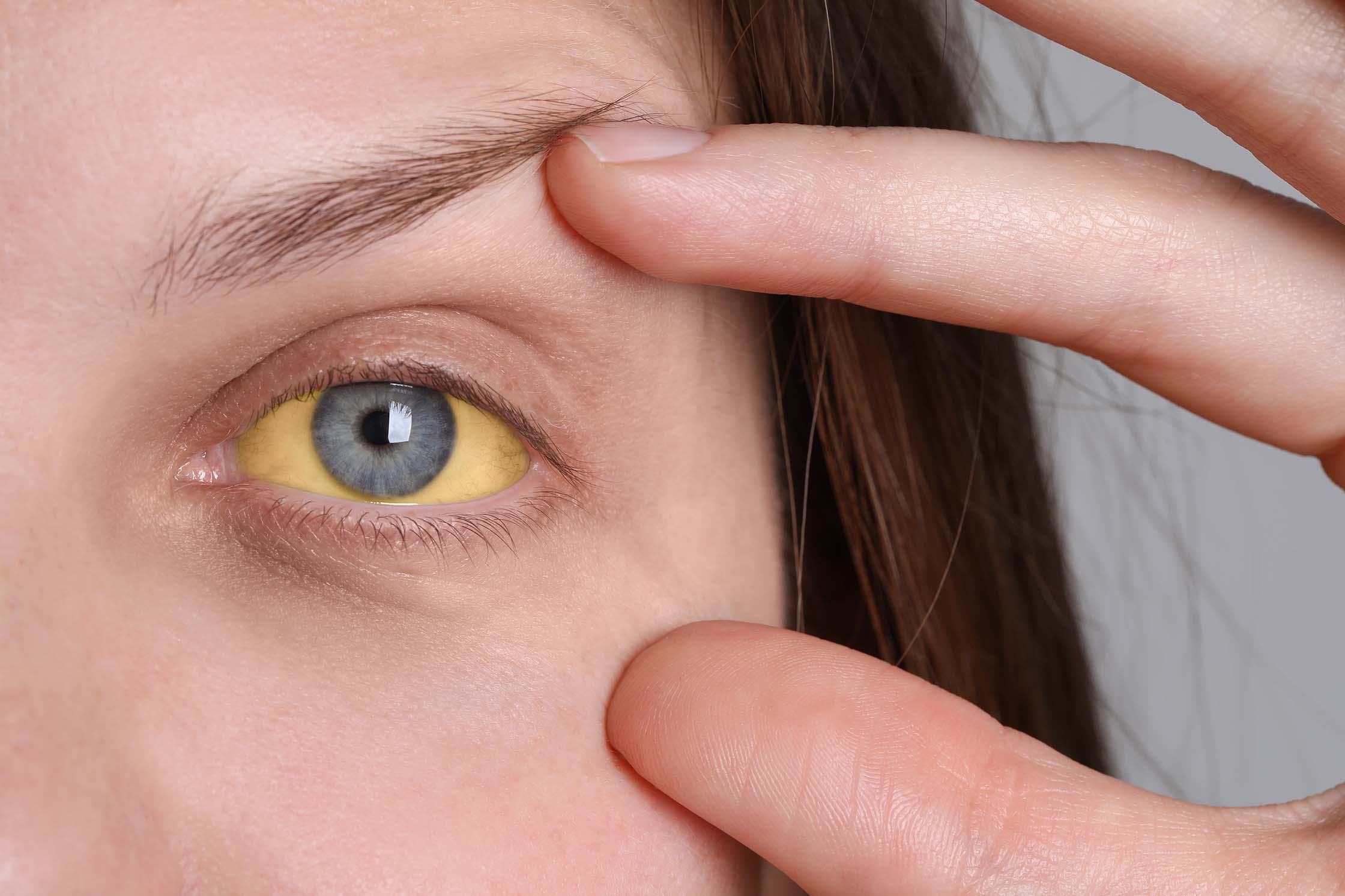
Symptoms of Hepatitis A
Some people infected with HAV show no symptoms, but common signs include:
- Fever
- Fatigue and weakness
- Nausea and vomiting
- Stomach pain and discomfort
- Jaundice (yellowing of the skin and eyes)
- Dark-colored urine and diarrhea
Symptoms can last from two to six weeks, sometimes up to two months. If you experience these symptoms, seeking medical attention is crucial.

How to Prevent
Since there is no specific cure for hepatitis A, prevention is key. Here’s what you can do:
- Wash hands properly – Always wash hands with soap and water before eating, cooking, or after using the restroom.
- Eat freshly cooked food – Consume only hot, thoroughly cooked meals and drink clean, safe water.
- Maintain personal hygiene – Keep yourself and your surroundings clean to minimize the risk of infection.
There is no direct treatment for hepatitis A, so if infected, patients should rest, maintain proper nutrition, and drink plenty of fluids to help their body recover. Since prevention is better than cure, taking simple precautions in daily life can help protect you and your loved ones. Let’s work together to keep our communities safe and hepatitis-free!





Comments