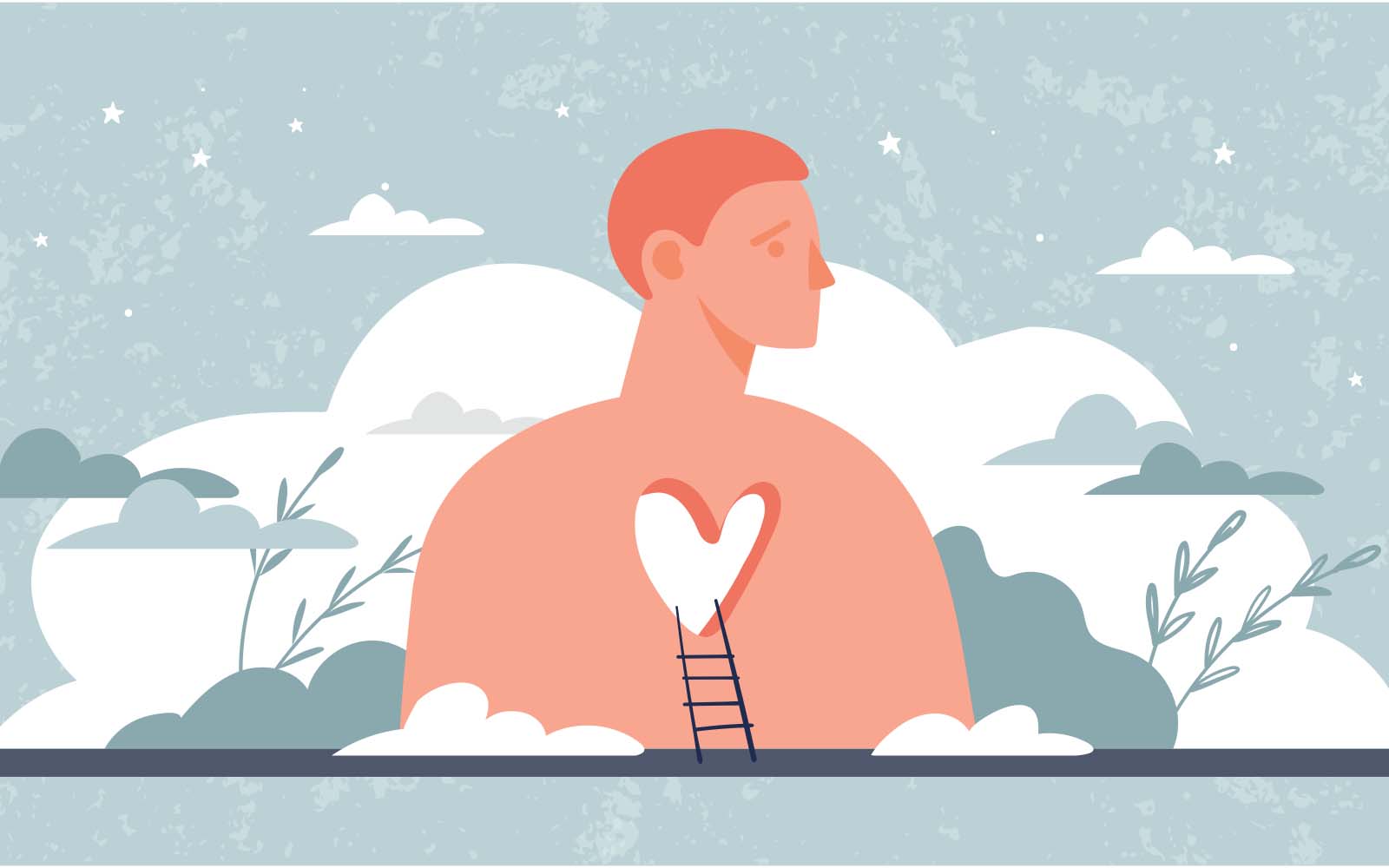
Every person carries memories from their childhood, some that bring laughter and warmth, and others that bring pain and fear. The experiences we go through as children often stay with us, consciously or unconsciously, shaping the way we see the world as adults. While there are happy memories we love to revisit, there are also painful experiences that we would rather forget. If these traumatic moments from childhood were never properly healed, they may continue to affect one’s emotional well-being and social life even into adulthood.
It’s important to remember, those negative memories were not your fault. Nor should they define your future or become a permanent emotional weakness. With understanding and care, it’s possible to heal and move forward to live a healthy, fulfilling life. In this article, we’ll explore the impact of childhood trauma and ways to begin emotional recovery.
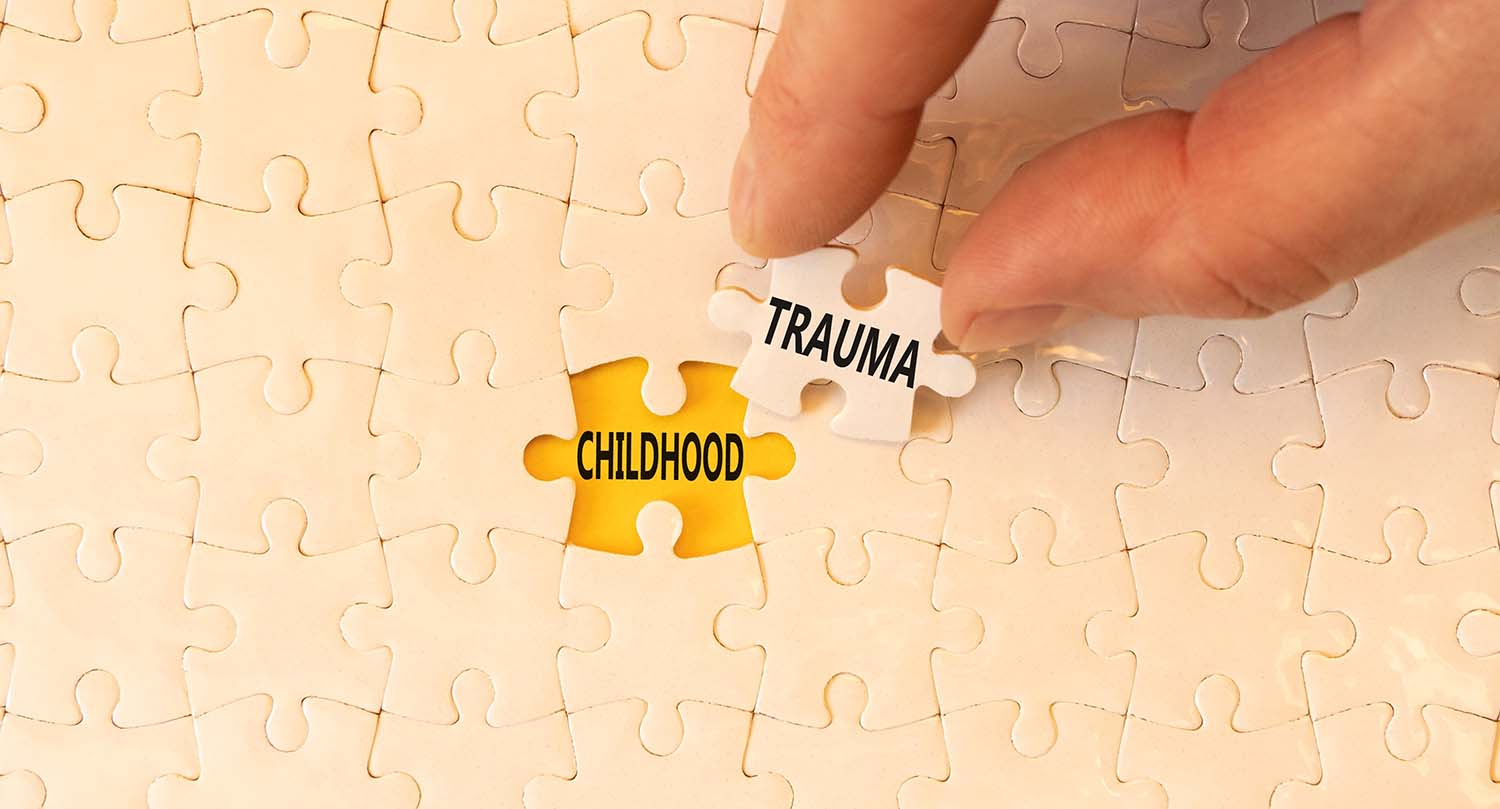
What is Childhood Trauma?
Childhood trauma refers to experiences that cause sudden fear, helplessness, or loss of safety, such as frequent parental conflict, accidents, frightening incidents, neglect, or witnessing someone you love in distress. These events can leave lasting emotional scars, sometimes resurfacing even years later as anxiety or physical tension when triggered by new situations. Traumatic experiences can include:
- Exposure to loud arguments or violence at home
- Accidents or frightening scenes
- Feeling abandoned or unsupported by parents or relatives
- Witnessing a loved one suffer physically or emotionally
For young children, these moments deeply affect their emotional development and sense of security.

Signs That May Appear in Adulthood
If you experienced trauma at a young age, you might notice certain emotional or behavioral patterns as you grow older:
- Difficulty trusting others or maintaining close relationships
- Fear of abandonment, or preferring isolation
- Overreacting to small problems with fear, shame, or anxiety
- Negative self-talk or constant self-doubt
- Feeling unworthy or unable to succeed
- Difficulty saying “no,” or always prioritizing others over yourself
Recognizing these signs is the first step toward finding the right healing methods and support.
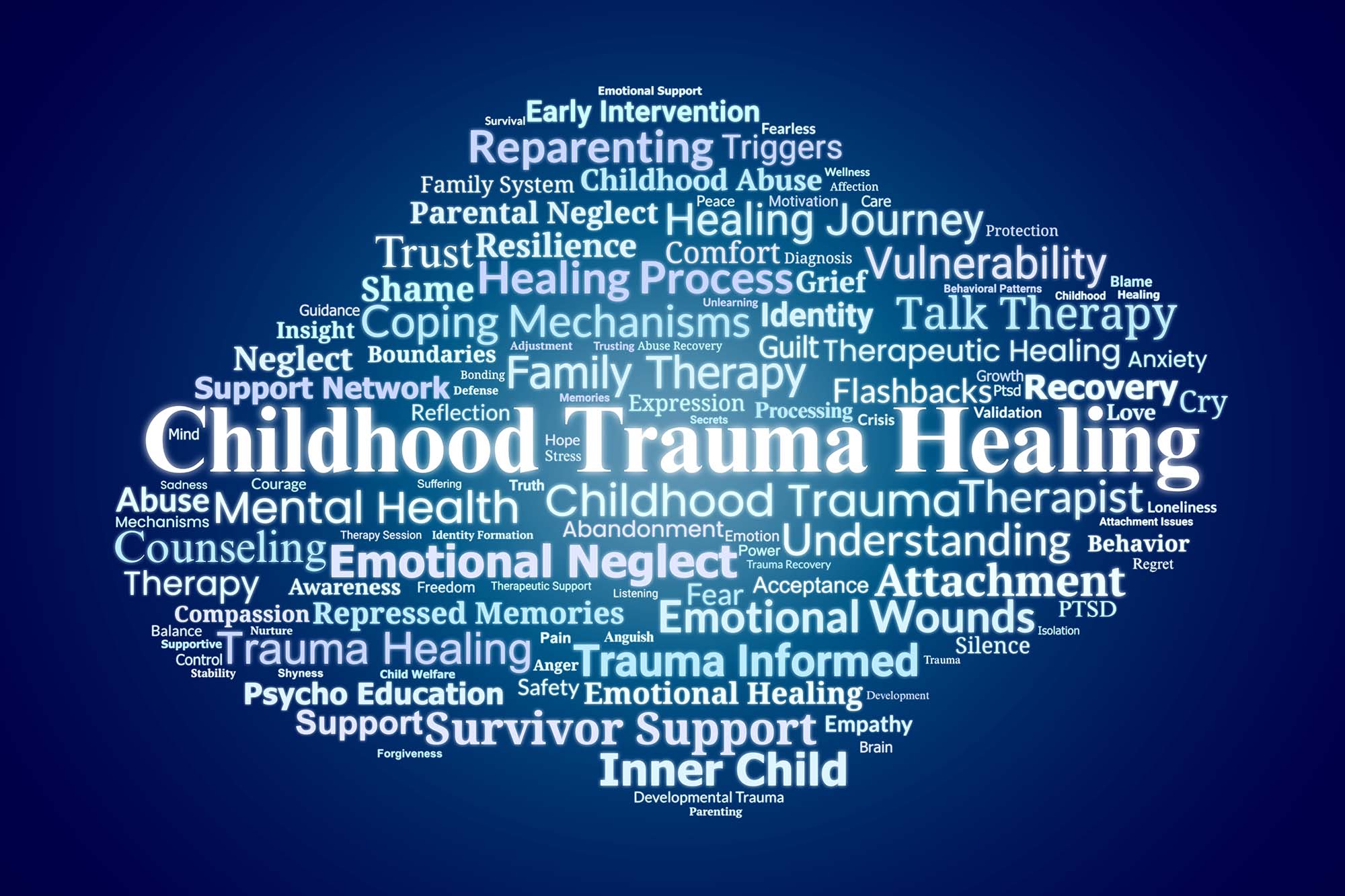
Steps Toward Healing
1. Acknowledge with Kindness - Be gentle with yourself. Don’t blame yourself for what happened in the past. When fear or insecurity arises, acknowledge it with compassion, tell yourself, “It’s okay to feel this way, but I am safe now.” This small act of self-kindness helps your inner child feel seen and protected.
2. Reconnect with the Present - Our bodies often hold onto emotions from the past. To calm your nervous system, try the 5-4-3-2-1 grounding method: Notice 5 things you can see, 4 things you can touch, 3 things you can hear, 2 things you can smell, 1 thing you can taste. Pair this with slow, mindful breathing to restore a sense of calm and safety.
3. Set Boundaries and Self-Respect - Healing also means learning to protect your energy. Practice saying “no” politely when something feels too much. Setting boundaries doesn’t make you selfish, it makes you strong and self-respecting.
4. Seek the Right Support - While self-healing is possible, professional help can make the journey smoother. Consider talking to a trusted therapist or counselor who specializes in trauma recovery. With the right guidance and care, emotional wounds can be gently healed.
Childhood trauma can cast long shadows, but it doesn’t have to define your life. By understanding, acknowledging, and nurturing yourself, you can move beyond pain and create a future filled with peace and joy.





Comments