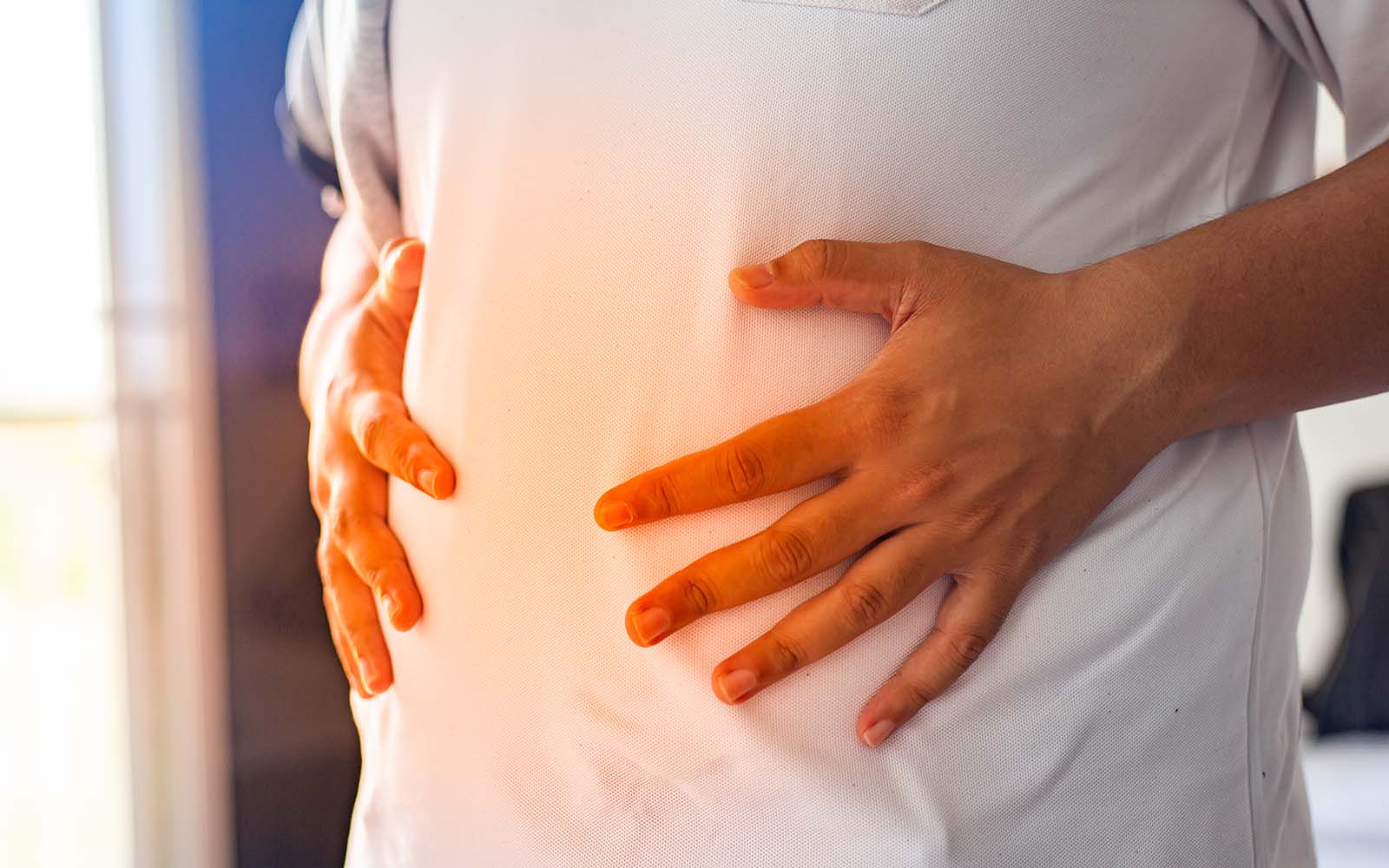
When you feel bloated or your stomach is full of gas, many people tend to ignore it, thinking it will go away on its own. However, this is a symptom of indigestion that shouldn't be underestimated, as it can interfere with your daily life. When this happens, you might feel uncomfortable and bloated, which are not only external symptoms but also signs of internal health issues. Therefore, knowing what causes bloating and how to treat it can help you prevent it and avoid potential related health problems as much as possible. So, let's read this article to the end and learn in detail about bloating for your long-term health and daily comfort.

When Does Bloating Occur?
Bloating can happen for a variety of reasons, including:
Weak digestive system: Problems with your digestive system, such as constipation, indigestion, or food allergies, can cause bloating.
Swallowing air: When you eat, you might swallow air along with your food, which can lead to gas build-up. For example, eating foods like beans, cabbage, and sugary foods can produce more gas in the stomach and intestines.
Carbonated drinks and fermented foods: These can also contribute to gas.
Bad habits: Eating too quickly, an irregular eating pattern, and lack of physical activity can also cause bloating.
Hormonal changes: For women, hormonal imbalances during menstruation can cause bloating.
High stress: When you are under a lot of stress, it can directly affect the function of your stomach and intestines, leading to indigestion and bloating.
Sometimes, bloating can be temporary and not severe. However, if you experience frequent and severe bloating, it could be caused by gastrointestinal issues like IBS (Irritable Bowel Syndrome) or lactose intolerance.

How To Relieve Bloating
You can relieve bloating naturally and simply, and also prevent it by improving your digestive system.
- Eat slowly and chew your food properly to improve your digestive system and reduce air intake.
- Stay hydrated to prevent constipation and support digestion.
- Reduce your intake of carbonated drinks, processed foods, and starchy foods to prevent gas build-up.
- Reduce stress and stay active with regular exercise, which can support your digestive system and help release gas.
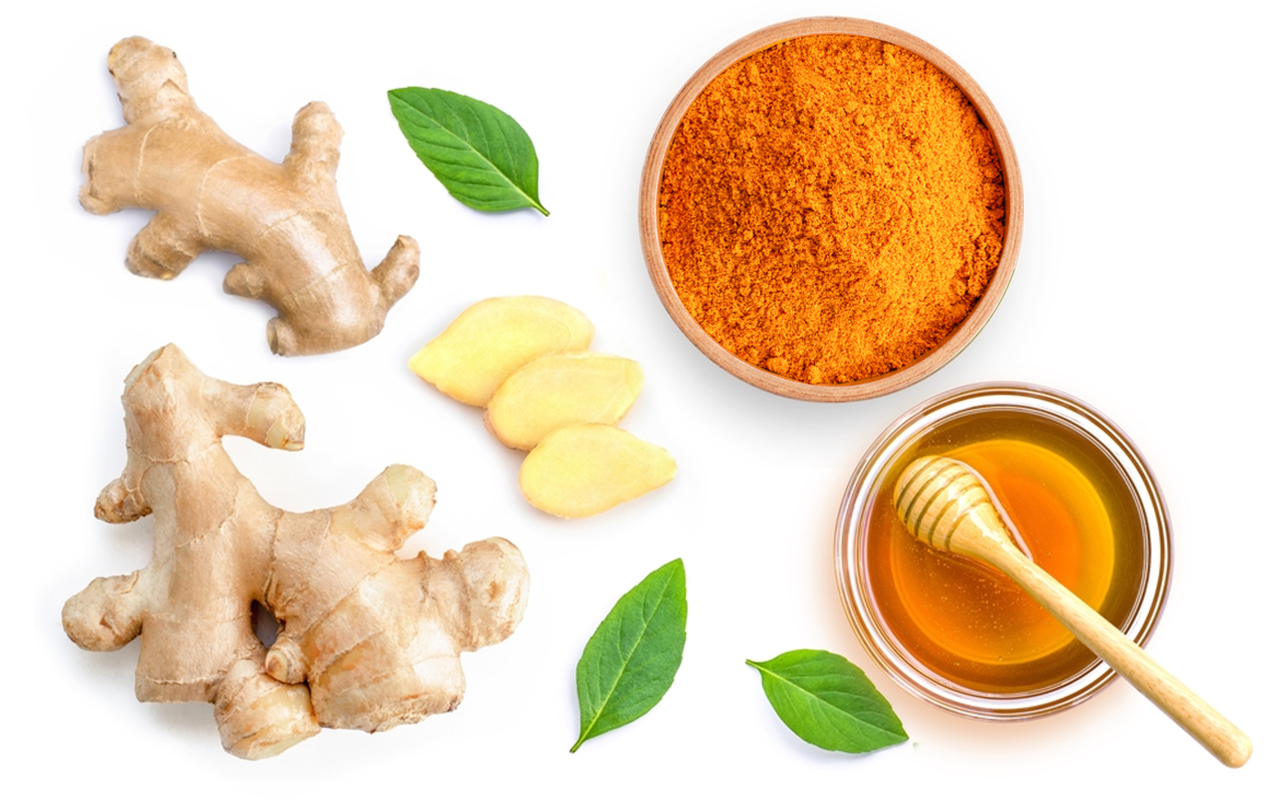
- Drink herbal teas made from ginger, peppermint leaves, and chamomile to soothe bloating and discomfort.

When Should You Seek Medical Attention?
In most cases, bloating and discomfort can go away quickly. However, if it becomes severe and frequent, it can affect your daily routine and concentration. From a health perspective, it could also be an early symptom of various diseases like an inflamed digestive tract or stomach ulcers. Therefore, you shouldn't take it lightly. If your body shows severe signs, you should seek professional medical help to get a proper diagnosis and treatment.
We hope you have a better understanding of bloating and its potential health effects. We encourage you to adjust your diet and lifestyle to stay healthy and active, both physically and mentally.




Comments