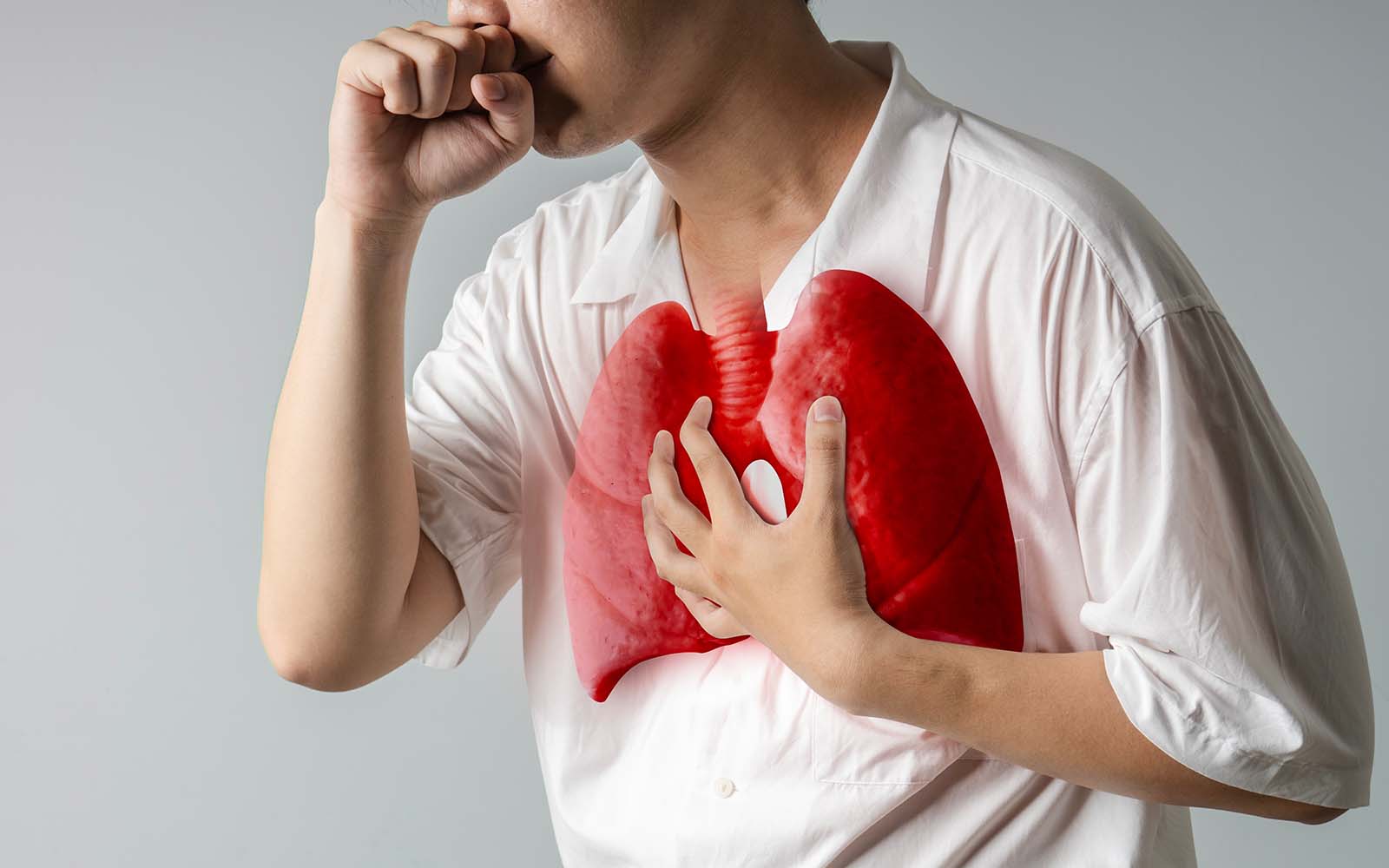
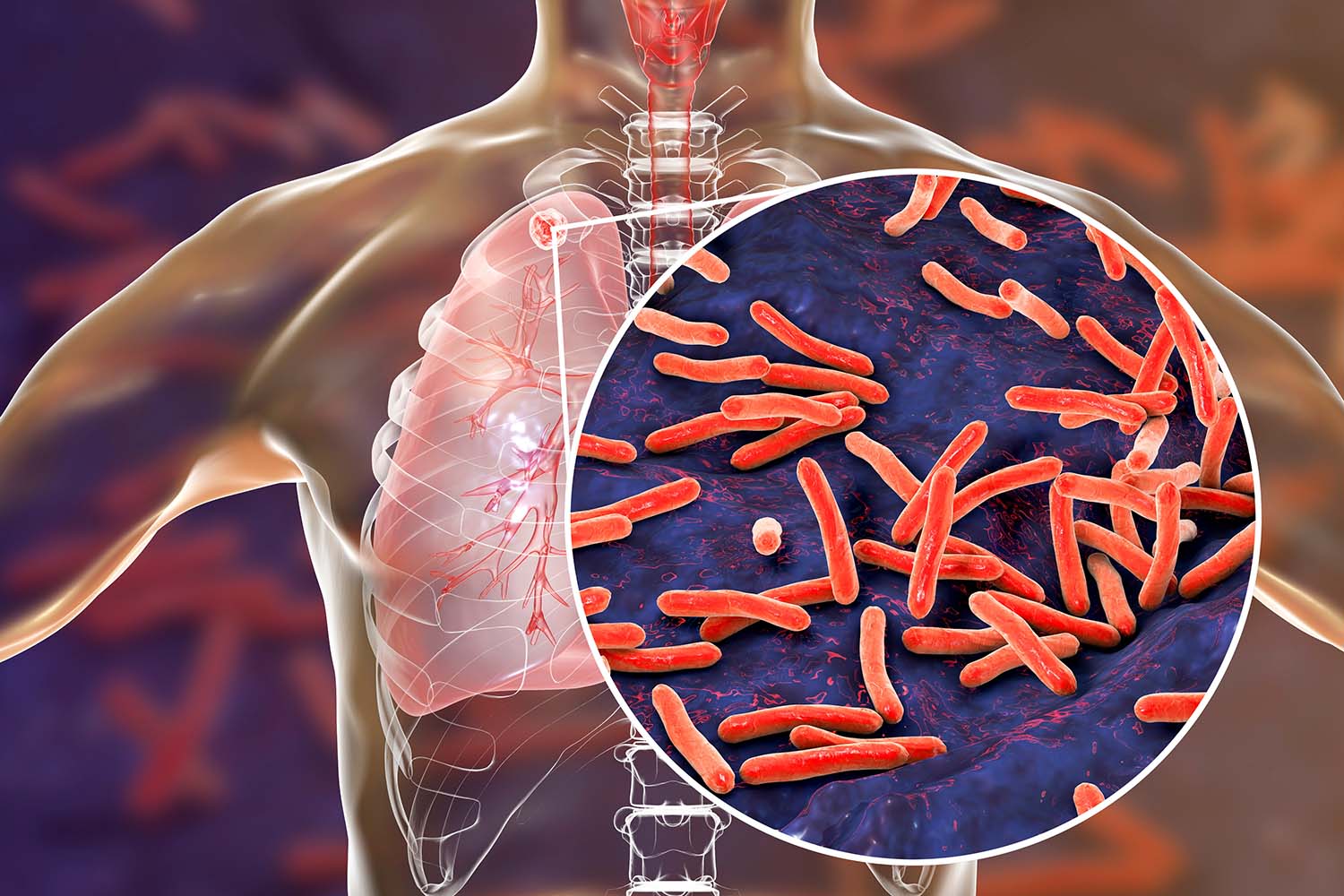
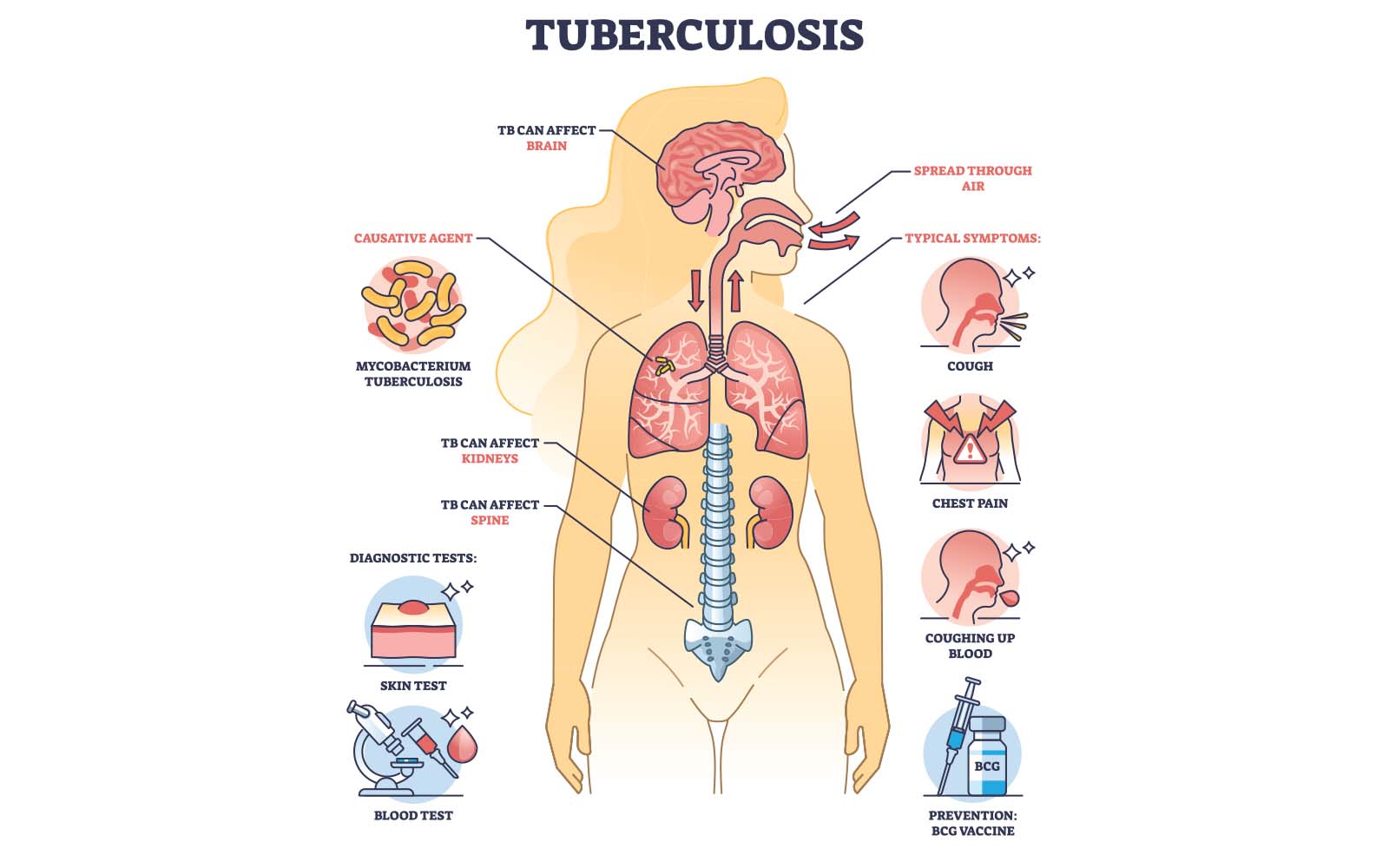
Recently, tuberculosis (TB) has been spreading more commonly in communities. Although it is highly contagious and concerning, TB is also a curable disease if detected early and treated correctly. TB is caused by the bacterium Mycobacterium tuberculosis, which primarily affects the lungs. When someone with TB coughs, sneezes, or even talks, bacteria from their lungs and airways are released into the air. Anyone can become infected, but those with weaker immune systems are at higher risk. That’s why it’s important for everyone to learn more about TB, how to prevent, recognize, and treat it for the safety of ourselves and our families.
Symptoms to Watch Out For
There are two types of TB:
Latent TB: The bacteria are present, but the immune system keeps them under control, so symptoms do not appear. However, if immunity weakens, latent TB can develop into active TB.
Active TB: The bacteria multiply, causing symptoms after a few weeks or longer, and it can be spread to others.
Both types can be dangerous. And signs to watch include:
- Persistent cough for more than two weeks (sometimes with phlegm or blood)
- Fever, especially in the evenings, with night sweats
- Unexplained weight loss
- Constant fatigue and weakness
- Chest pain, shortness of breath, or back pain
If these symptoms last longer than two weeks, it is important to see a doctor for proper testing and treatment. Early diagnosis can protect both you and those around you.
Treatment
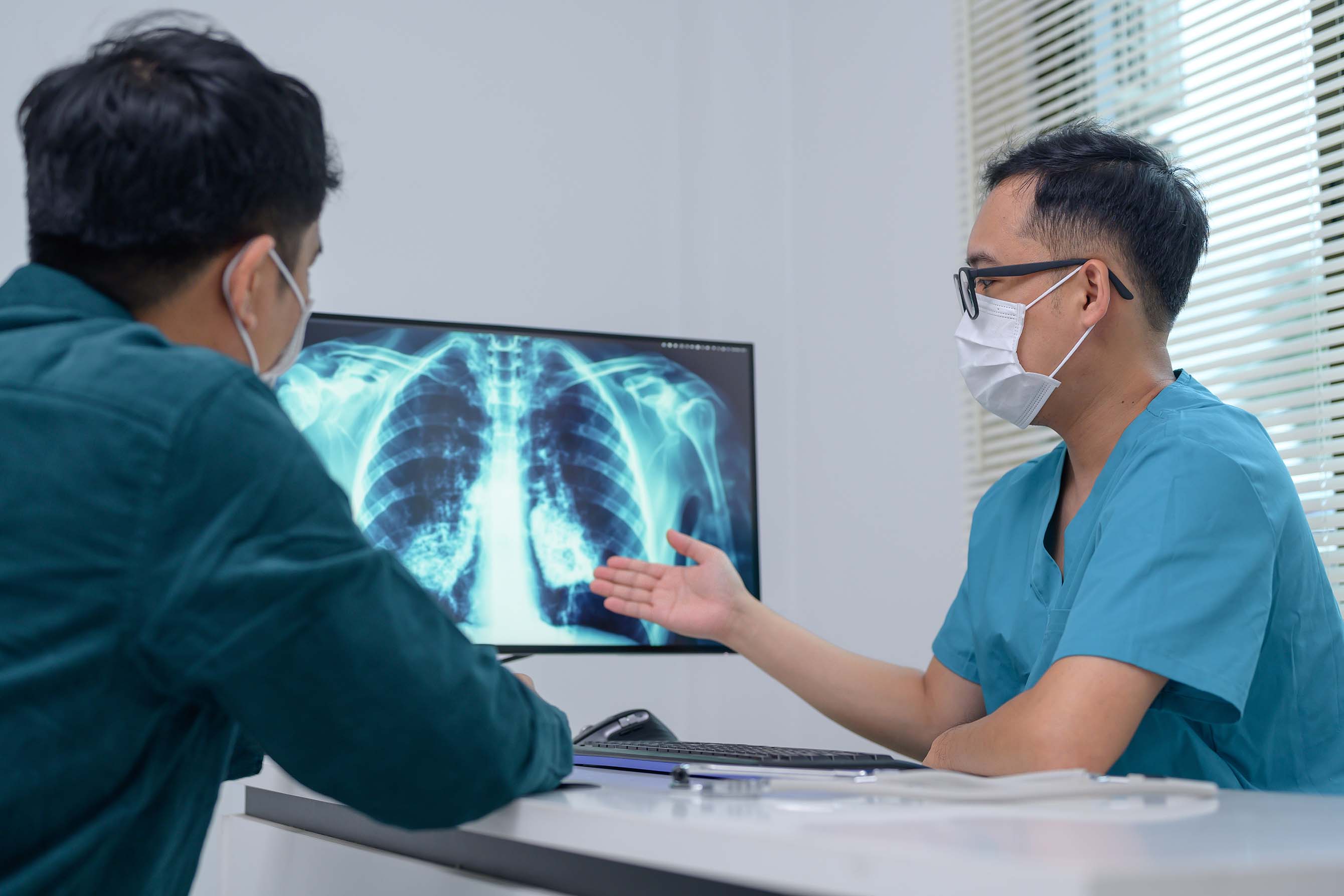
While TB can affect other organs such as the brain, bones, kidneys, and lymph nodes, the most common type is pulmonary TB (lung TB). Fortunately, it is treatable. Medical diagnosis often includes lab tests and chest X-rays. According to WHO guidelines, the DOTS method (Directly Observed Treatment, Short-course) is used, with treatment lasting 6–9 months. Even if symptoms improve, it is crucial to continue taking the full course of medication as prescribed. Stopping early can lead to drug-resistant TB, which is much harder to cure.
Prevention
Prevention is more effective than treatment. Steps include:
- Wash hands frequently and cover your mouth when coughing or sneezing.
- Keep homes and workplaces well-ventilated to reduce the spread of germs.
- Ensure newborn babies receive the BCG vaccine to protect against severe forms of TB.
- Eat a balanced diet, get enough rest, and maintain a strong immune system.
By knowing the symptoms, practicing prevention, and seeking medical help early, we can reduce the spread of TB in our communities. Protecting yourself and others is the best way forward.




Comments