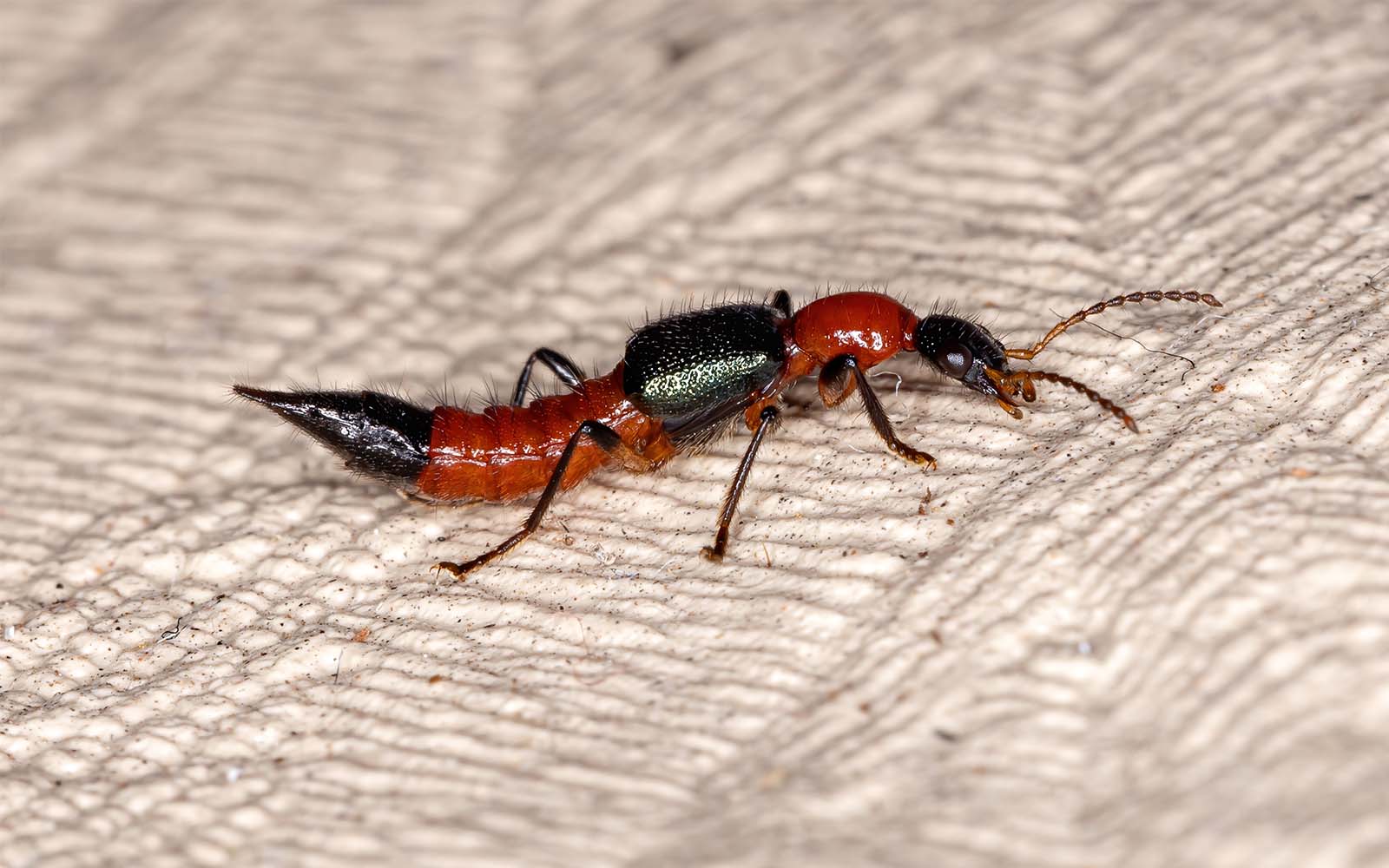
During seasonal transitions, from the end of summer to the rainy season, and from the end of the rainy season to winter, insects tend to appear more often. Some of them can be poisonous, posing risks for both adults and children. Among these, the Rove Beetle (locally known as “fire beetle”) has become increasingly common lately. Its toxin can cause serious skin and nerve damage, making it a dangerous insect to encounter. Because the reaction is often sudden, people may not realize how or when they came into contact with the insect, leading to misdiagnosis or improper treatment that can worsen the condition.
This article explains the risks, symptoms, and prevention methods of Rove Beetle dermatitis, helping you protect your family and surroundings.
How It Reaches People
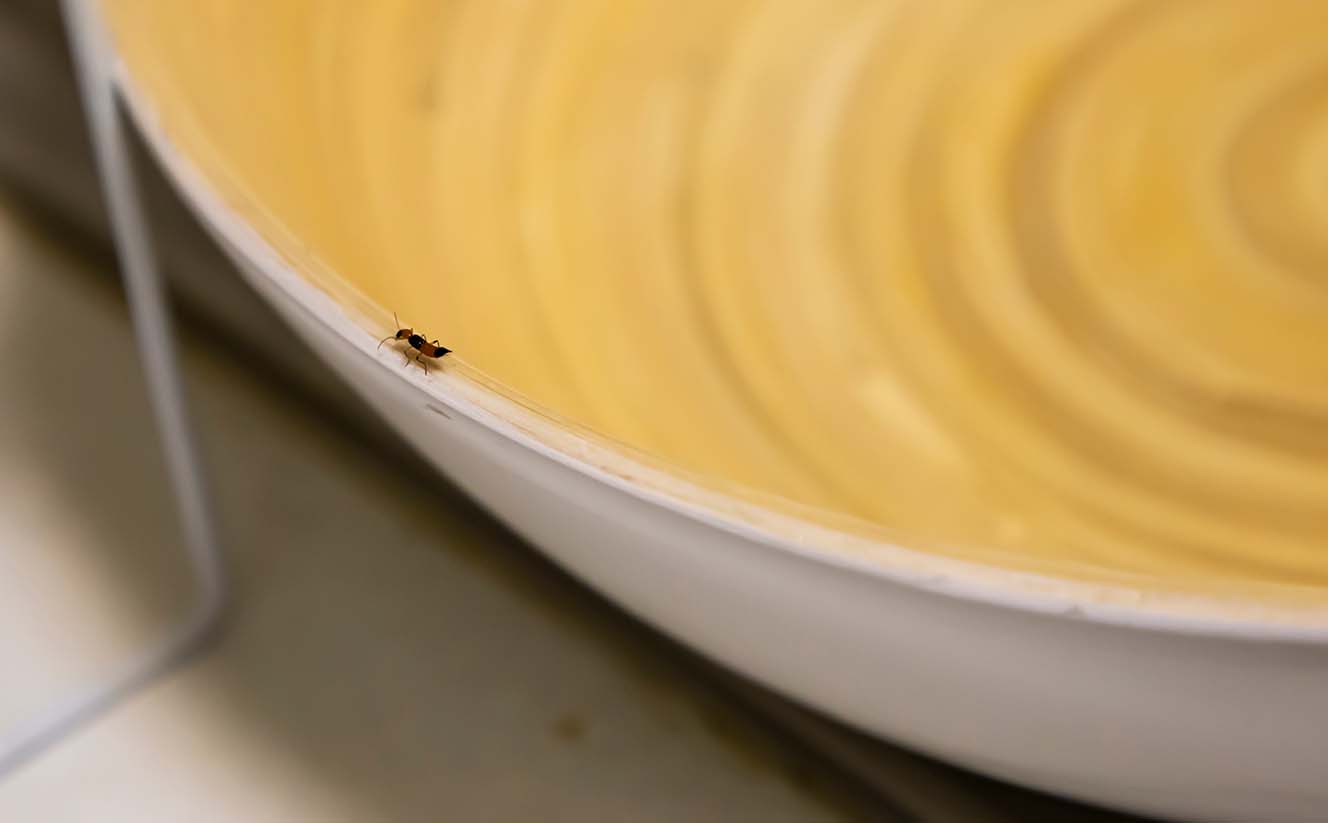
The Rove Beetle, scientifically known as Paederus, is a small insect attracted to light sources like lamps and fluorescent bulbs, often found indoors. It has a slim, segmented body, orange and black in color, and resembles an ant.
Although it doesn’t bite or sting, it releases a powerful toxin called Pederin when crushed or brushed away by hand. This chemical can stick to skin, clothes, or surfaces, causing a condition known as Paederus Dermatitis, which leads to blistering, redness, and burning sensations.
Symptoms and How It Starts
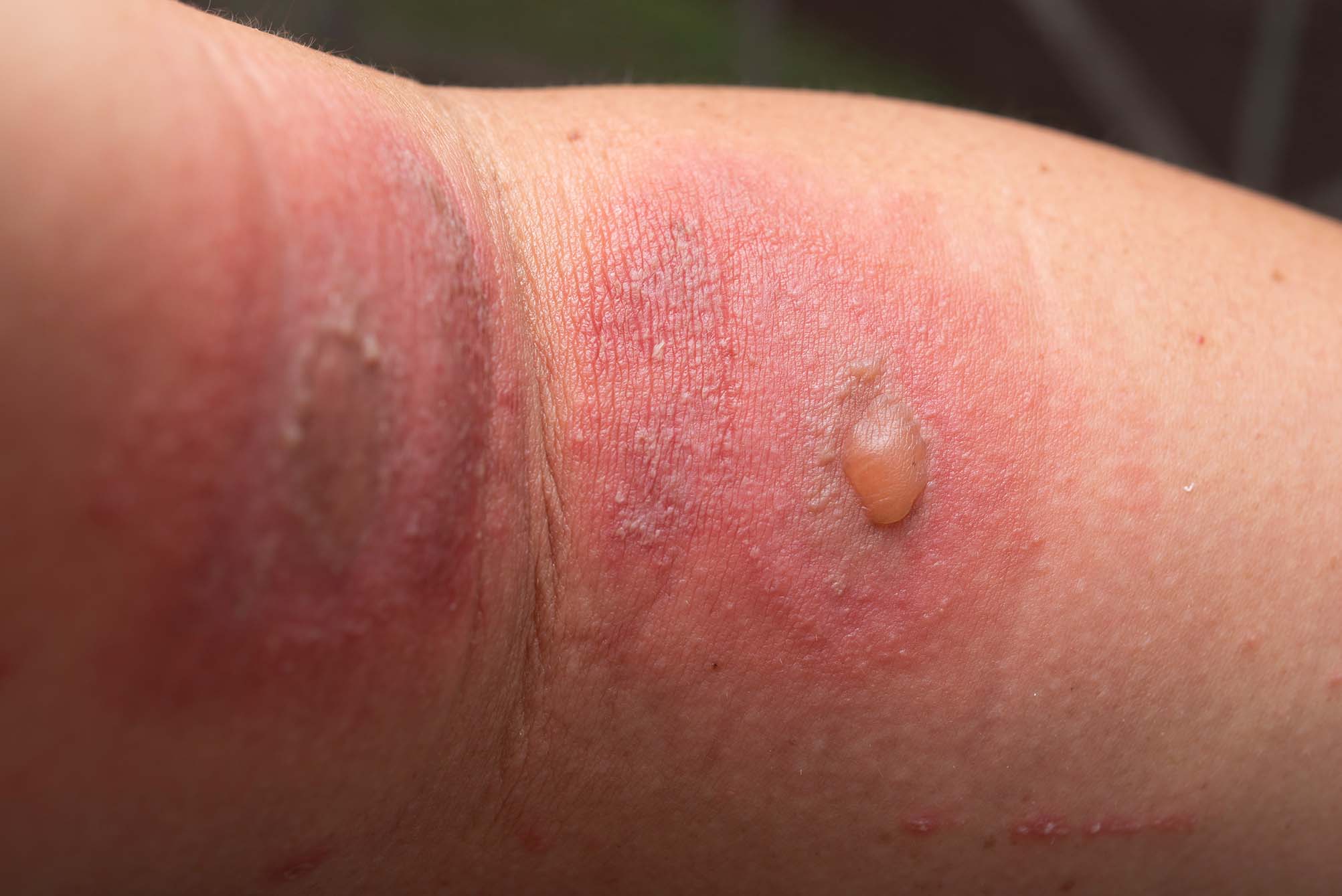
At first, you might not notice the toxin exposure immediately. Within a few hours, itching, burning, or redness begins to appear, and the affected area feels like a mild burn.
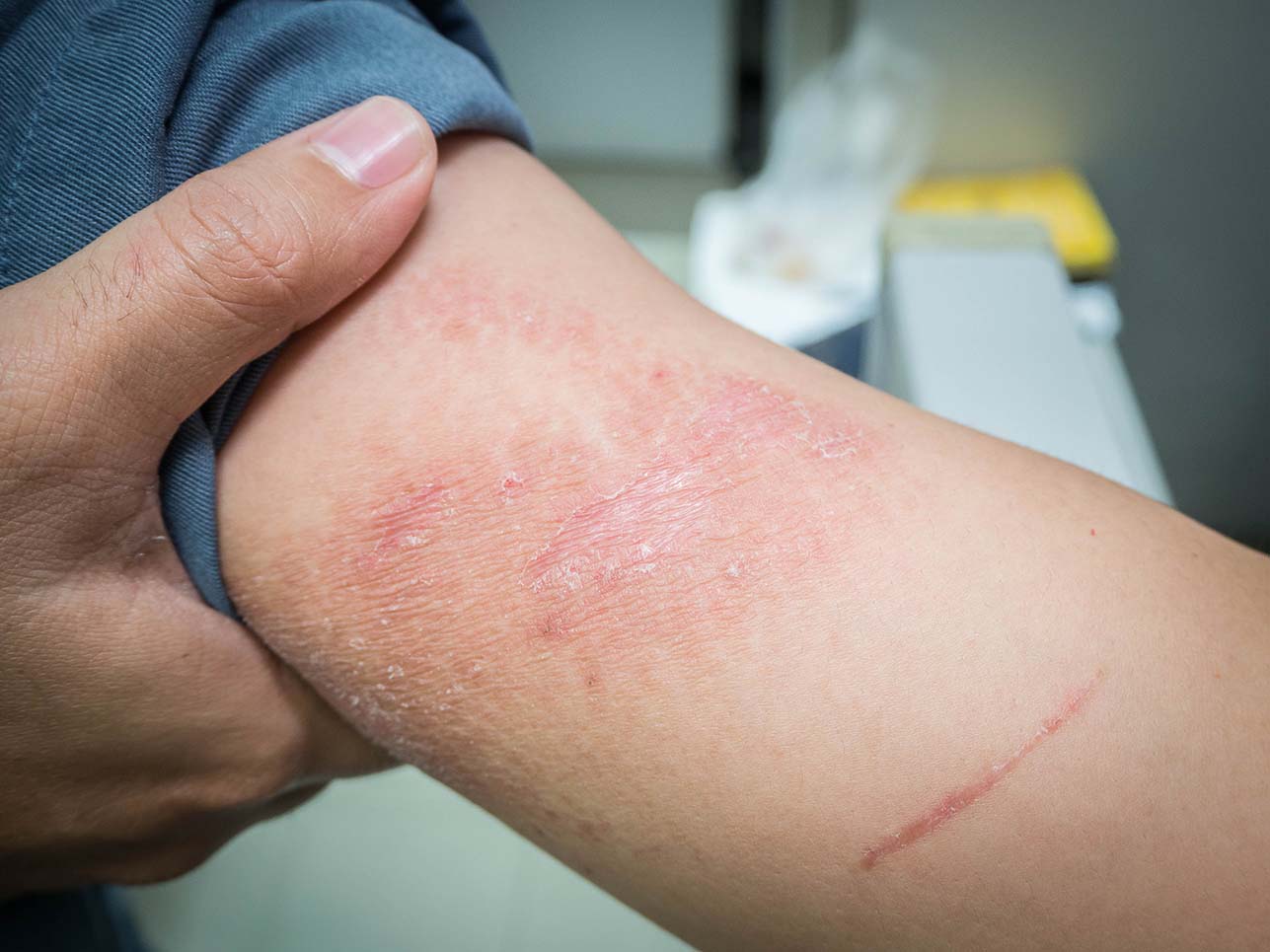
It commonly affects exposed areas like the face, arms, neck, or legs, and the pain may worsen as the nerves beneath the skin become inflamed. If untreated, the area can darken, dry, and peel within a few days.
Because the symptoms, especially fluid-filled blisters can be mistaken for shingles or allergic rashes, it’s important to get checked by a qualified doctor. Severe cases may lead to fever, nerve inflammation, eye irritation, or even joint pain, so prompt medical attention is essential.
Effective Treatment
Avoid applying random creams or alcohol-based products, as these can worsen the wound or cause infection.
- Instead, wash the affected area immediately with clean water and mild soap.
- Then, apply iodine solution or an antibiotic cream to prevent bacterial infection.
- In some cases, doctors may recommend steroid creams to reduce redness and irritation.
- With proper care, the skin usually heals within 7–10 days.
Prevention and Precaution Tips
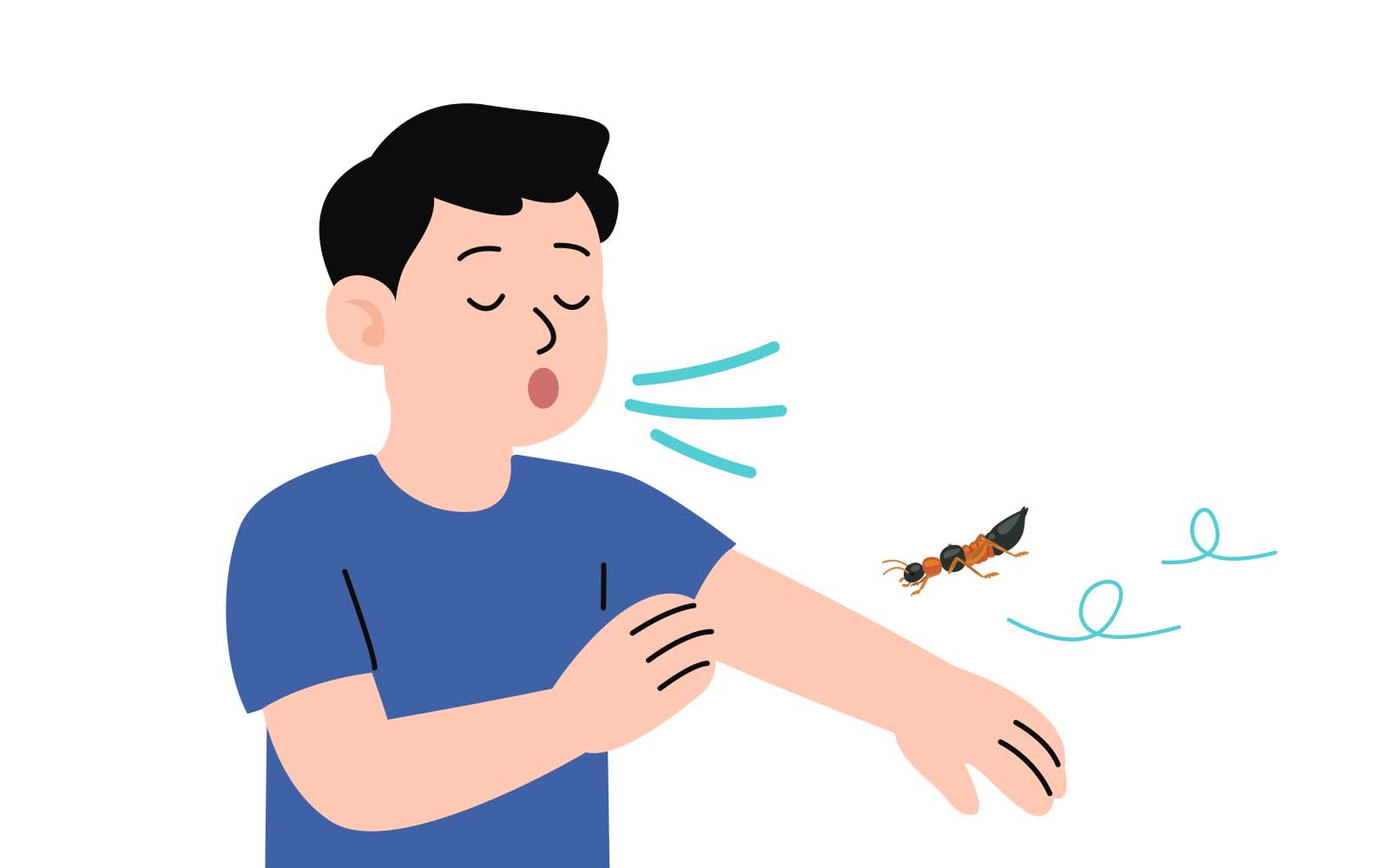
Do not touch, crush, or rub the insect on your skin, gently blow it away instead. If contact occurs, wash the area with soap and water immediately.
- Keep windows and doors closed at night or install nets to prevent insects from entering.
- Use insect screens or mosquito nets while sleeping.
- Regularly spray insect repellents and clean dark corners or damp areas where insects hide.
- Apply good-quality insect repellent to skin and clothing when needed.
If you suspect contact with a Rove Beetle, wash immediately, monitor for symptoms, and consult a doctor if redness or blisters appear. Early care prevents serious skin irritation and helps you stay safe during this insect-prone season.





Comments