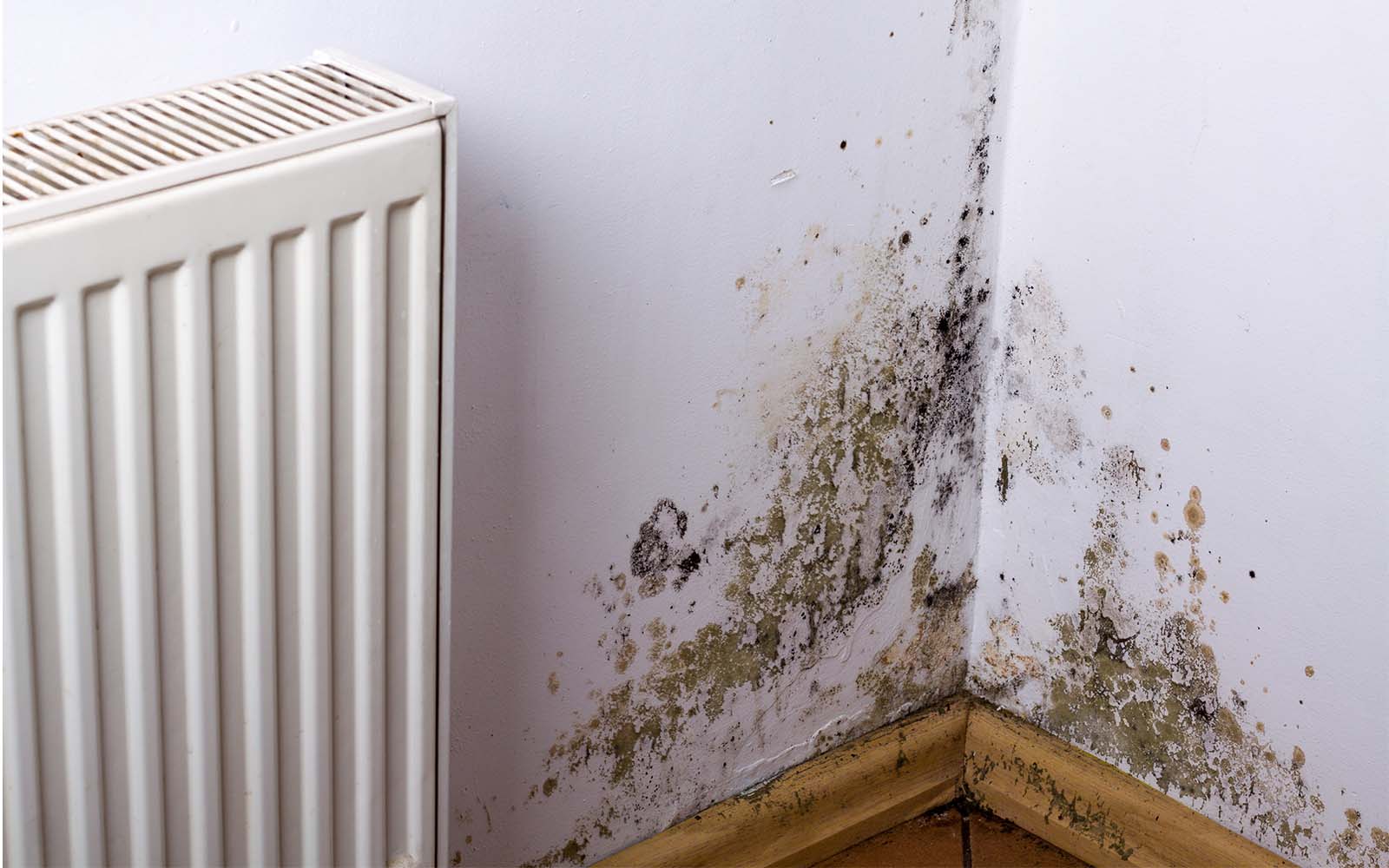
Due to the high humidity and moisture in the Southeast Asian climate, it’s normal to see plants and flowers looking lush, green, and fresh. However, behind this natural beauty lies a hidden risk, mold growth inside our homes when proper care is not taken. Mold often thrives under humid conditions, making our homes a prime target if we don’t stay cautious. Mold can start growing due to humid air, frequent rain, or high temperatures. Inside the home, factors like poor ventilation, leaking roofs or pipes, damp bathrooms and toilets, and clutter or garbage buildup can all create the perfect environment for mold to spread.
This doesn’t only affect the appearance or cleanliness of your home, it can also trigger allergies, cause skin irritation, and even lead to serious respiratory health problems. That’s why it’s important to know how to remove existing mold and prevent it from coming back.
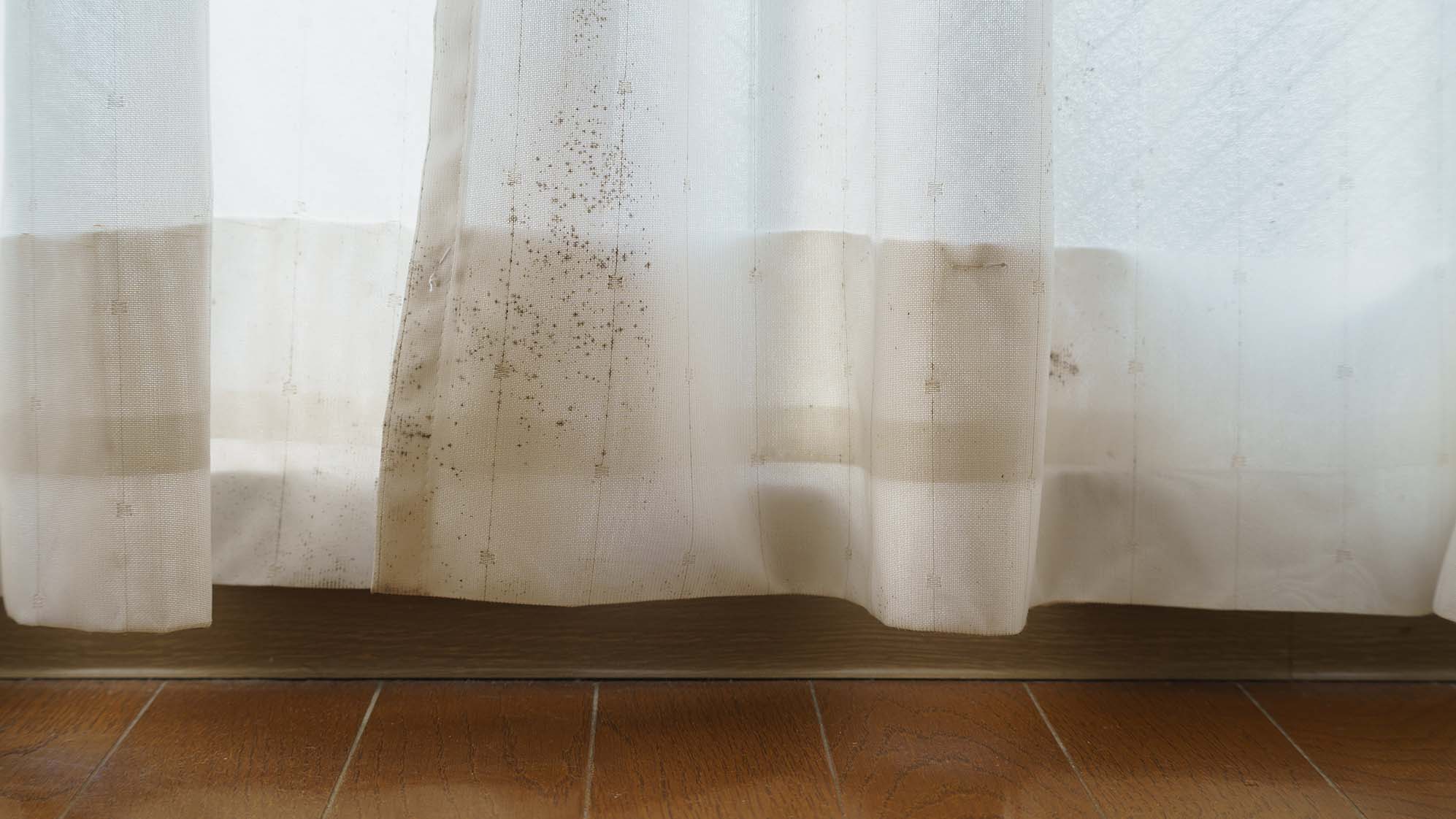
Signs Mold Has Already Started in Your Home
- Unpleasant odors lingering in the air or on furniture
- Dark or greenish spots on walls, ceilings, or around the house
- Discoloration of wooden furniture
- Condensation or dampness around windows and walls
Not only that, If you're constantly in a moldy environment or unknowingly using items exposed to mold,
- the first issues you might face are skin problems, dry and itchy skin, red spots, or rashes, along with early symptoms like itchy eyes, sneezing, and coughing.
- From there, more severe symptoms like body aches, fever, fatigue, and difficulty breathing can occur. It can even affect your immune system and nervous system.
- For those with respiratory conditions such as asthma, lung inflammation, or allergies, the harmful effects of mold can be even more intense, so it should not be taken lightly.
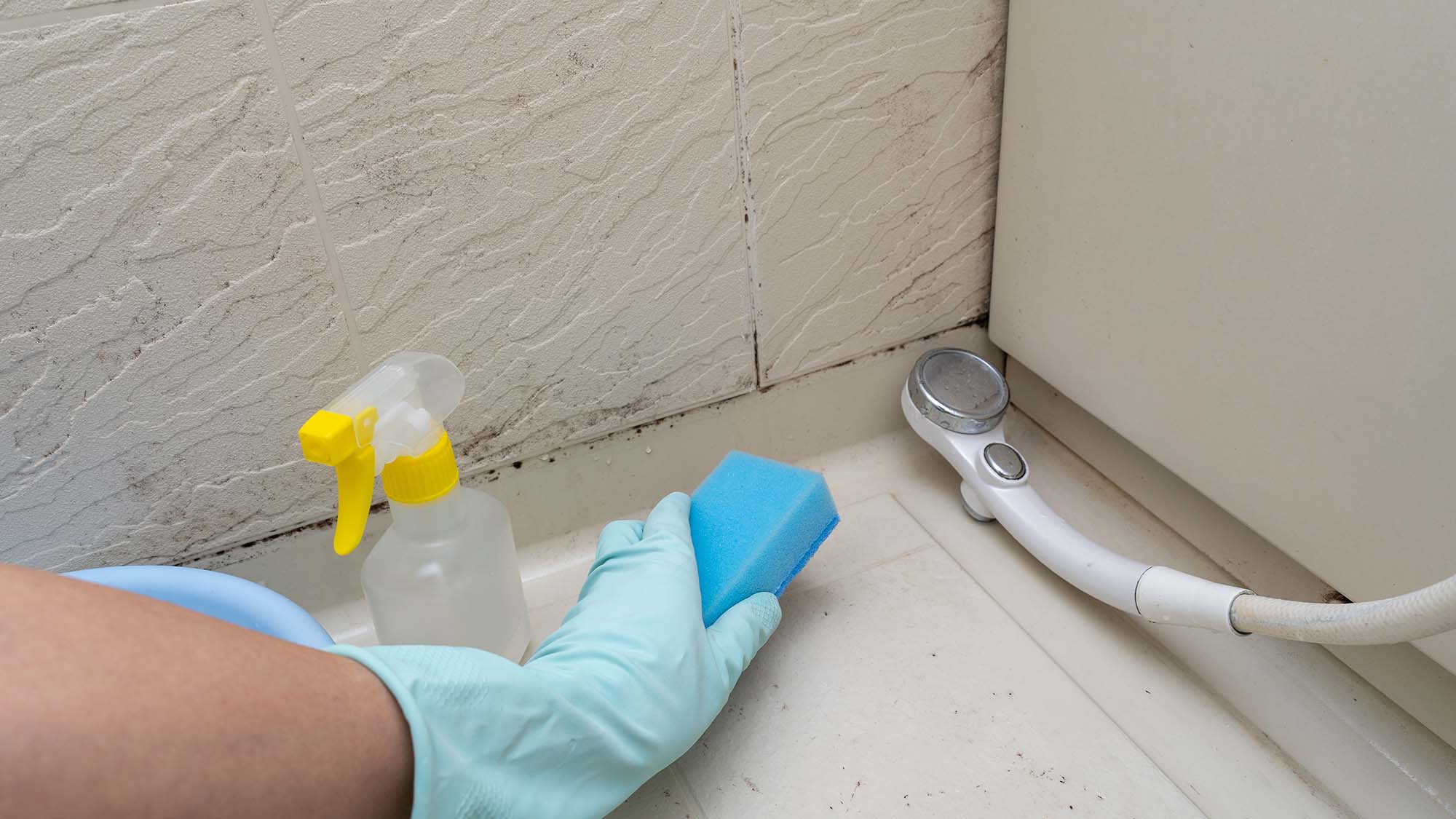
Effective Ways to Solve Mold Problems
1. Bleach and Baking Soda
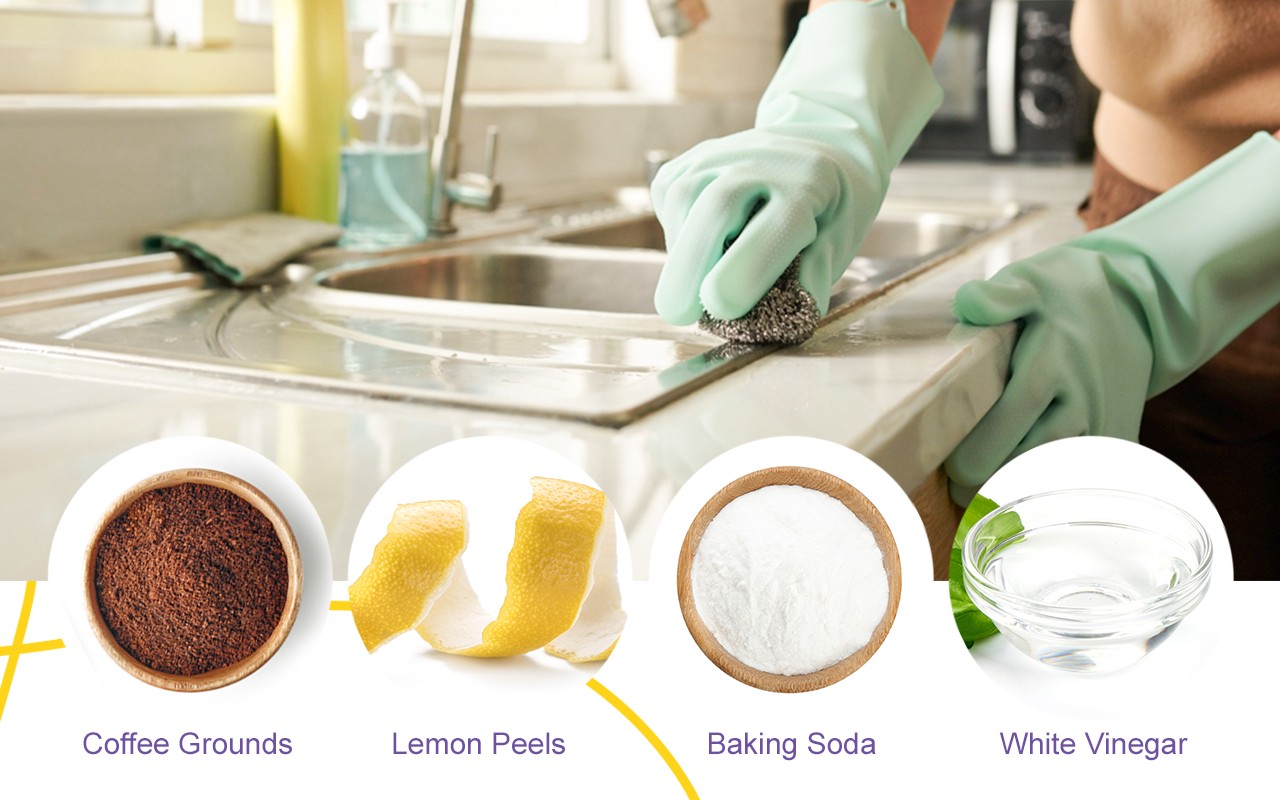
These are some of the most effective and natural solutions. White bleach can kill up to 82 types of mold. Spray it directly onto moldy areas, leave it for about an hour, and scrub clean. Baking soda mixed with water can also be sprayed to help absorb moisture and reduce mold growth.
2. Use a Dehumidifier
In humid environments, especially where sunlight is limited, a dehumidifier is extremely helpful. To prevent mold, indoor humidity should ideally be below 60%. A dehumidifier will help keep your indoor air dry, especially during the rainy season.
3. Ensure Proper Ventilation
Opening windows whenever possible is best. Install exhaust fans in kitchens, bathrooms, and toilets. If you use air conditioning frequently, make sure air vents are not blocked or dirty. Good airflow is essential for keeping walls and floors dry and mold-free.
4. Fix Leaks Promptly
Check for leaking pipes, ceiling drips, or wall seepage. Mold often begins in areas where moisture collects beneath walls or flooring, so early detection and repair are crucial.
5. Maintain Regular Cleaning
Avoid leaving cleaning cloths or mops lying around. Thoroughly wash and dry them after use. Pay close attention to cleaning often-wet areas like bathrooms and toilets regularly to prevent mold buildup.
Even if you follow a regular cleaning routine, if mold spots keep reappearing, the smell worsens, or your health is affected, it may be time to seek professional cleaning help for complete mold removal and restoration of a healthy living space.
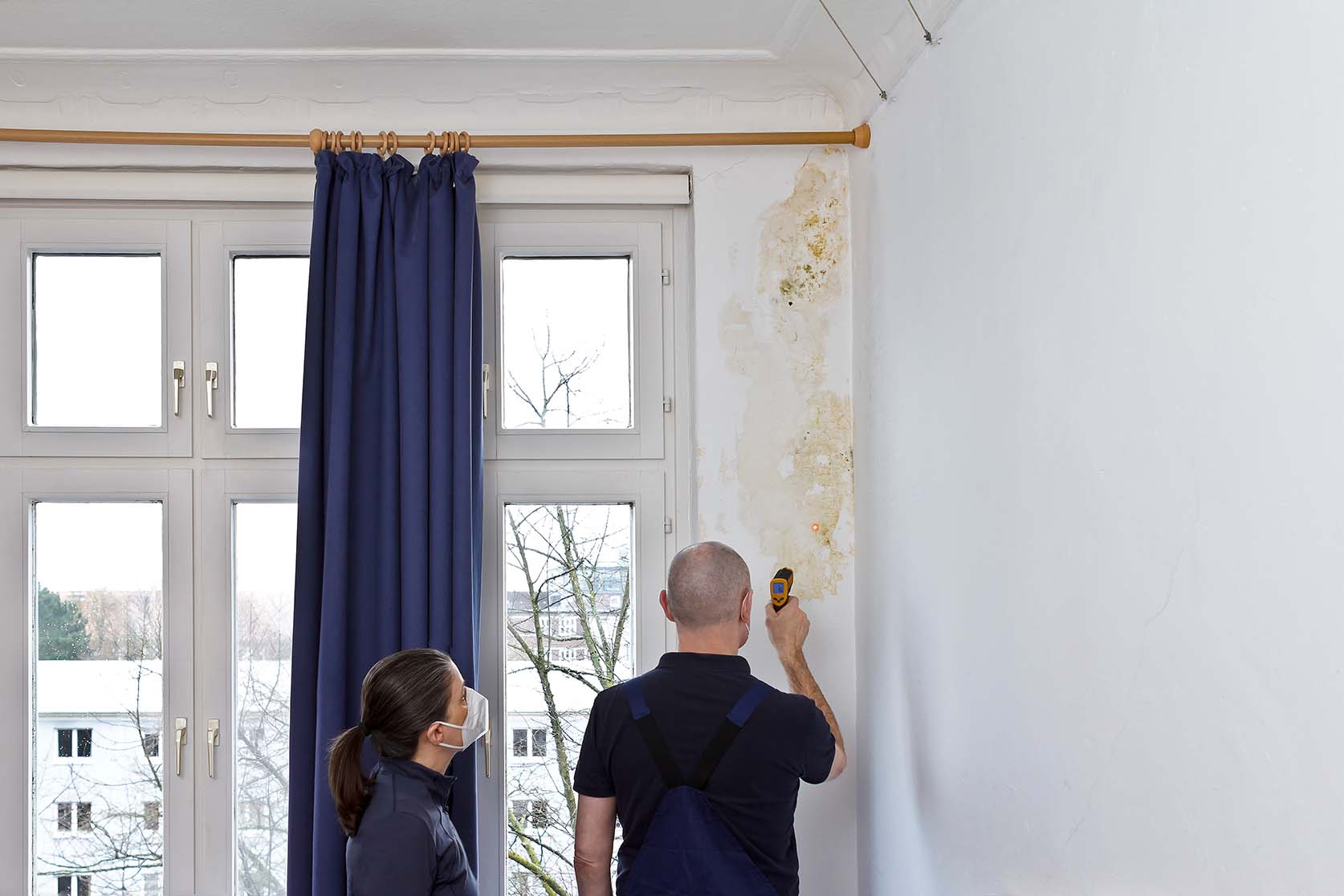
To Prevent Future Mold Issues
Repairing mold-damaged furniture, walls, and surfaces can be costly and difficult. That’s why prevention is key. Even if you’ve prepared well, during the rainy season, mold can still form from hidden moisture or small particles.
- So it’s advised to get rid of old books, clothes, shoes, or furniture that can attract mold. Avoid pushing furniture too close to the walls or clumping them together.
- Also, open windows while cooking, washing dishes, or cleaning, and ensure that bathrooms and toilets are left dry after use.
- During the rainy season especially, washing large loads of clothes and hanging them indoors can prevent them from drying properly and increase indoor humidity, something you’ll want to avoid.
If mold has started forming in your home, start with regular cleaning, reduce indoor humidity as much as possible, and improve ventilation. These steps can help protect your home and family from mold-related risks.



Comments