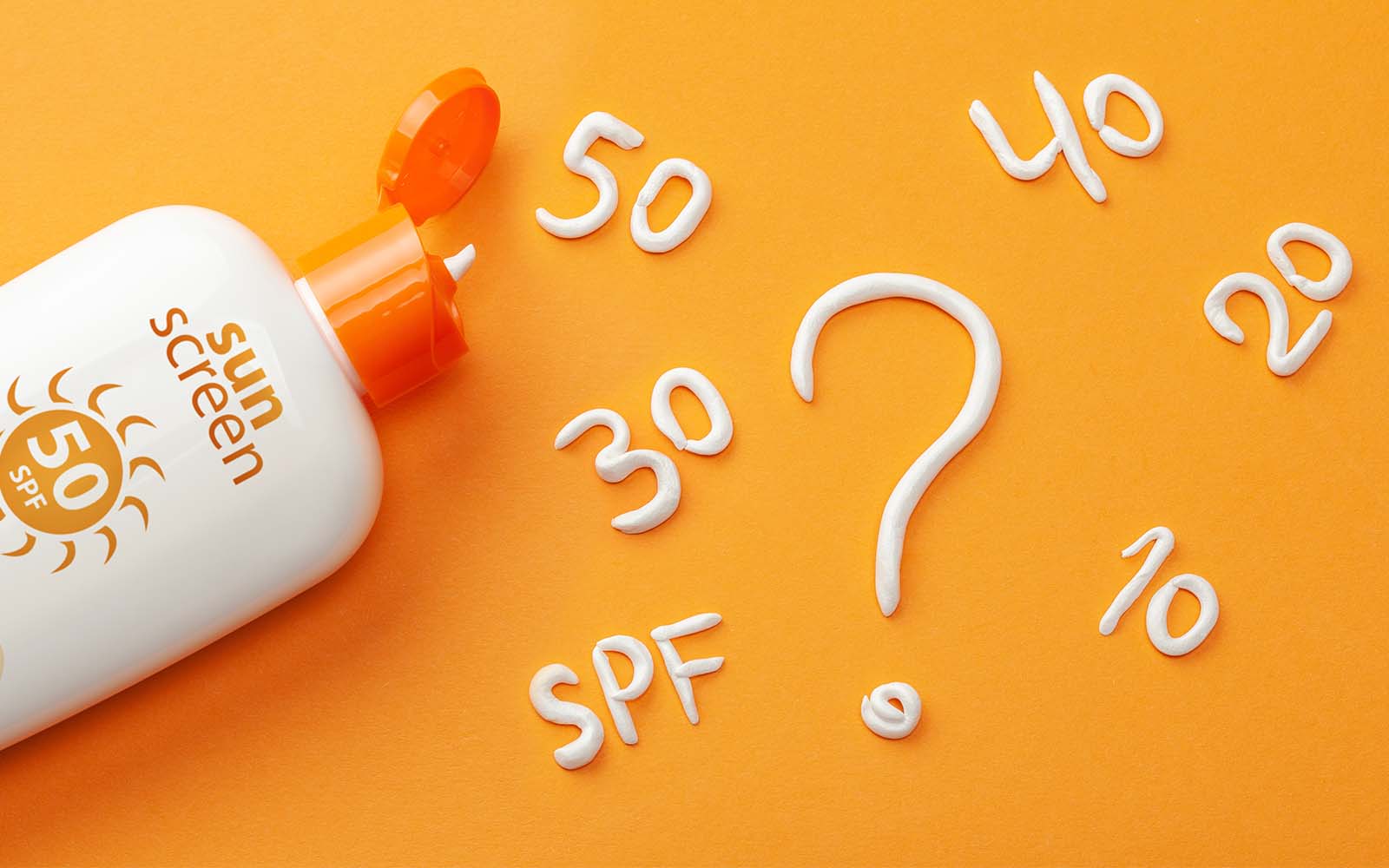
Each year, the heat seems to be getting more intense, and we’ve all felt the rising temperatures. Along with scorching sunlight, excessive UV rays and increased humidity can damage your skin and even affect your overall health. If you live in a tropical climate, work outdoors, or even stay indoors near windows, your skin is still exposed to harmful sun rays. That’s why wearing sunscreen isn’t just an option—it’s a necessity for everyone, regardless of age or lifestyle. With summer approaching, it's time to protect your skin and find the perfect sunscreen! In this article, we’ll break down why sunscreen is important, how to choose the right one, and how to use it effectively.
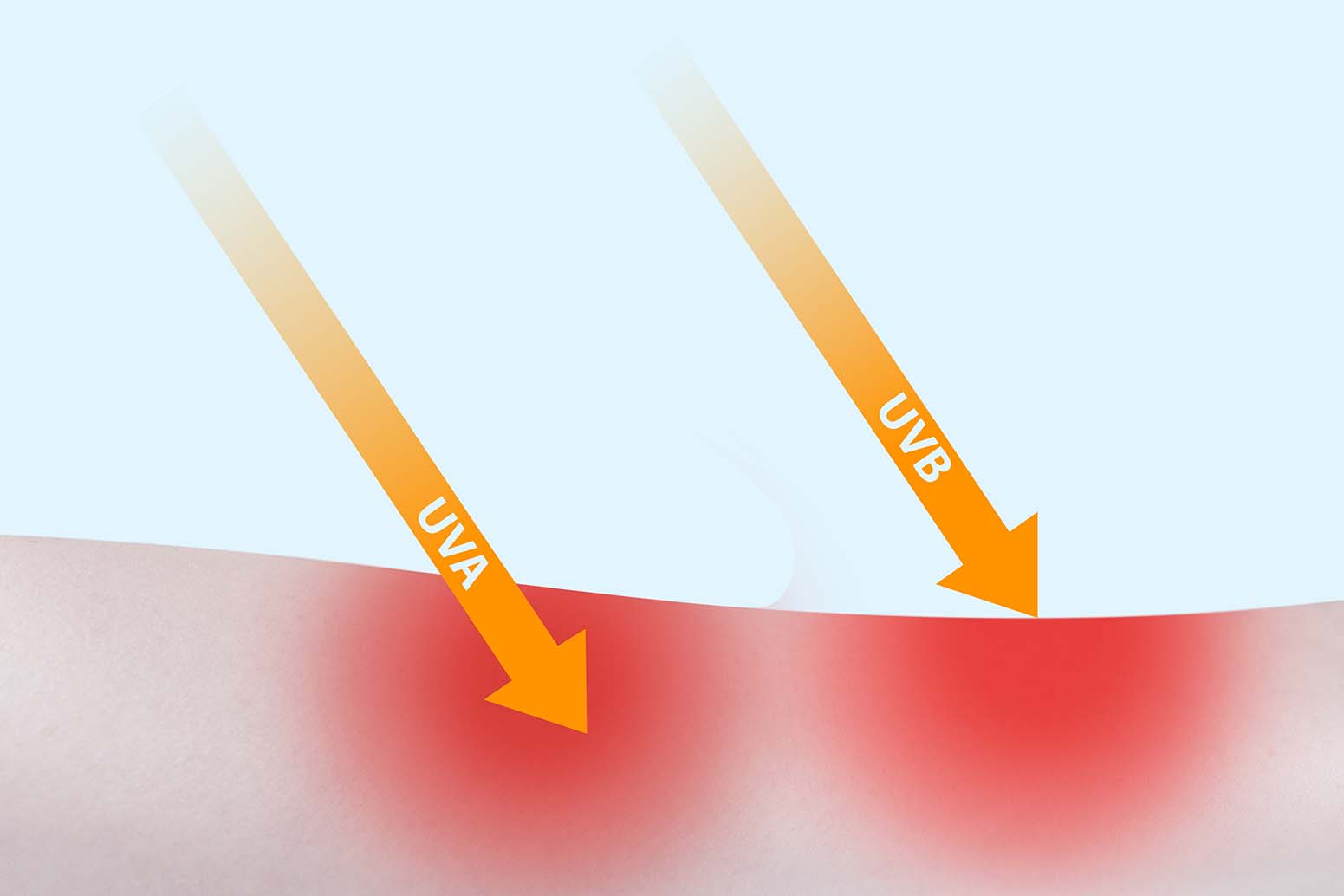
Types of UV rays
Myanmar experiences high UV exposure all year round, not just in summer. Without proper protection, the sun can cause skin burns, rashes, premature aging, dark spots, and even skin cancer. Choosing the right sunscreen is key to keeping your skin healthy.
There are two types of UV rays:
UVA rays penetrate deep into the skin, causing wrinkles, dark spots, and premature aging. To protect against UVA, choose sunscreens with PA+ to PA+++ ratings. The more “+” signs, the better the protection.
UVB rays are responsible for sunburns and can cause serious skin damage. Look for SPF 30+ or higher to block UVB rays and keep your skin safe.

Types of Sunscreens & How to Choose the Right One
Not all sunscreens are the same! Here are different types to consider:
Chemical Sunscreens - This type of sunscreen is lightweight and perfect for daily use. It absorbs UV rays and converts them into heat, which is then released from the skin. Ideal for those living in hot and humid climates, chemical sunscreens are non-greasy and won’t leave your skin feeling oily. If you’re looking to buy a chemical sunscreen, opt for ones containing avobenzone, oxybenzone, or octinoxate.
Physical Sunscreens - Physical sunscreens work by reflecting UV rays away from the skin. They are less likely to clog pores, making them a great choice for those with sensitive skin. When choosing a physical sunscreen, look for products containing zinc oxide or titanium dioxide.
Hybrid Sunscreens - Hybrid sunscreens combine the benefits of both chemical and physical sunscreens, offering broad-spectrum protection against the sun’s harmful rays. They are lightweight, hydrating, and perfect for those who want the best of both worlds.
Water-Resistant Sunscreens - While not as commonly used in this region, water-resistant sunscreens are ideal for those who spend a lot of time in water or sweat heavily. They are perfect for beachgoers and outdoor enthusiasts, especially in humid climates.

How to Apply Sunscreen Properly
Once you’ve found the perfect sunscreen (SPF 30+ and PA+++ recommended), the key is consistent use!
- Apply sunscreen every day, even if you’re staying indoors.
- Reapply every 2-3 hours, especially if you’re sweating or exposed to direct sunlight.
- The sun’s rays are strongest between 10 AM and 4 PM, so try to stay in the shade when possible.
- Don’t forget to apply sunscreen to your face, neck, arms, and legs for full protection.
- Pair sunscreen with light clothing, hats, and sunglasses for extra defense.
Whether you're young or old, staying hydrated and taking care of your skin is extra important in the summer. Now that you know about UV rays and how to pick the right sunscreen, you can enjoy the sunshine while keeping your skin healthy all year long!





Comments