
Most Asian cuisines, including Burmese food, rely on high heat for frying and sautéing. Consequently, cooking odors and smoke are a daily reality in almost every kitchen. While many modern apartments and homes are equipped with exhaust systems or specialized ventilation, space constraints and costs mean not everyone has access to high-end equipment. While we might only spend a short time cooking, the resulting smoke and cooking smells, can linger for hours. Beyond being a nuisance, consistent exposure to kitchen smoke can negatively impact your long-term health.
To help you maintain a healthy home environment, we’ve gathered some effective tips for cooking with minimal smoke and maximum flavor.
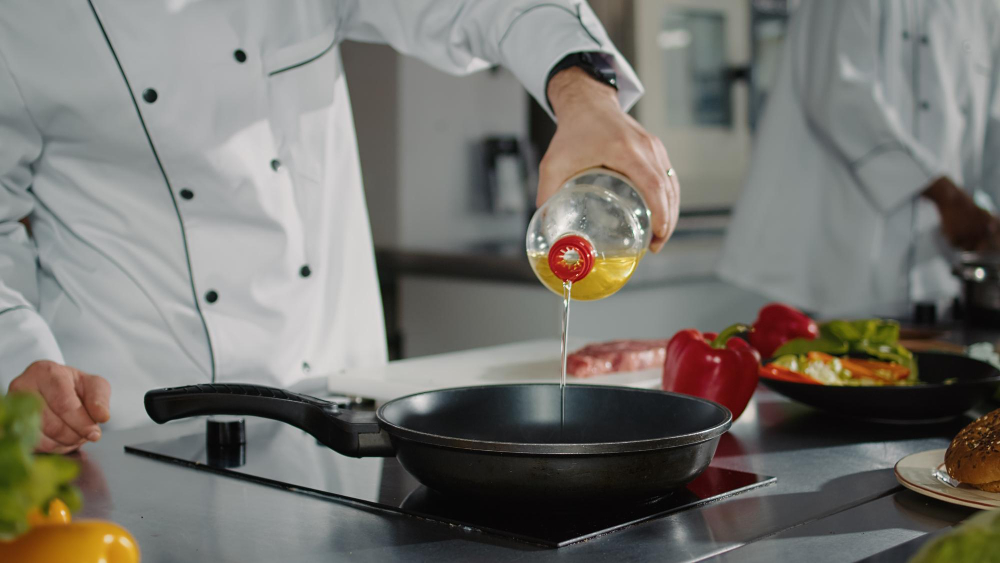
1. Choose the Right Cooking Oil
One of the primary causes of excessive smoke is using oils that aren't suited for high temperatures. For example, butter or Extra Virgin Olive Oil have low smoke points and will start burning even at moderate heat. If you are stir-frying or deep-frying at high temperatures, Peanut Oil is an excellent choice as it is heat-stable. Alternatively, refined Palm Oil or other high-heat-resistant vegetable oils are better suited for the task.
2. Keep Your Ingredients Dry
When moisture from food hits hot oil, it causes the oil to aerosolize, creating a mix of steam and oil mist that fills the air with smoke and smell. This often happens when we rush and toss frozen meat straight into the pan or reheat greasy foods.
Pro-tip: Before cooking, use a paper towel to pat your meat and vegetables dry. This simple step ensures your food sears perfectly without creating a smoke-filled kitchen, preserving the natural taste of your ingredients.
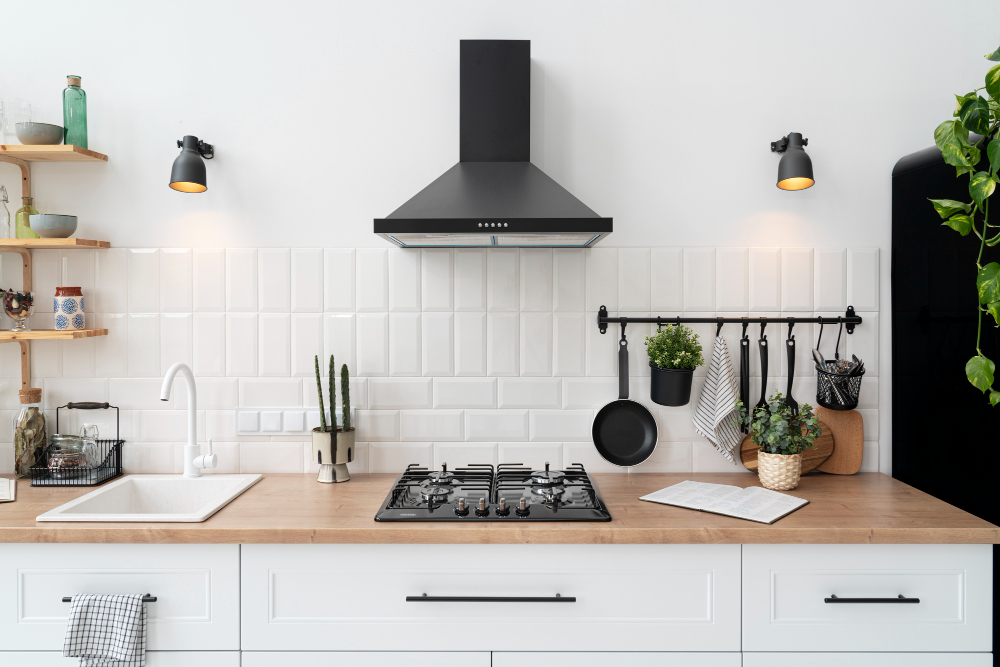
3. Pre-activate Your Ventilation
Many people wait until the kitchen is already full of smoke before turning on the exhaust fan. Instead, try turning on your fan or opening windows about 5 minutes before you start cooking. This establishes a clear airflow through the kitchen. When the smoke and smells do start to rise, the system is already primed to suck them out immediately.
4. Manage Your Pan Temperature
While different cookware heats up at different rates, you should avoid leaving an empty pan on high heat for too long before adding your food. Doing so often causes the oil to burn instantly, creating thick smoke. As soon as the oil looks shimmering, begin adding your ingredients one by one.
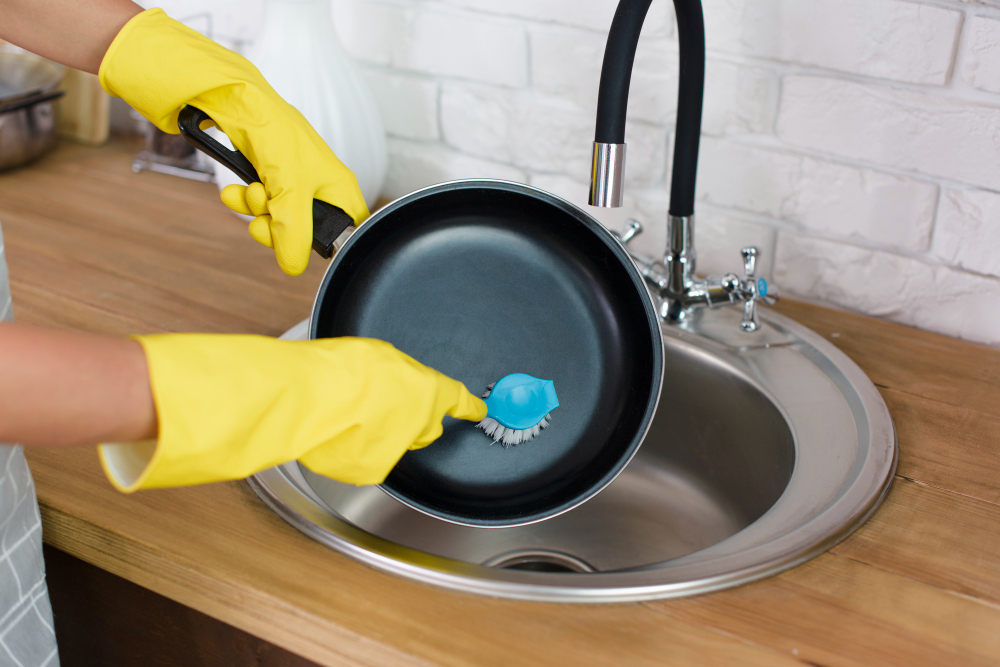
5. Keep the Bottom of Your Pan Clean
Residue from previous meals or burnt bits stuck to the bottom of the pan can burn further when reheated, contributing significantly to smoke and acrid smells. If you notice things starting to stick or char during cooking, add a small splash of water or broth (deglazing). This prevents sticking and keeps smoke levels under control.
Maintenance Tip: If you use an exhaust hood, ensure you clean the grease filters at least once a month. Clogged filters are much less efficient at capturing odors.
By following these simple steps, you can create delicious, flavorful meals in a clean and healthy environment. Let your kitchen be a place of joy and health for your entire family, free from the discomfort of lingering smoke!




Comments