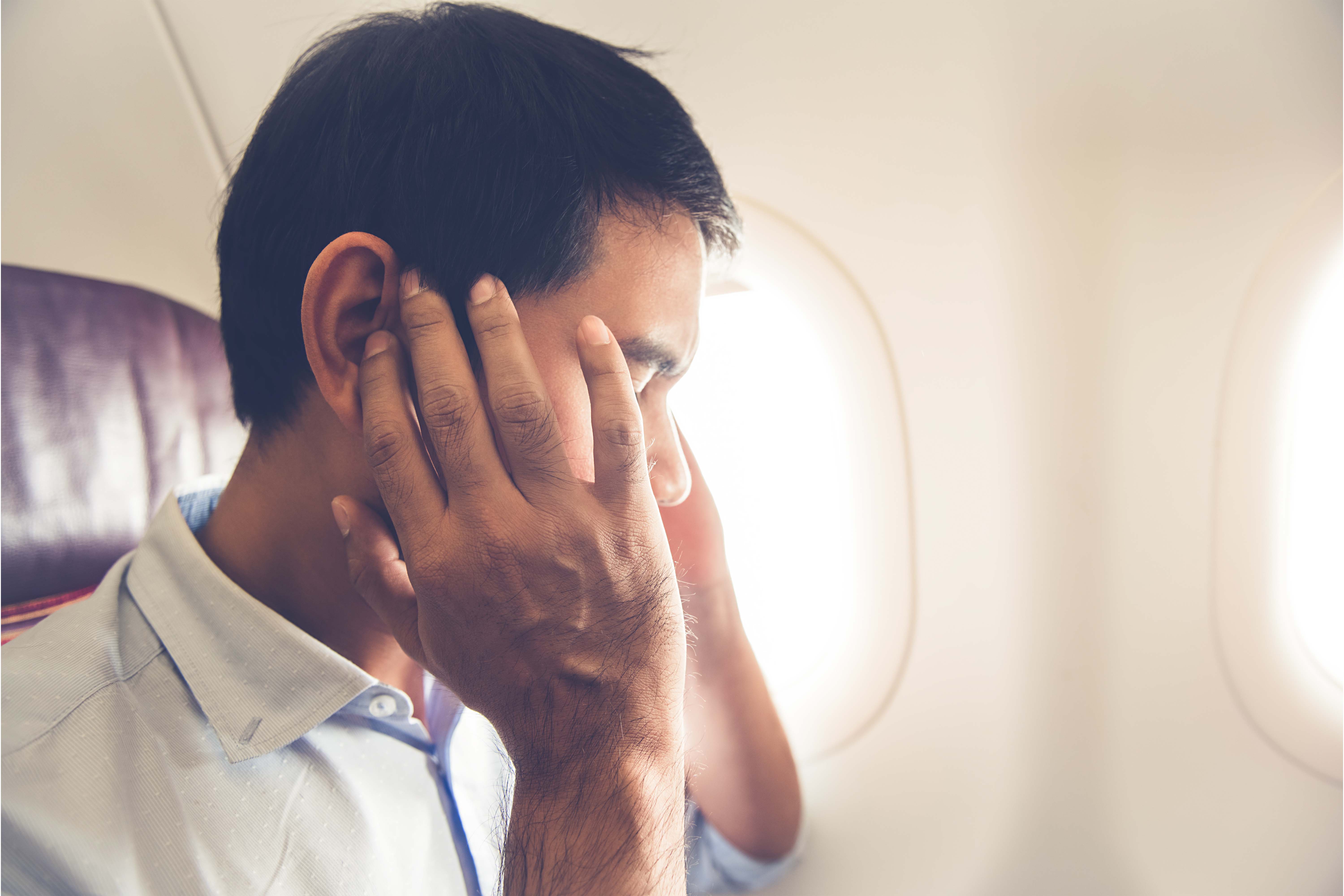
Whether you’re traveling by car or plane, many of us have experienced that annoying ear-popping, ear-blocking sensation that makes the journey uncomfortable. It’s not something that only happens on long-distance trips — even when you're just moving from one place to another within the same city by car, bus, or train, you might suddenly feel your ears blocked or experience motion sickness. So, it’s a common problem that shouldn’t be overlooked.
For people who often travel between highland and lowland areas, ear pressure discomfort might be a usual thing. But for occasional travelers, it can be quite bothersome. This usually happens when there’s a sudden change in air pressure, causing a difference between the outside air pressure and the pressure inside your ears, leading to what’s called ear barotrauma or ear pressure imbalance. Factors like warm, humid weather or polluted air can also contribute to this issue. So, if you start feeling that ear-popping or blocked-ear sensation during your travels, here are some simple ways to ease it:
Why Does It Happen?
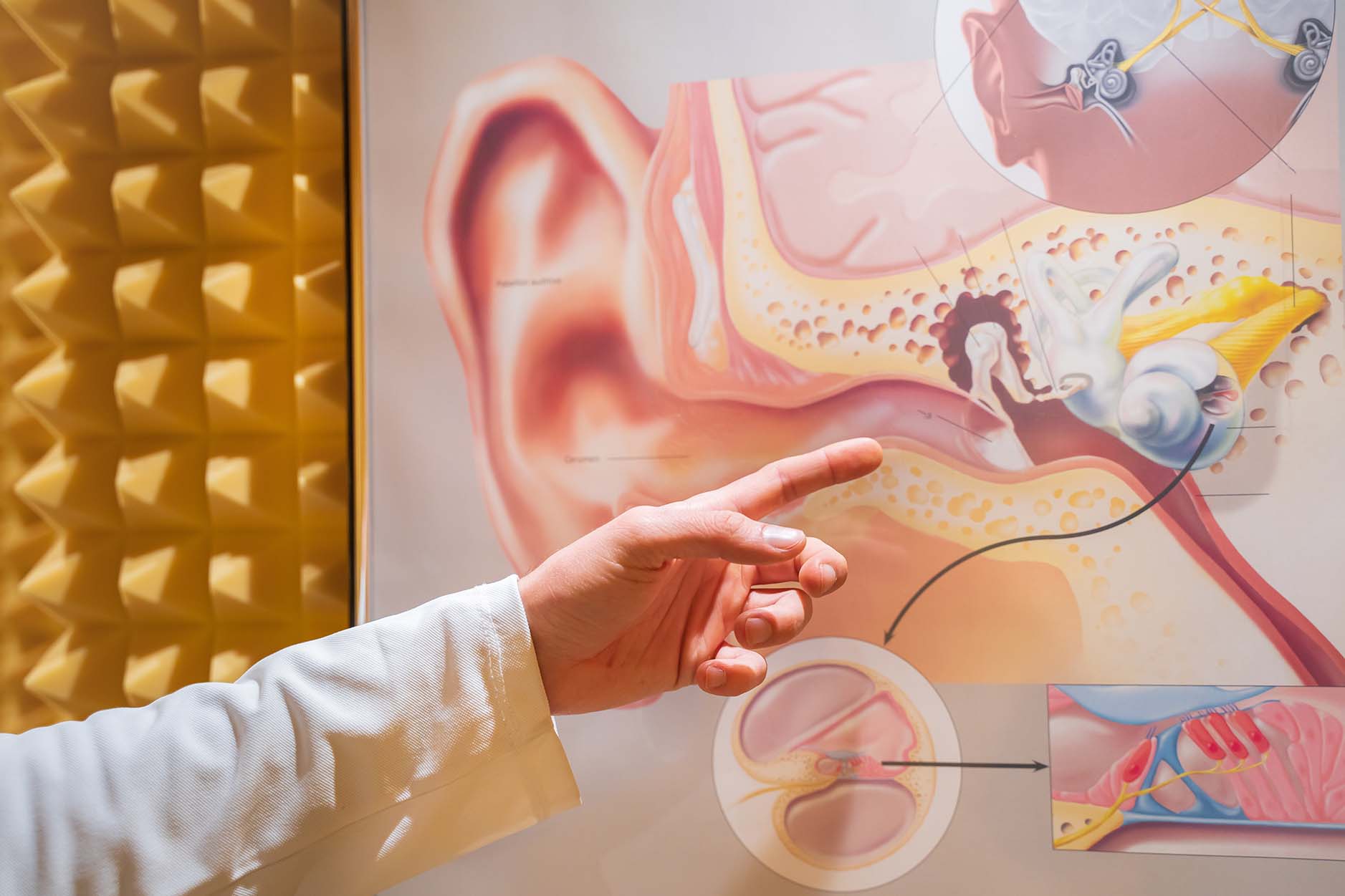
This discomfort is mostly caused by the change in air pressure, especially during a plane’s takeoff and landing or when traveling through mountainous areas. When this happens, the narrow passage connecting your middle ear and throat, called the Eustachian tube, struggles to balance the air pressure between your inner ear and the outside environment. That’s when you feel your ears blocked or ringing.
It can also happen when you go up or down an elevator in a tall building or when you dive deep underwater — the sudden change in pressure can trigger this discomfort. Luckily, it’s usually temporary and will go away once the pressure stabilizes. However, during the moment, it can feel uncomfortable, and in some cases, even painful or dizzy.
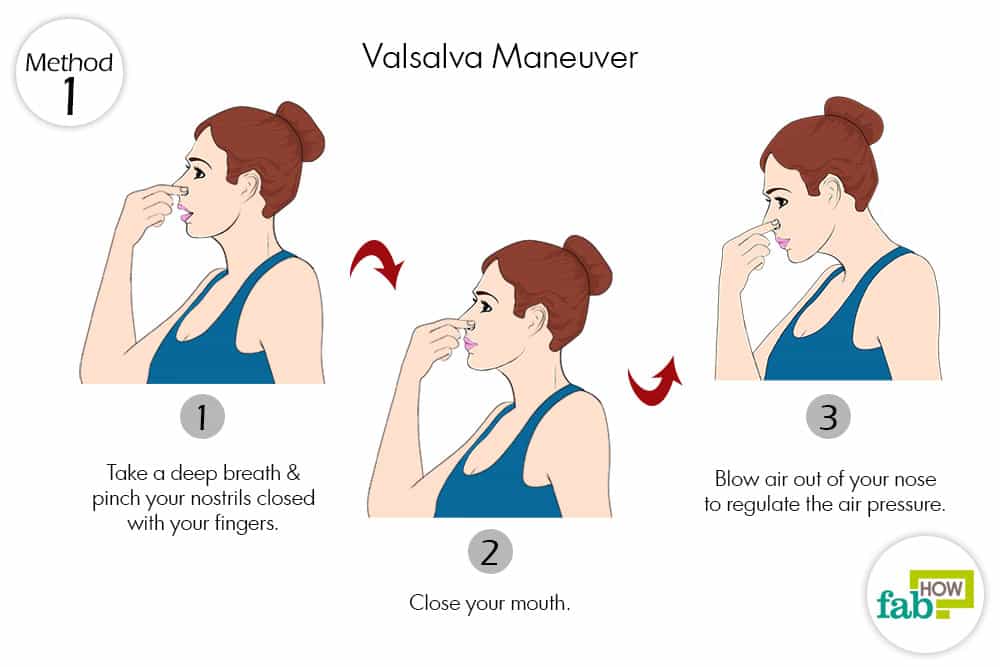 Image Credit to Mungfali.com
Easy Ways to Relieve It
The simplest way to manage ear pressure is to take small sips of water, chew gum, or swallow something during takeoff or landing. These actions help open the Eustachian tubes and balance the air pressure in your ears.
If that’s not enough, you can try these breathing techniques:
Valsalva Maneuver – Pinch your nose, close your mouth, and gently blow air as if you’re trying to blow your nose. This helps open up the Eustachian tubes and balance the pressure.
Toynbee Maneuver – Pinch your nose and swallow at the same time. This can also help clear the pressure in your ears.
You can also use earplugs designed for air travel or suck on candy during the trip. Kids are just as prone to this, so encouraging them to drink something or chew on snacks can help prevent ear discomfort. If you’re swimming or diving, the same technique applies — make sure to adjust your ear pressure before diving deep and use proper safety measures to prevent discomfort.
No matter how small it may seem, it’s always best to prepare for these little health annoyances before traveling, so your trip can be smooth and enjoyable. And if your ear discomfort doesn’t go away or becomes severe, it’s important to consult a doctor before your next trip.





Comments