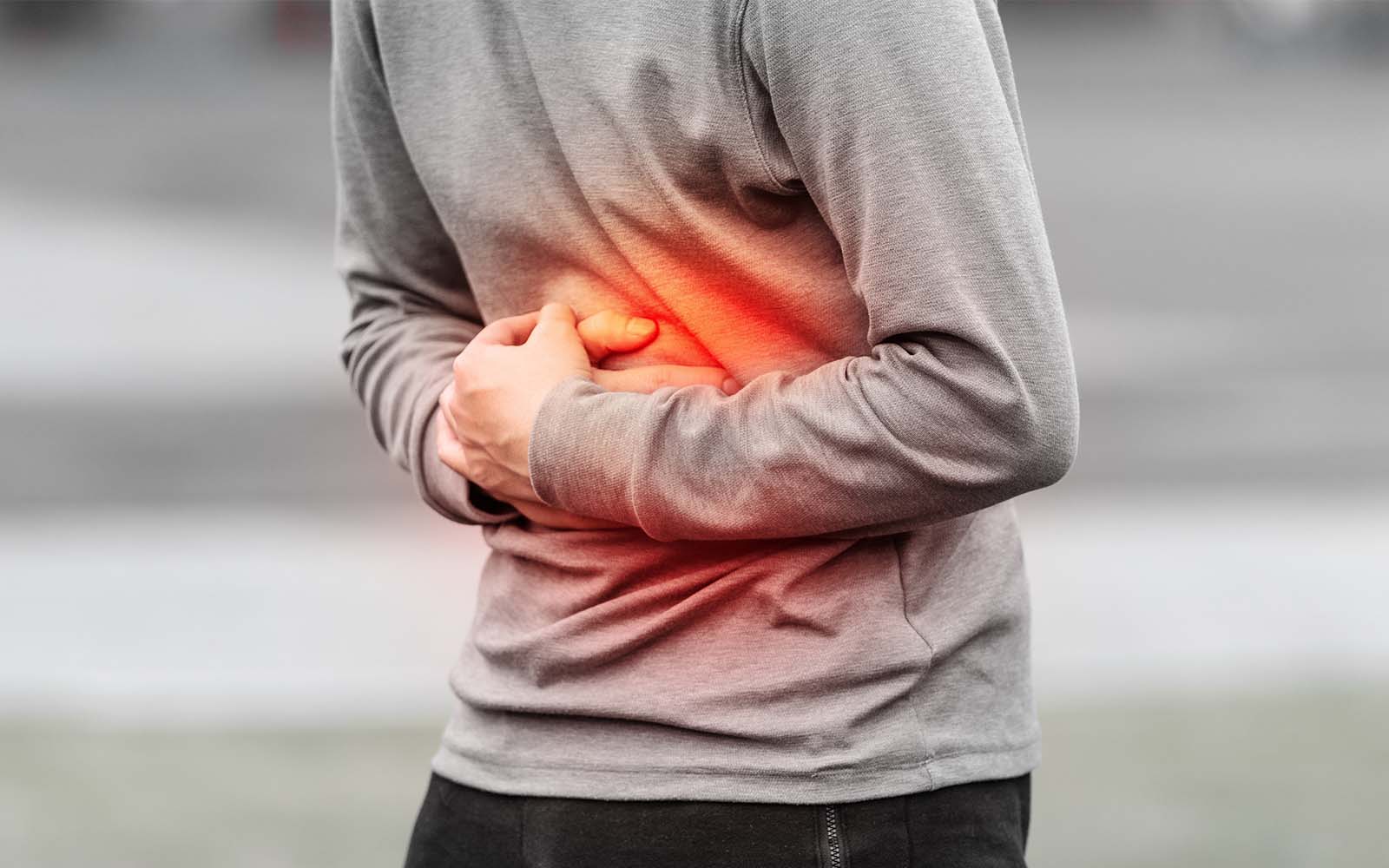
Even when we eat clean and healthy food, there are times when we still feel bloated, full, or experience stomach discomfort. These digestive upsets can happen anytime and are often triggered by seasonal temperature changes, whether it’s too hot or too cold. As our body reacts to these shifts, our digestive system can slow down, making it important to adjust our diet and habits to the weather.
In this article, let’s explore why stomach problems are more common during seasonal transitions, and how to prevent and relieve them naturally.
Why It Happens & What It Feels Like
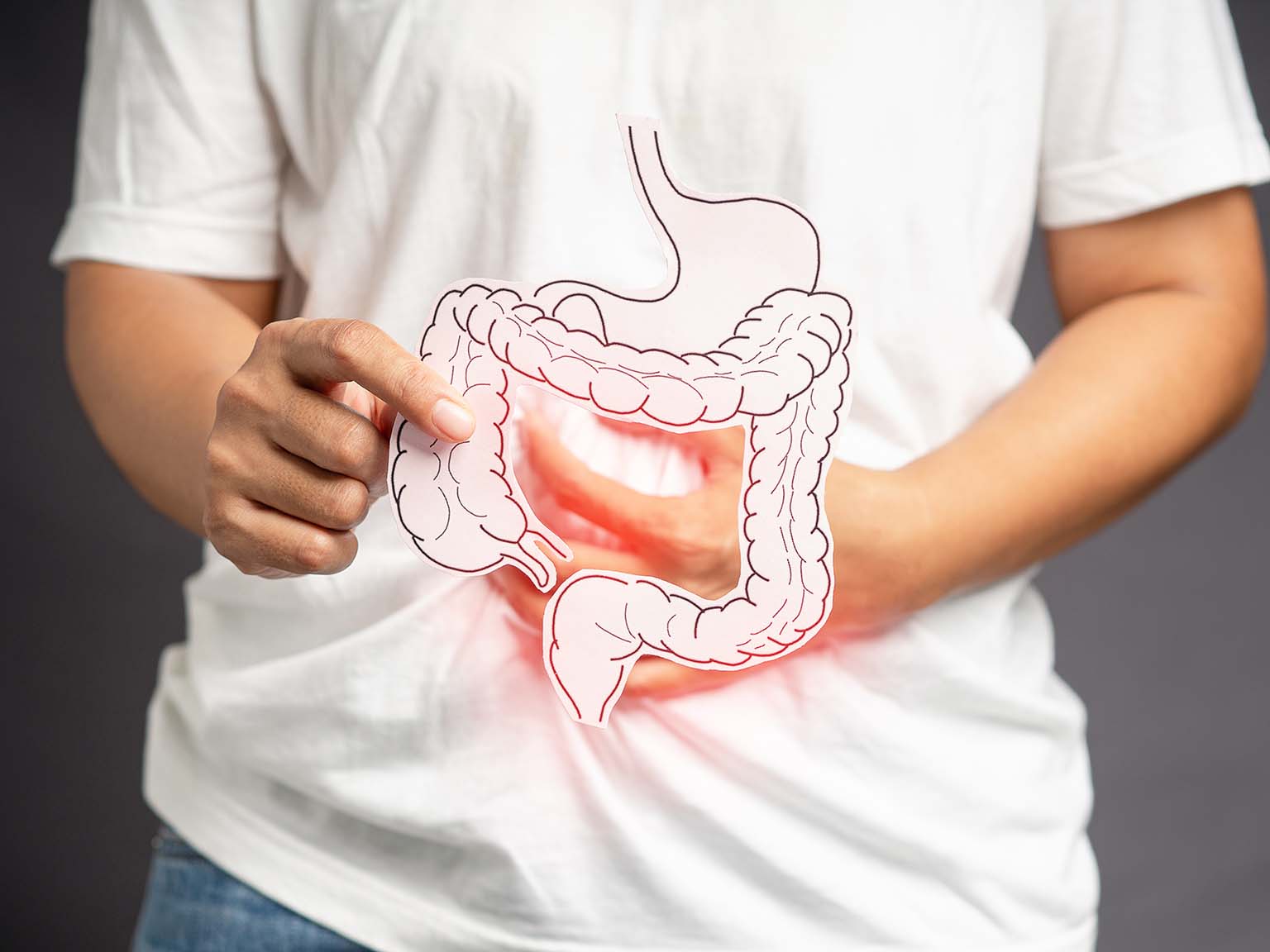
When the temperature starts to drop, especially around the monsoon-to-winter transition, the body works to regulate its core warmth. To do that, blood flow is directed toward vital internal organs, which can reduce circulation in the digestive tract. As a result, digestion becomes slower.
There’s also a nerve connection between the brain and the gut called the vagus nerve. When sudden temperature changes occur, this nerve can become overstimulated, leading to symptoms such as bloating, stomach pain, heartburn, gas, or irregular bowel movements.
How to Prevent and Relieve Digestive Discomfort
The best way to maintain a healthy stomach during cold or changing weather is to keep your body’s temperature balanced and eat in tune with the season.
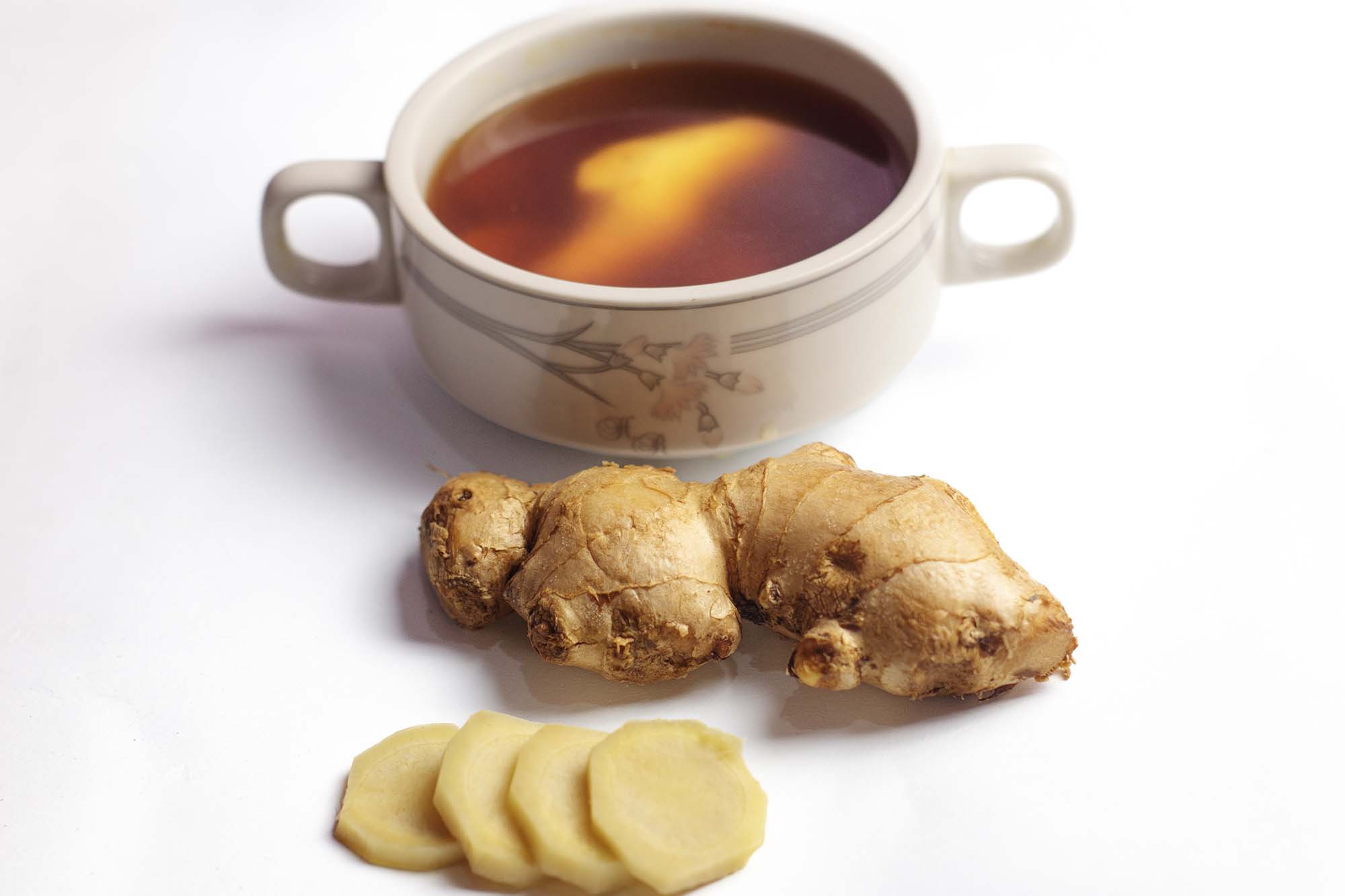
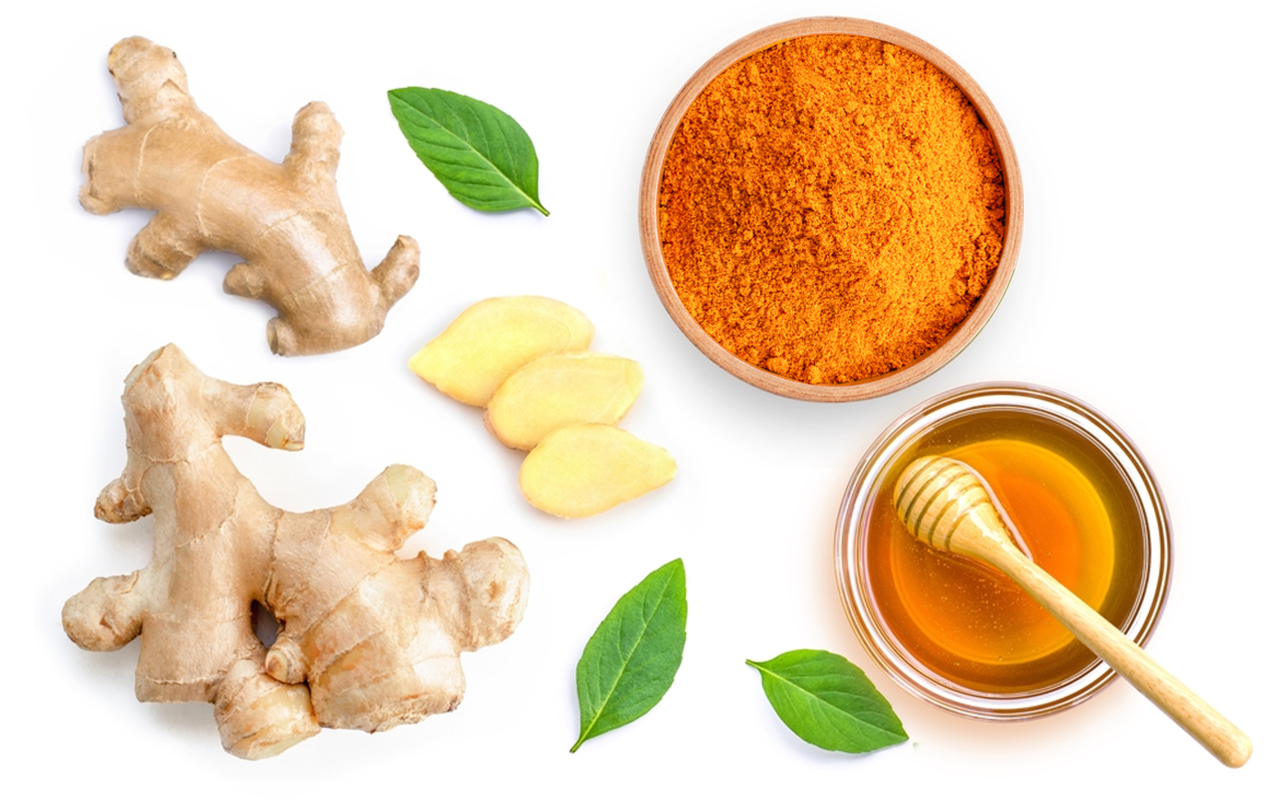
Drink warm water or ginger tea regularly to keep your body warm and support smooth digestion. Avoid cold drinks, which can weaken the digestive system.
Ginger acts as a natural digestive aid, a small amount daily or after meals can help reduce bloating and indigestion.
Smart Eating and Living Habits
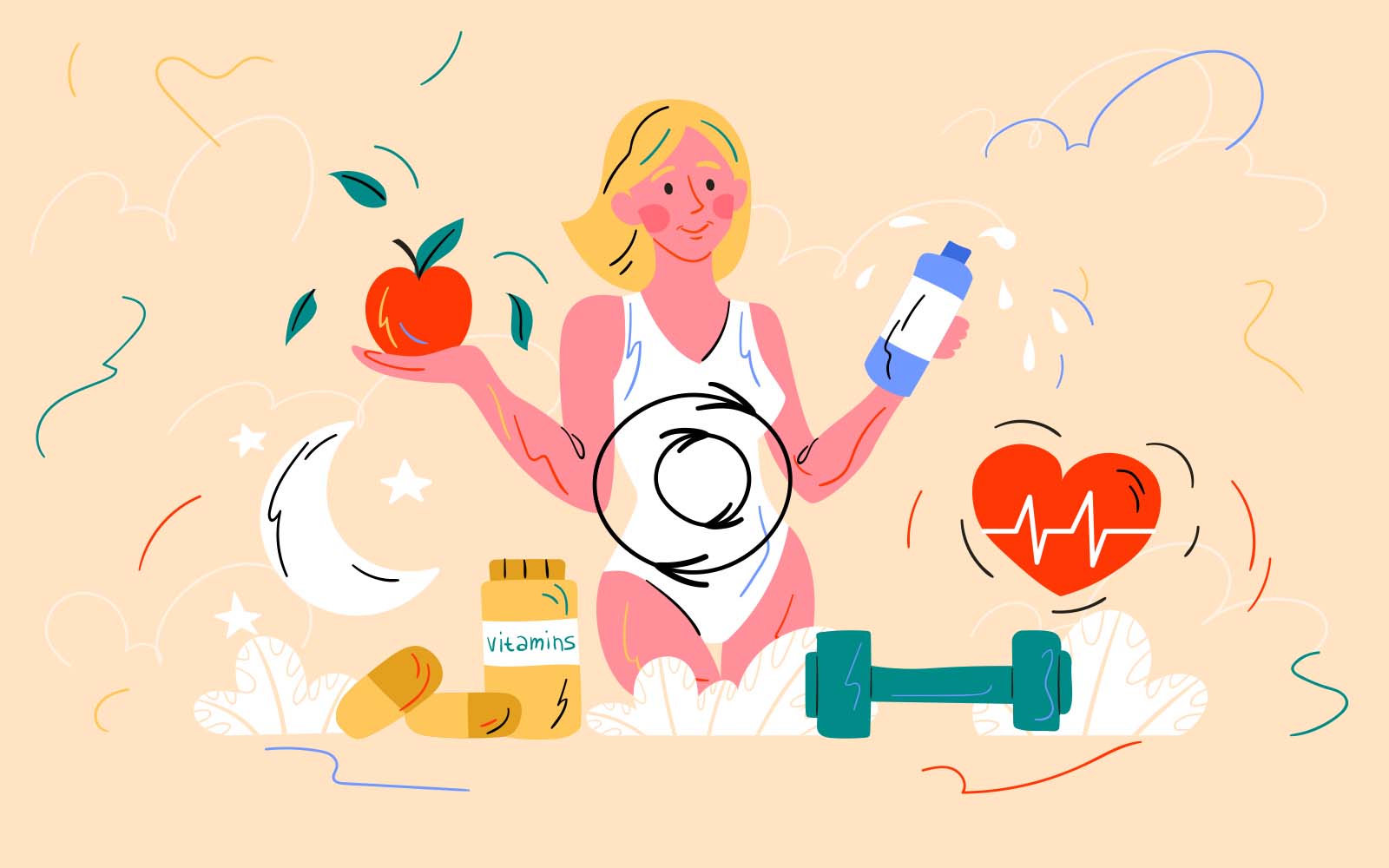
When your stomach feels uneasy, it’s best to avoid raw salads, sashimi, or oily foods, as these can be harder to digest during cooler weather.
Instead of eating large meals at once, eat smaller portions more frequently, this helps your digestive system process food without strain.
Try not to stay sedentary for long periods; gentle movements such as walking or light stretching after meals can support healthy digestion.
And when it’s chilly, remember to keep your stomach area warm, layer your clothing or use a blanket to protect against cold air that can trigger stomach cramps.

When to See a Doctor
If you experience severe or prolonged pain, black stools, vomiting blood, fever, or unexplained weight loss, it’s important to see a doctor immediately. These symptoms could indicate more serious digestive conditions that require professional care.
As the weather turns cooler, our metabolism naturally slows down, making it easier for digestive issues to appear. By being mindful of what you eat and keeping your body warm, you can stay healthy and enjoy cozy, happy days with your loved ones this season.




Comments