
While seasonal allergies, particularly pollen allergies, are generally not life-threatening, they can be a significant health issue that causes considerable daily discomfort. This condition occurs when your immune system overreacts to harmless airborne particles and allergens, leading to what is commonly known as Hay Fever. Since the symptoms such as sneezing and itching, often resemble a common cold, it is essential to correctly differentiate the cause of your allergy for effective treatment. Additionally, you need to be aware of potential allergens in your environment and understand how to proactively prevent and treat flare-ups when they occur.
Common Allergens
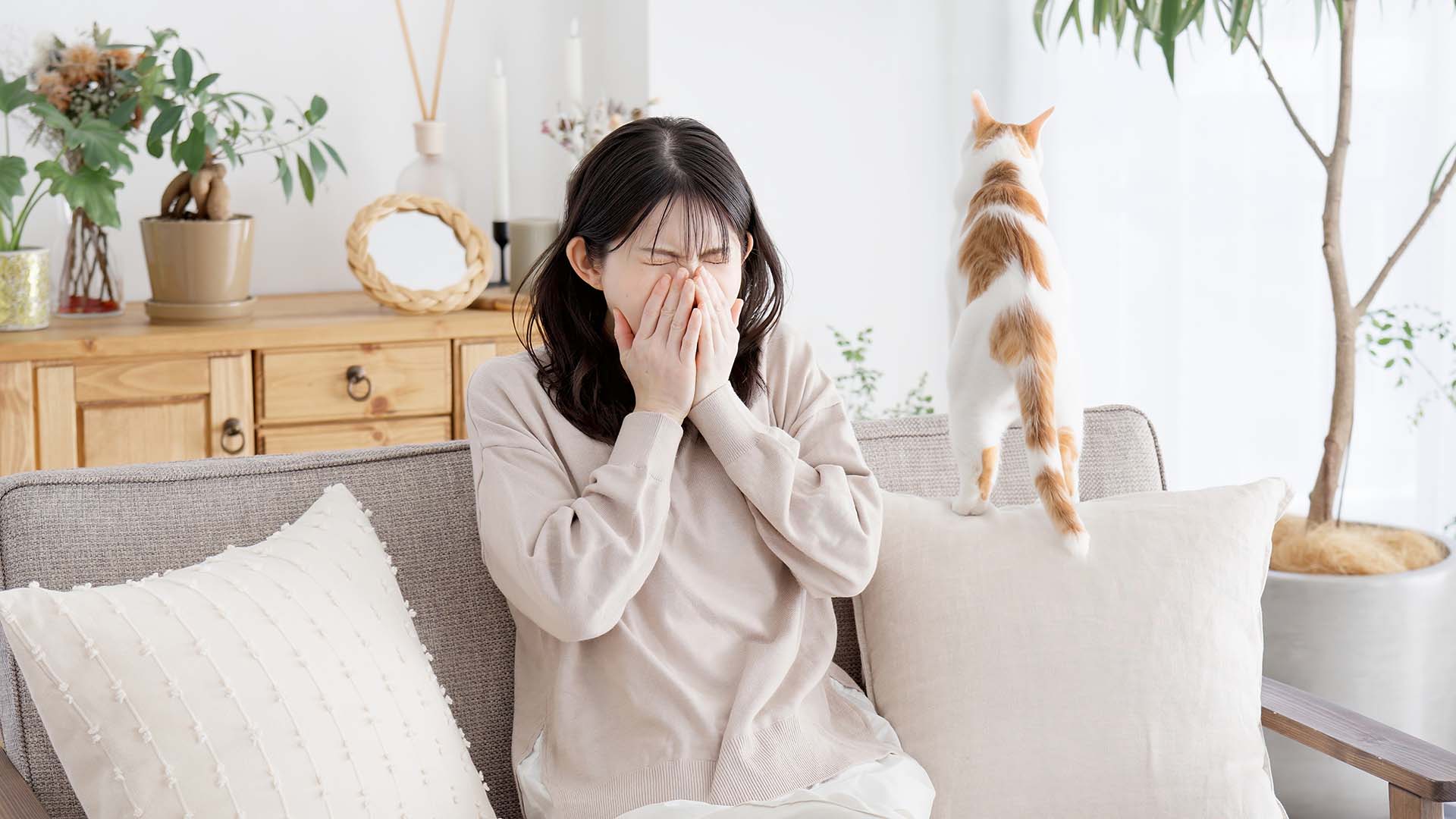
The most likely allergens that people come into contact with, especially during the cold season, include tiny airborne particles (pollen) released from trees and grasses, Dust mites found in household dust, mold spores that are often airborne, and dander (shed skin particles) and fur from household pets.
Symptoms
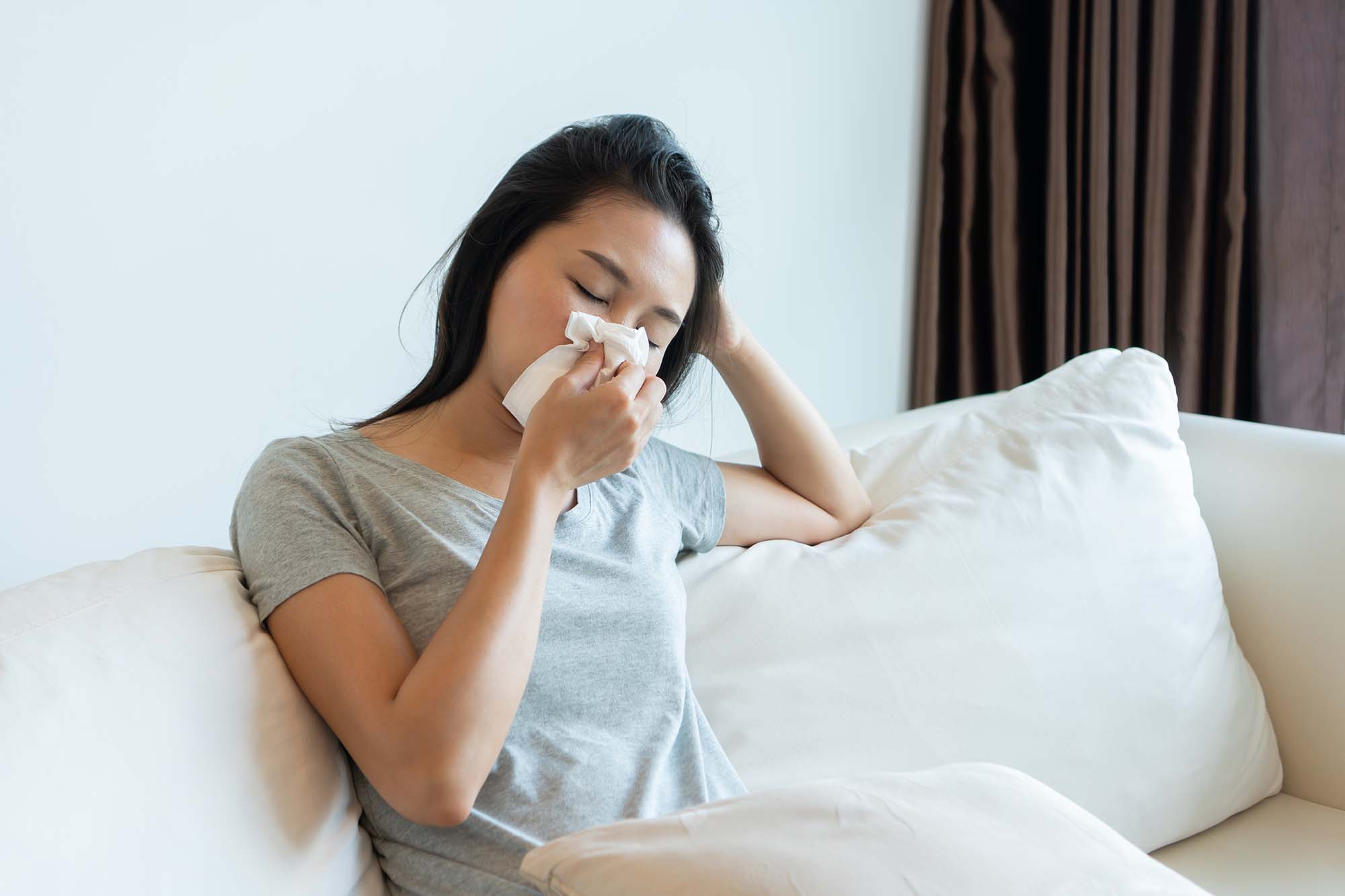
When a pollen allergy occurs, the main systems affected are the respiratory tract and the eyes, which can become inflamed. Common symptoms include: non-stop sneezing, itchy and watery eyes, runny nose or nasal congestion, itching in the throat, mouth, or ears.
In severe cases, emergency treatment may be necessary, as symptoms can progress to facial swelling, swelling of the tongue, lips, and extremities, hives (rashes), difficulty breathing, and a drop in blood pressure.

Quick Relief and Prevention Methods
Although it may not be possible to completely cure the allergy, you should be aware of both preventive measures and treatment options. Since allergies are prone to recurrence, you need to be mindful of your diet and lifestyle.
- You should avoid going outside in the early morning when pollen levels in the atmosphere are high, and you should keep your house windows closed.
- To relieve frequent sneezing and itching, you may take Antihistamines after consulting a doctor to confirm the correct dosage.
- At home, you must prioritize cleanliness to reduce dust and mold, such as by using an Air Purifier and regularly washing bedding in hot water.
Some people are aware of the common items they are allergic to and can easily avoid them. However, others may be unaware of the specific allergens affecting them, which can make prevention and treatment difficult. Especially in winter, where pollen and dust mites are common triggers, if you experience frequent sneezing and itching, we advise you to reassess your environment to determine if it is a common cold or a pollen allergy. This will help you find the correct treatment and achieve quick relief.




Comments