
Often, a simple eye strain can cause temporary blurred vision that clears up with rest. However, it's crucial to consider that blurred vision could also be an early symptom of diabetes. Since blurred vision is one of the initial signs of diabetes, it shouldn't be ignored. If left untreated, it can lead to severe vision loss. Let's delve into the connection between eye health and diabetes, and the potential complications that may arise.
Cataracts
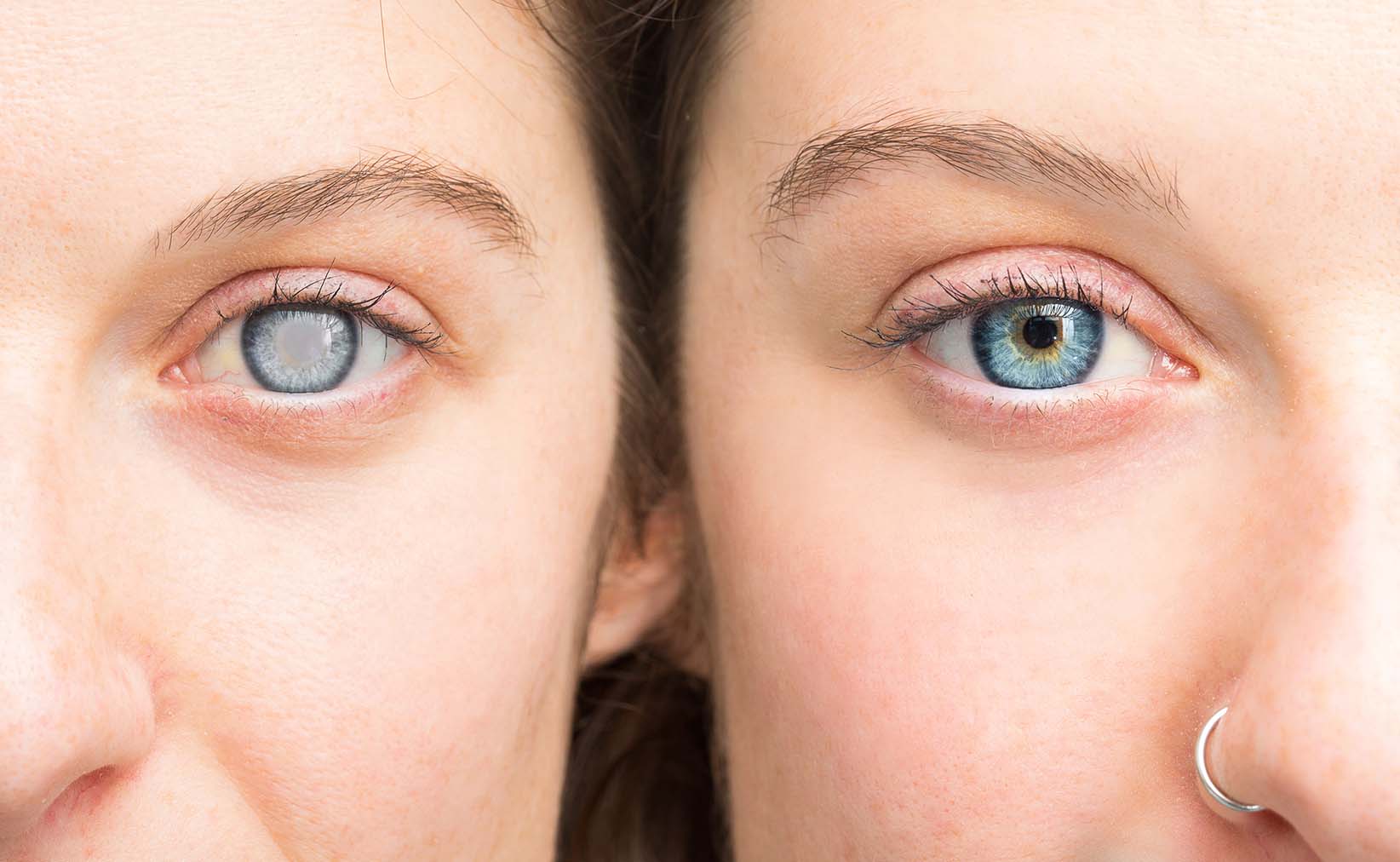
As we know, blurred vision often indicates the onset of cataracts. The lens of the eye, which typically focuses light onto the retina, becomes cloudy or opaque, leading to cataracts. While cataracts can occur due to aging or various eye injuries, people with diabetes are more prone to developing cataracts at a younger age and with greater severity. Other symptoms include difficulty distinguishing colors, seeing halos around lights, and increased sensitivity to light.
Retinal Damage
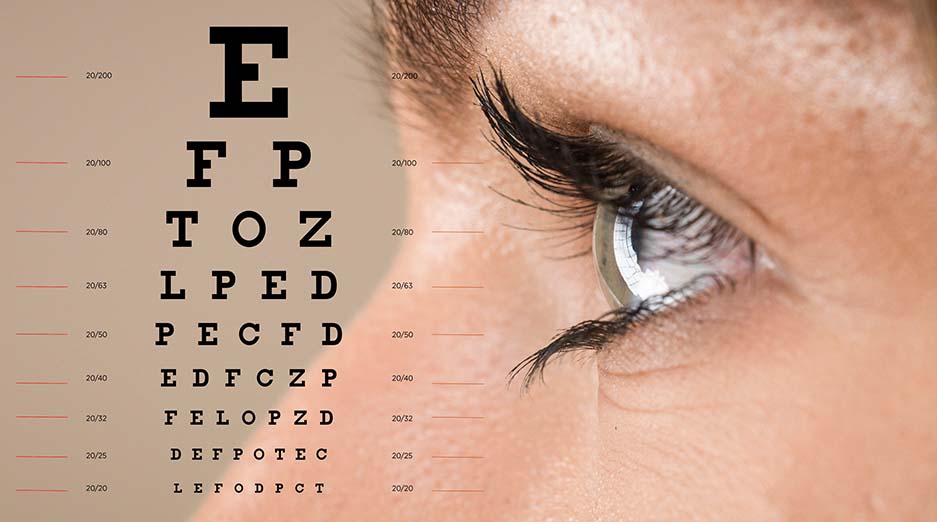
Diabetes can disrupt the normal flow of fluid within the eye, increasing pressure and damaging the blood vessels and nerves that transmit visual signals to the brain. This can lead to retinopathy, a condition that can cause blurred vision, floaters, and eventually vision loss. While retinopathy can be treated in its early stages, it often progresses without noticeable symptoms, making regular eye exams essential for people with diabetes.

Gradual Vision Loss
Progressive vision loss is another eye complication linked to diabetes. Damage to the retina, a light-sensitive tissue at the back of the eye, can cause blurred vision, dark spots in the visual field, difficulty distinguishing colors, and night blindness. If you experience any of these symptoms, consult an eye specialist immediately.
High Blood Sugar
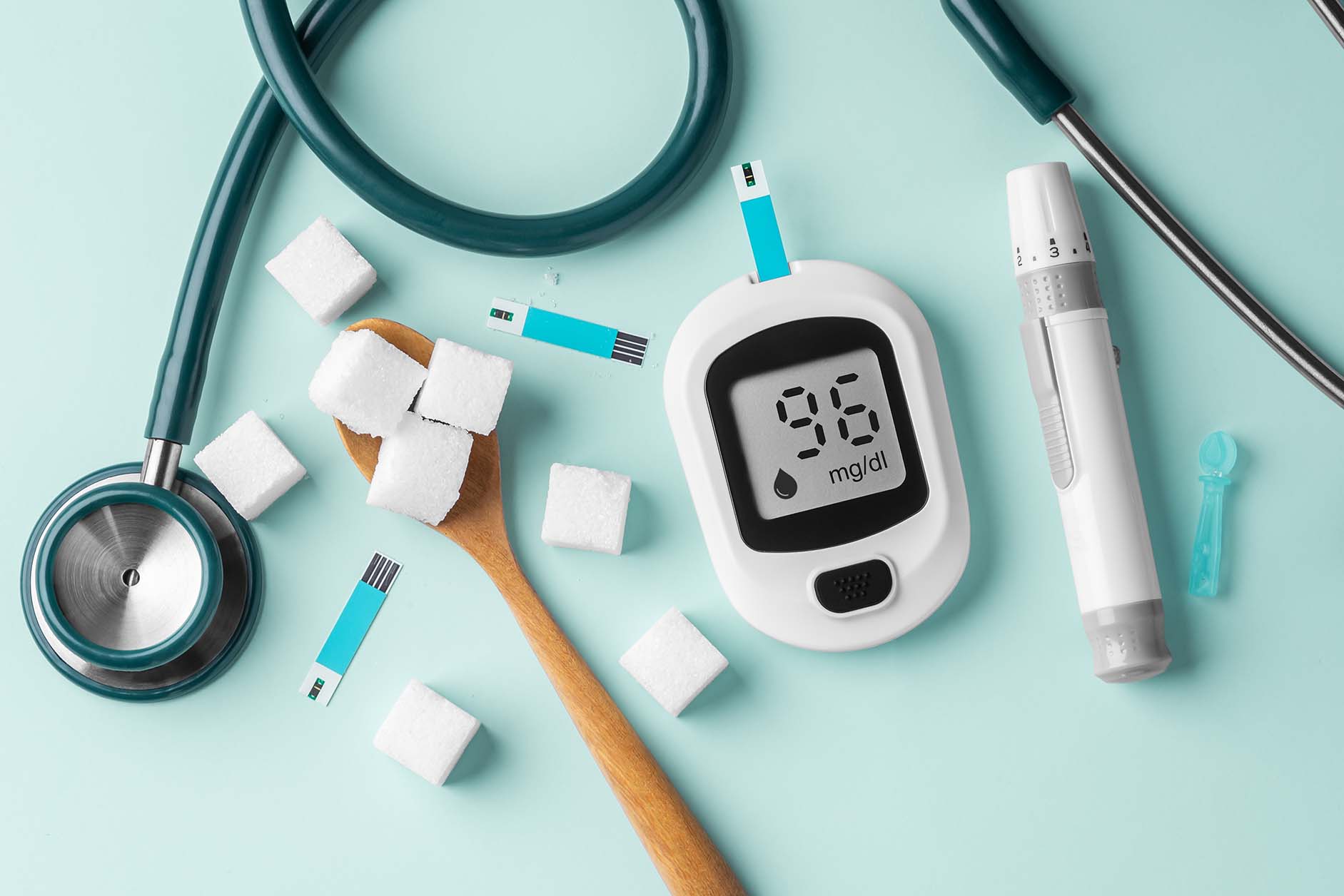
Fluctuating blood sugar levels are a hallmark of diabetes. When the body cannot effectively process glucose, it can lead to various complications, including eye problems. High blood sugar can cause blurred vision, headaches, fatigue, increased thirst, and frequent urination. Maintaining stable blood sugar levels is crucial for preventing eye damage and other diabetes-related complications.
Diabetes can have a significant impact on eye health. While blurred vision might seem like a minor inconvenience, it could be a warning sign of underlying eye problems. Regular eye exams and proper diabetes management are essential for preventing vision loss. If you have diabetes, prioritize your eye health by scheduling regular check-ups with an ophthalmologist.





Comments