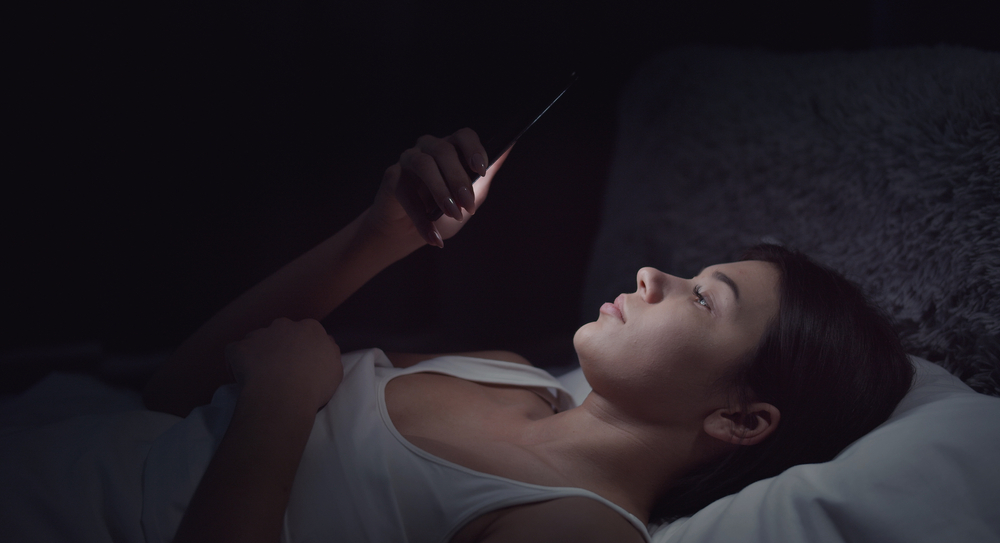
Sleep plays a vital role in both the mental and physical health of a human being. In this modern age, a common factor linked to nighttime sleep is the habit of using a phone before bed.
Generally, people are advised to avoid phone usage near bedtime to ensure a good night's rest. However, for some, using a phone is the very thing that helps them drift off. This article discusses the differences between these two experiences and how they work.
Sleep and Blue Light
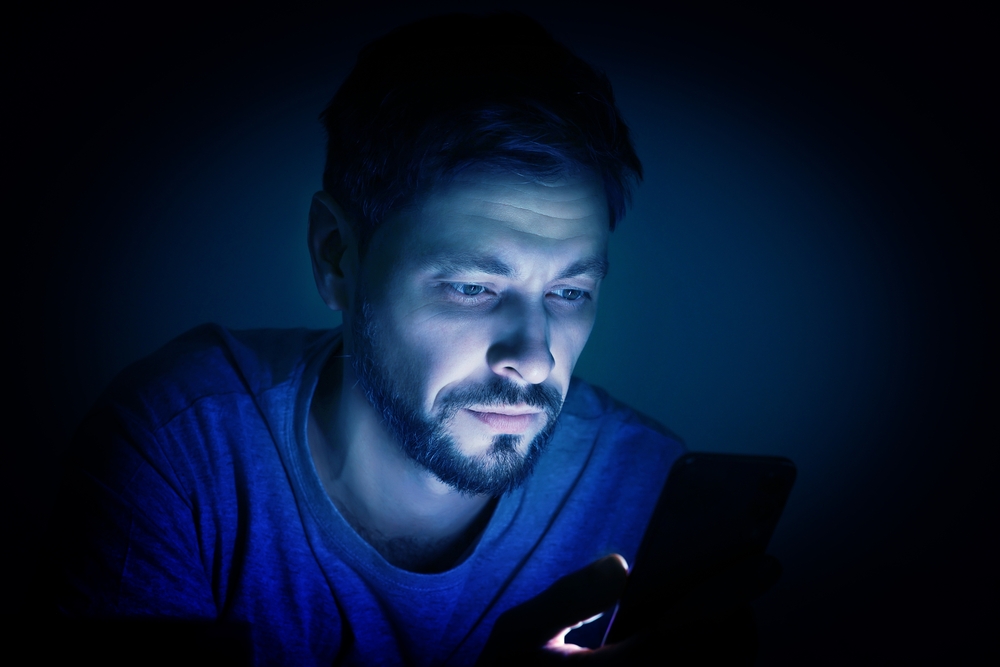
Phone screens typically emit Blue Light. This light mimic daylight and stimulates the brain to stay active. Furthermore, it inhibits the production of Melatonin, the hormone responsible for helping us sleep soundly. This is why experts recommend putting your phone away about an hour before bed.
Sleep and "Passive Focus"
On the flip side of Blue Light is what we call Passive Focus. This is a calm state of attention where the brain doesn't have to work very hard, for example, watching a movie without thinking too much or browsing YouTube videos. These passive activities don't require much cognitive effort and can actually lower your heart rate and blinking frequency, which acts as a catalyst for sleep.
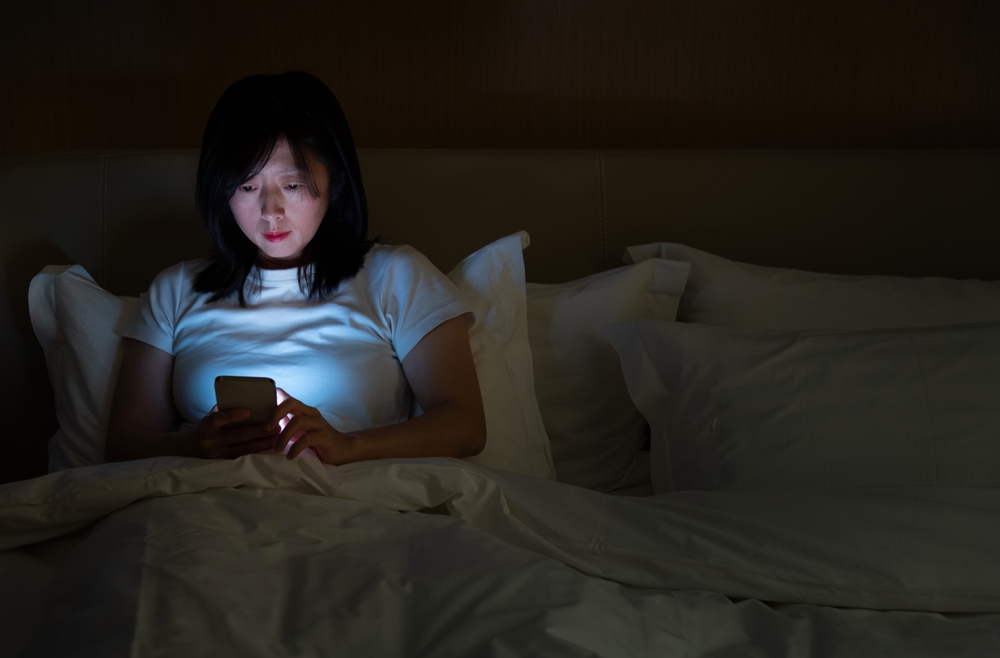
While movies and YouTube videos generally trigger Passive Focus, activities like texting or scrolling through TikTok and Facebook require more brain activity, creating Active Focus. However, some people can fall asleep even during Active Focus. We often see this when couples fall asleep while texting each other. This usually happens to people who are severely sleep-deprived or exhausted. For some, the boundary between Active and Passive focus is simply less distinct.
Light vs. Focus: Which One Wins?
Since phone usage can simultaneously cause both sleepiness and insomnia, which factor is more dominant? The answer varies from person to person and depends on the situation. The primary determining factors include age, genetics, and Sleep Pressure.
1. Age
Research suggests that as people age, their eyes become more resilient to Blue Light. Therefore, younger people are more likely to experience insomnia caused by screen light.
2. Genetics
Genetically, some individuals have eyes with more cells that are sensitive to Blue Light. These people are more prone to sleep disruption from screens, while those with fewer of these cells will be less affected.
3. Sleep Pressure
For every hour the human body is awake, it produces a chemical called Adenosine. This builds up what we call "Sleep Pressure." When these levels get high enough, the brain decides to shut down regardless of what is happening. At this point, even Blue Light cannot keep the brain awake.
As mentioned at the start, sleep is essential for your mental and physical health. You need to manage your phone usage based on your personal tolerance. The most important advice is to ensure you get 7 to 8 hours of deep sleep every day.



Comments