
When bringing a new baby into a home with a pet, many parents worry about how to safely introduce them, whether the pet will adjust well, and if everything will go smoothly. Pets can sometimes behave unpredictably, and babies, being babies, often act impulsively. That’s why it's essential to prepare in advance and monitor both your baby and your pet carefully. With the right precautions, they can become wonderful companions for each other.
Preparing Your Pet Before the Baby Arrives
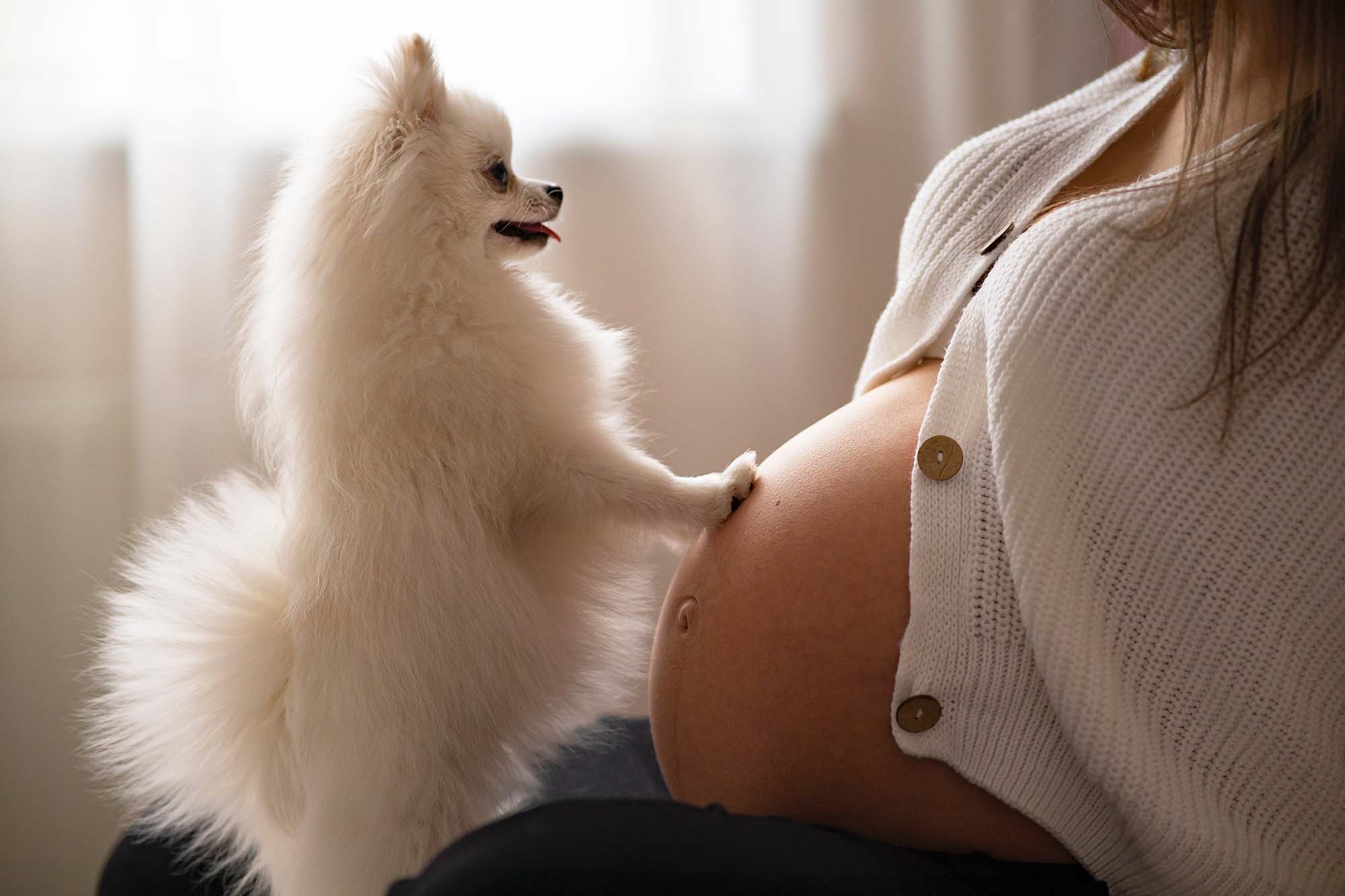
As you prepare for your baby’s arrival, your pet is likely noticing changes around the house. Whether you have a dog or a cat, they might sense that something significant is about to happen. Pets, like humans, can sometimes feel jealous when the attention they’re used to shifts to someone new. Cats, for instance, may start scratching or playing with baby items you've set up. To avoid this, try introducing your pet to the baby’s items and let them sniff and explore them. Play sounds of a baby crying so they can get used to it. During pregnancy, take your pet on walks or engage them in light activities to keep them happy and prepared for the changes ahead.
The First Introduction
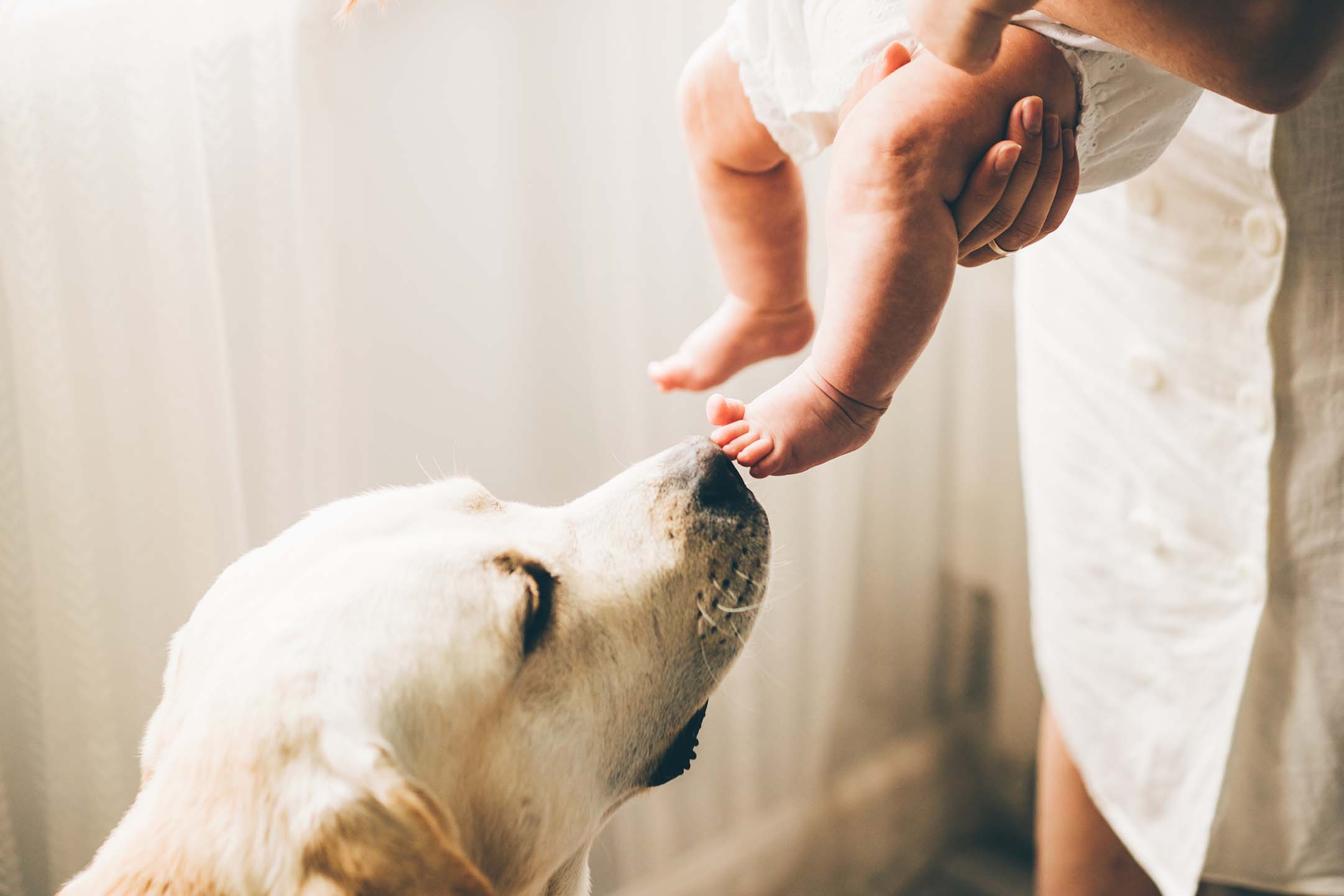
Before you bring your newborn home, send ahead a blanket or cloth with the baby’s scent for your pet to sniff. This helps them associate the scent with something positive. Once you arrive with the baby, gently introduce your pet by letting them observe from a safe distance while you explain and reassure them in a calm voice. If your pet gets too excited or nervous, give them some time apart to calm down before trying again. Avoid drastic changes, like restricting their usual space or isolating them in a crate, as this could cause unnecessary stress or behavioral issues.
 Ensuring Safety and Building Trust
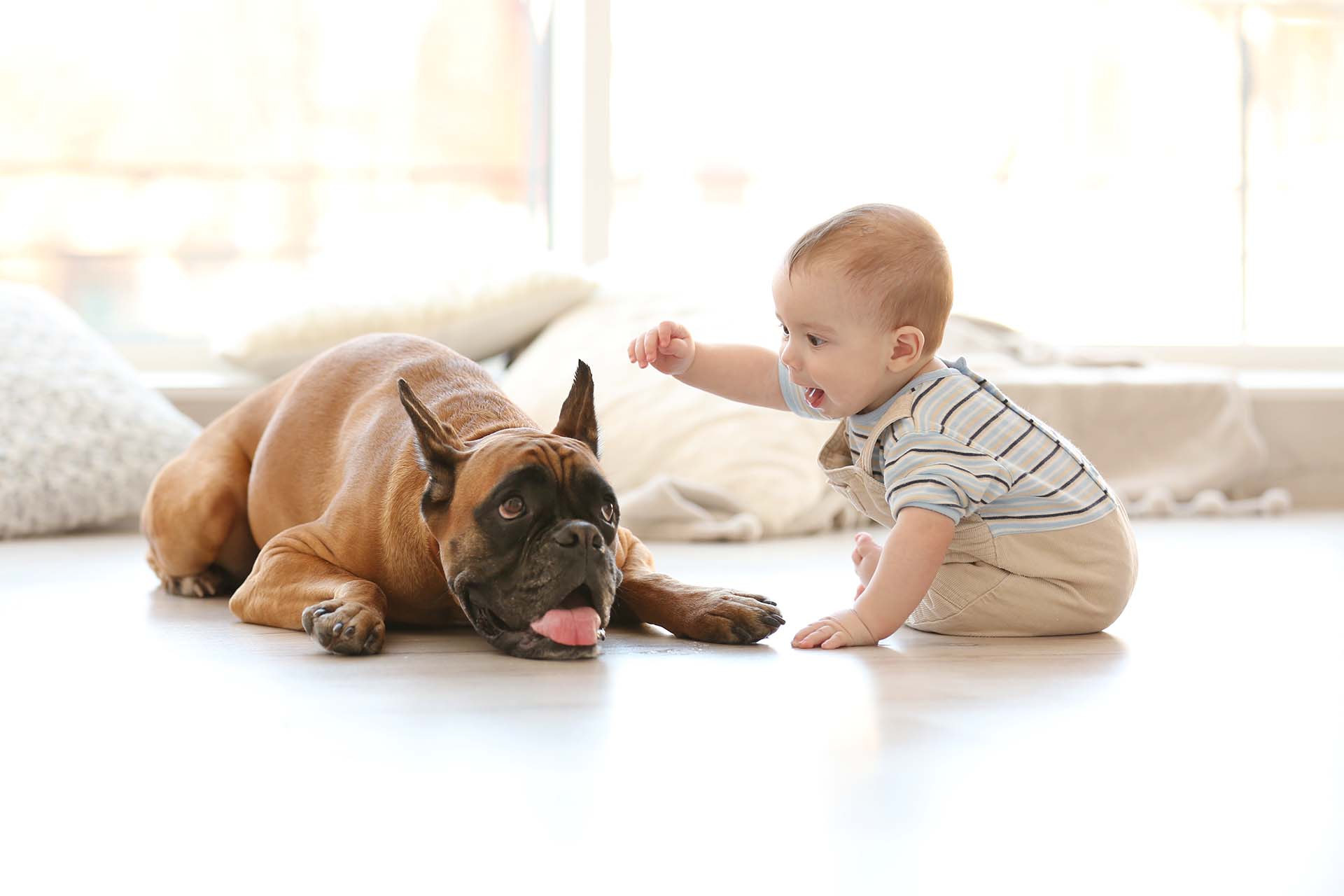
It’s important to always supervise interactions between your baby and your pet to ensure safety for both. While caring for your baby, don’t forget to give your pet attention and affection. This reassures them that they are still valued and loved. Even if you can’t spend as much time with them as before, try to dedicate at least 10 minutes to playing or bonding with them during your baby’s naps or downtime. Teach your baby as they grow not to tug on the pet’s fur, pull tails, or poke them. These actions could upset your pet and lead to accidental scratches or bites. For toddlers, set boundaries by explaining not to touch the pet’s toys, food, or bed.
Using baby safety gates can also help create safe spaces for both the baby and the pet while preventing accidents. Whether it’s your first child or the newest addition to your family, it’s important to make the transition smooth for your pet. This will help them form a positive connection with the new family member. With time, care, and supervision, your baby and your pet can grow to be the best of friends, supporting and loving each other as lifelong companions.



Comments