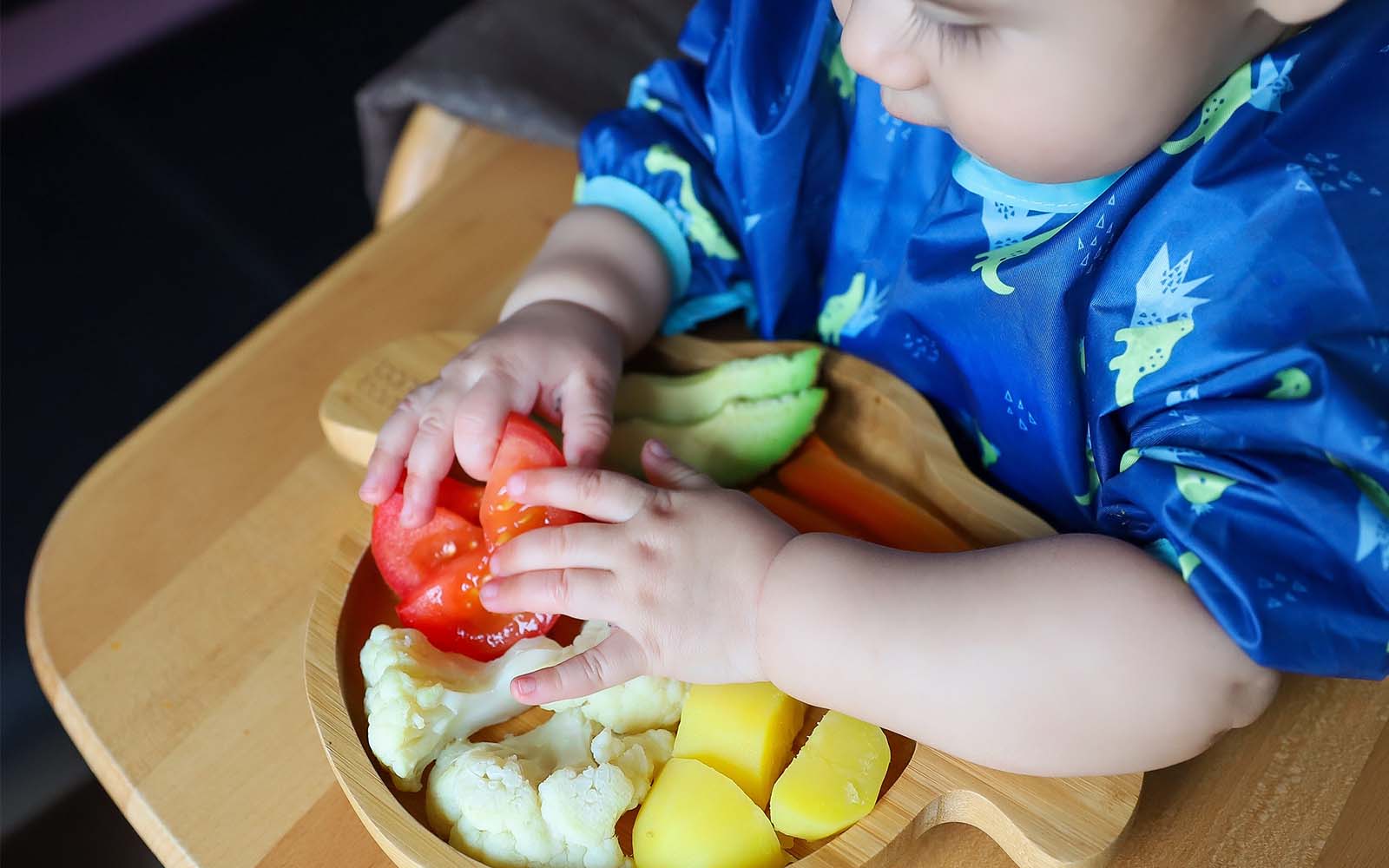
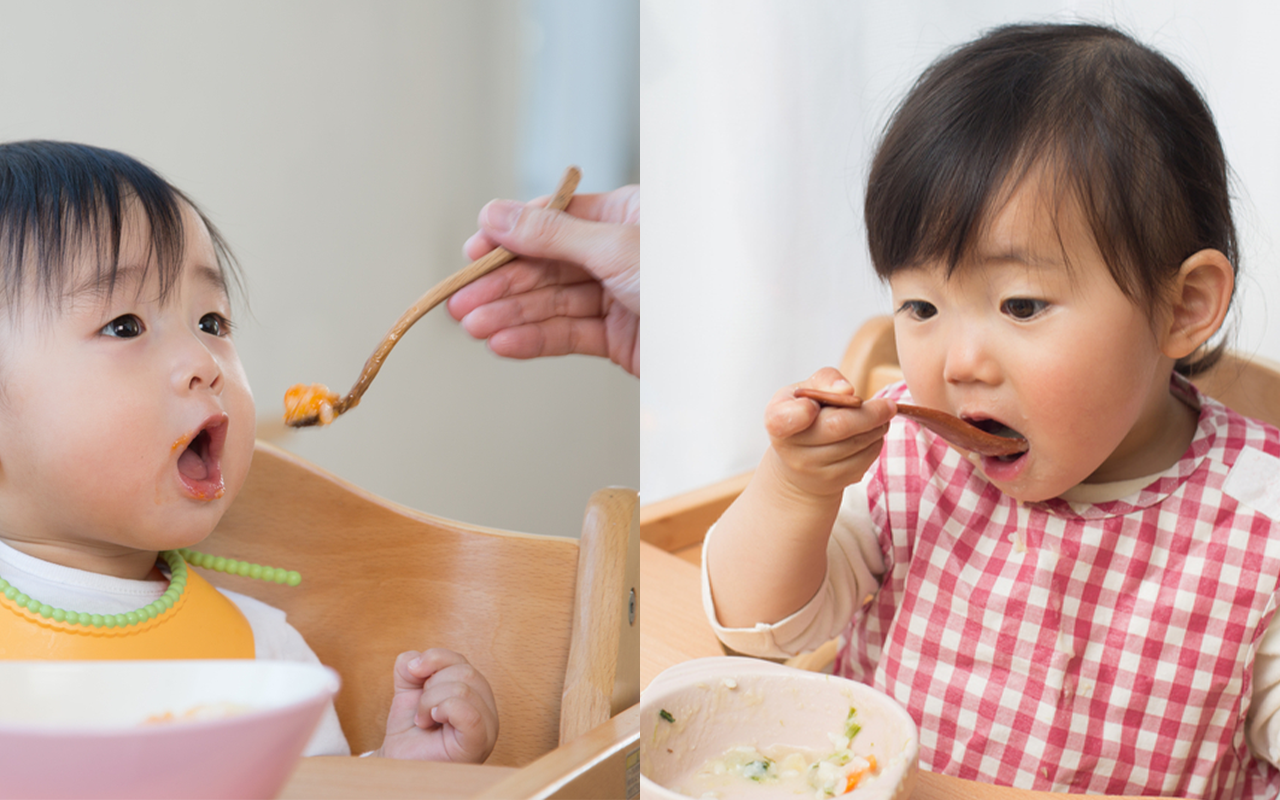
Teaching children to be self-reliant from a young age is an achievement in itself, and them learning to eat on their own can be considered a milestone. This is the beginning of teaching them to have a good relationship with food, eat healthy, and learn to be independent and self-reliant. Instead of spoon-feeding, with Baby-Led Weaning (BLW), children can explore the shapes and colors of food with their own hands. So, for all the parents who are thinking about teaching their babies to self-feed, this article will share some tips on what to do, what to avoid, and what to know.
Most parents often ask at what age they should start. It is best to begin around 6 months when the baby can sit up on their own and shows interest in food. As for what foods to feed them, focus on soft, mushy foods that are about the size of a finger. Let's find out more details below.
When Is a Baby Ready to Eat on Their Own?
The first and most important thing to know is whether your baby is ready to eat on their own. Forcing them to eat before they are ready can be dangerous. To check if they are ready, consider the following:
- To swallow food well and avoid choking, babies must be able to sit up on their own before they start eating.
- Young children may still have a reflex that automatically pushes food out with their tongue. They can only swallow food once this habit is gone.
- When parents or others around them eat something, if they lean forward and open their mouth, it shows that they are interested in eating.
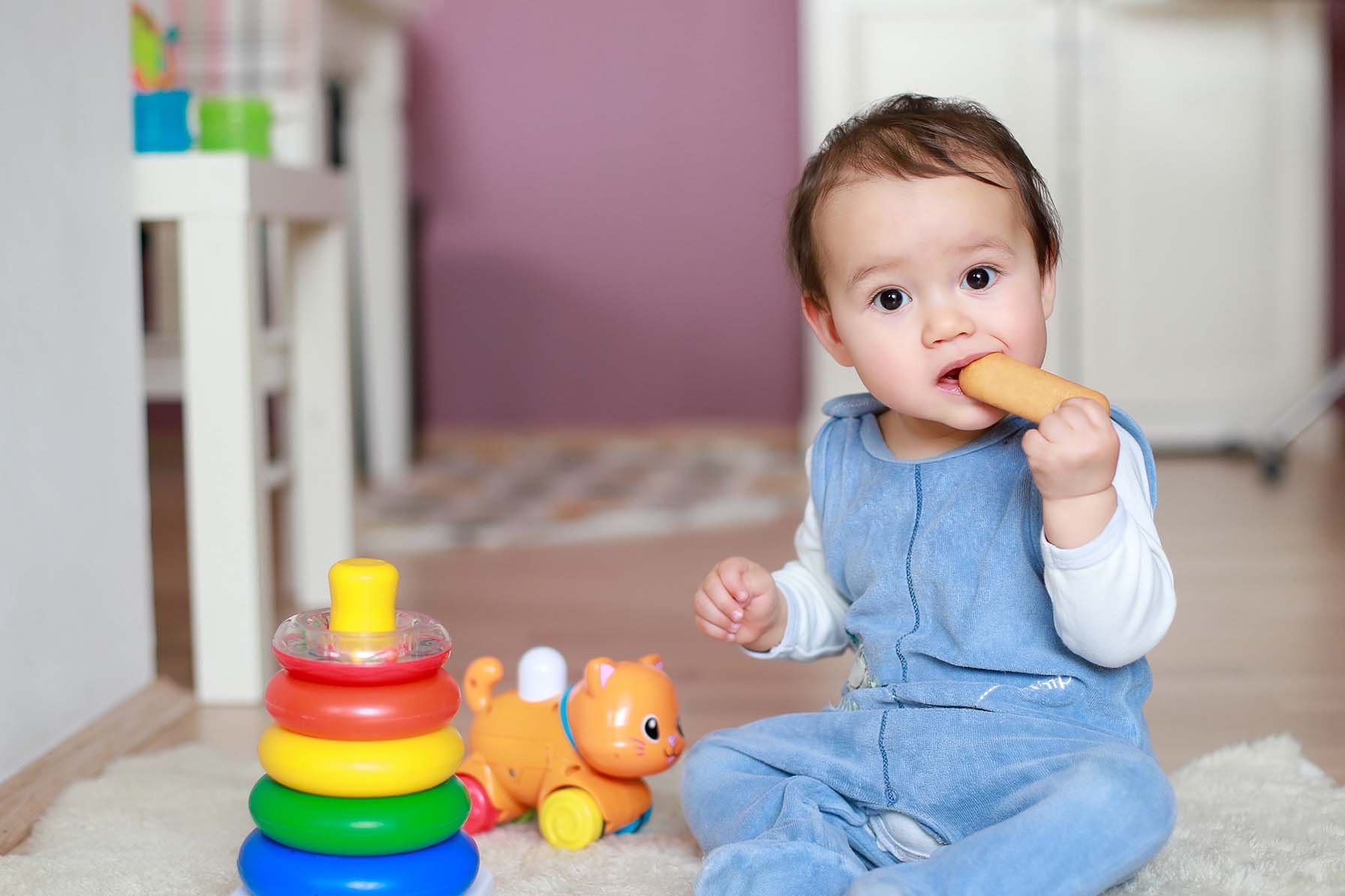
- The ability to pick up things and put them into their mouth shows they have the motor skills to eat with their hands.
What Is Needed to Start the Journey?
Once you are sure about the points above, start by feeding them one meal a day. As they get used to it, you can gradually increase the number of meals.
- Ensure your baby eats in a high chair to maintain a good posture.
- Offer soft foods that their teeth and gums can chew and cut them into an appropriate size for them to hold.
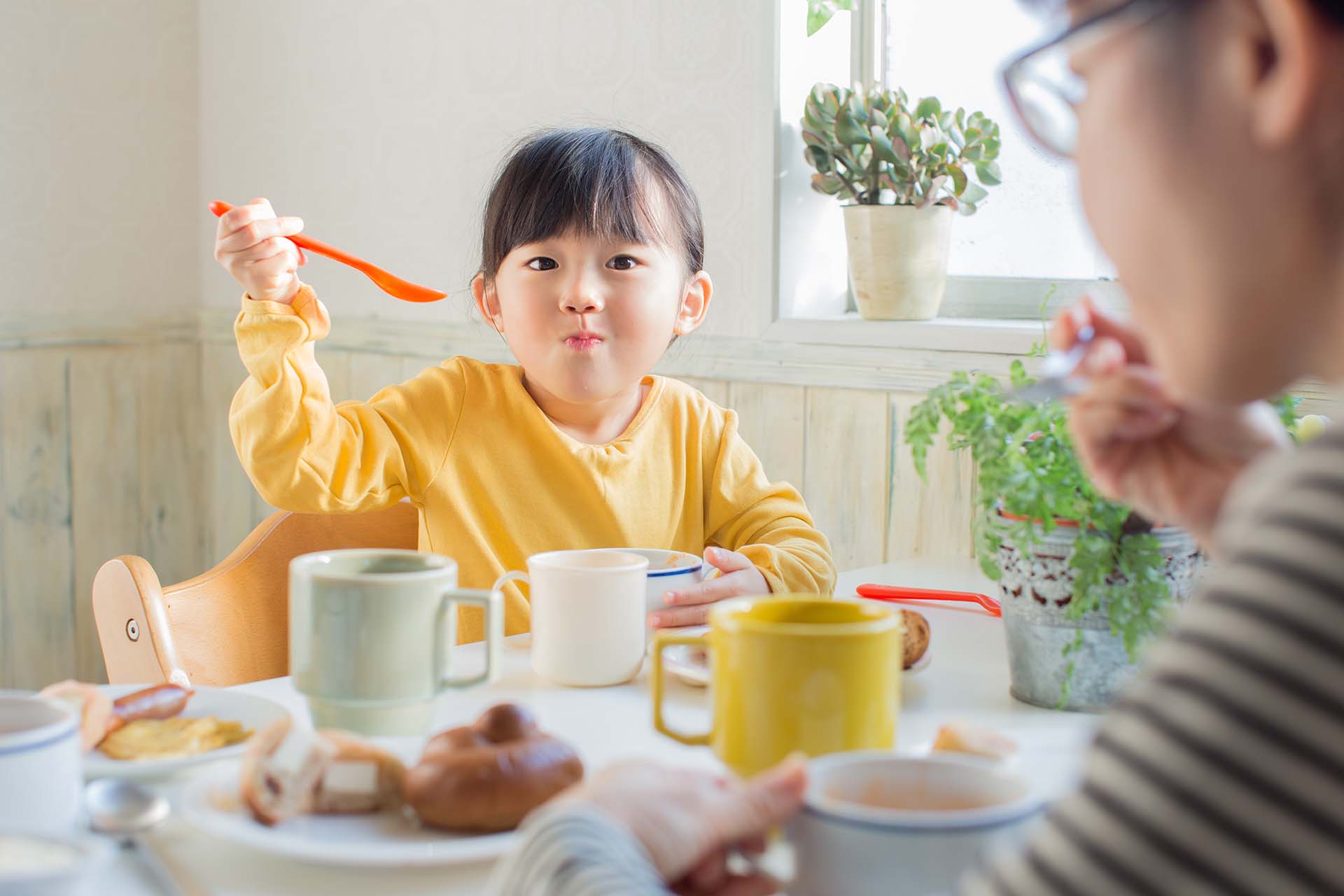
- Eating together with the baby as a family will help them get used to the right mealtimes and methods.
- When starting, only introduce one type of food to see if they have any allergic reactions.
What Kinds of Foods Should You Feed Your Baby?
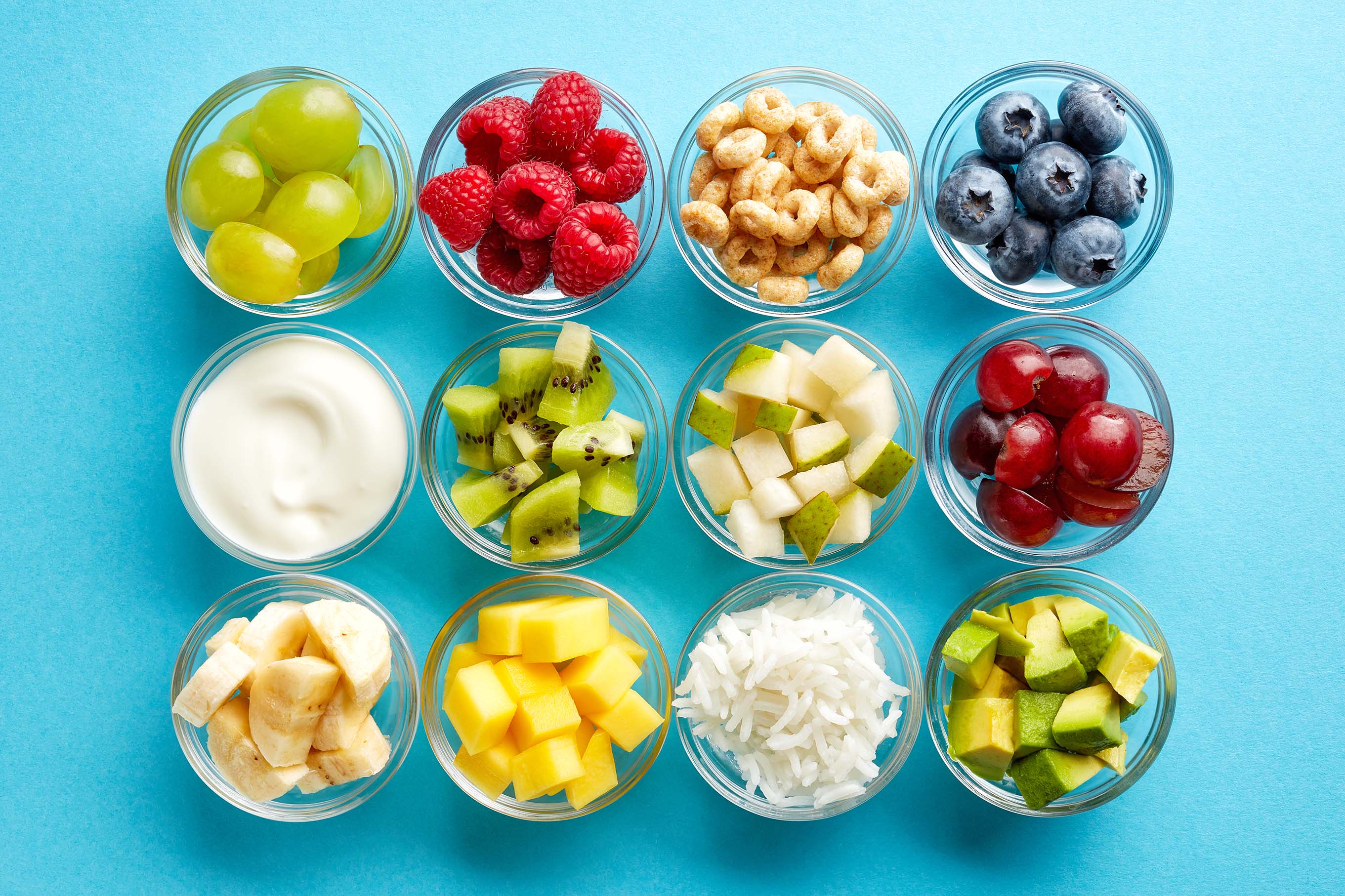
The first foods should be nutritious, soft, and easy for them to handle and chew, and suitable for their age.
Fruits: Ripe bananas, ripe pears, ripe papayas, small pieces of apples, and avocado slices can be given to your baby.
Vegetables: Cook carrots, broccoli, sweet potatoes, and pumpkins until they are soft. Alternatively, you can cut them into thick pieces about the size of an adult finger and feed them.
Proteins: You can include soft egg yolks, shredded chicken, boneless fish, and thoroughly cooked beans.
Carbohydrates: You can give them soft, rolled-up rice balls. Also, thin, soft bread, rice cakes, and noodles can be given.
When cooking, it is also important to make sure the food is soft enough to mash easily with your hand. It is best not to add sugar, salt, or honey until they are one year old, but to let them eat only the natural flavors.
When teaching babies to self-feed, it is most important to supervise them at all times to prevent them from choking. Avoid hard foods that are difficult to eat and swallow. For peace of mind, you can study emergency first aid for babies. The most important thing is not to be perfect, but to focus on letting them explore food and start being self-reliant. With this in mind, the article ends here.

Comments