During the cold season, marked by significant day-to-night temperature fluctuations and dry air, young, tender children are more susceptible to health issues than usual due to the seasonal transition. Although the cold may not be extreme, the temperature changes from exposure to cold air outside to the warmer indoors, can frequently cause colds and fevers in children whose immune systems are not yet fully developed. While parents need not panic when this occurs, this article will serve as a guide to help you proactively protect your children against the winter elements from all angles.
Proactive Prevention
To ensure the best possible protection against external germs during seasonal changes, particularly the transition from monsoon to winter, boosting the immune system is crucial.
Ensure Sufficient Sleep: Adequate, restful sleep-in children is vital for energy. During deep sleep, the body produces essential proteins that help guard against inflammation.
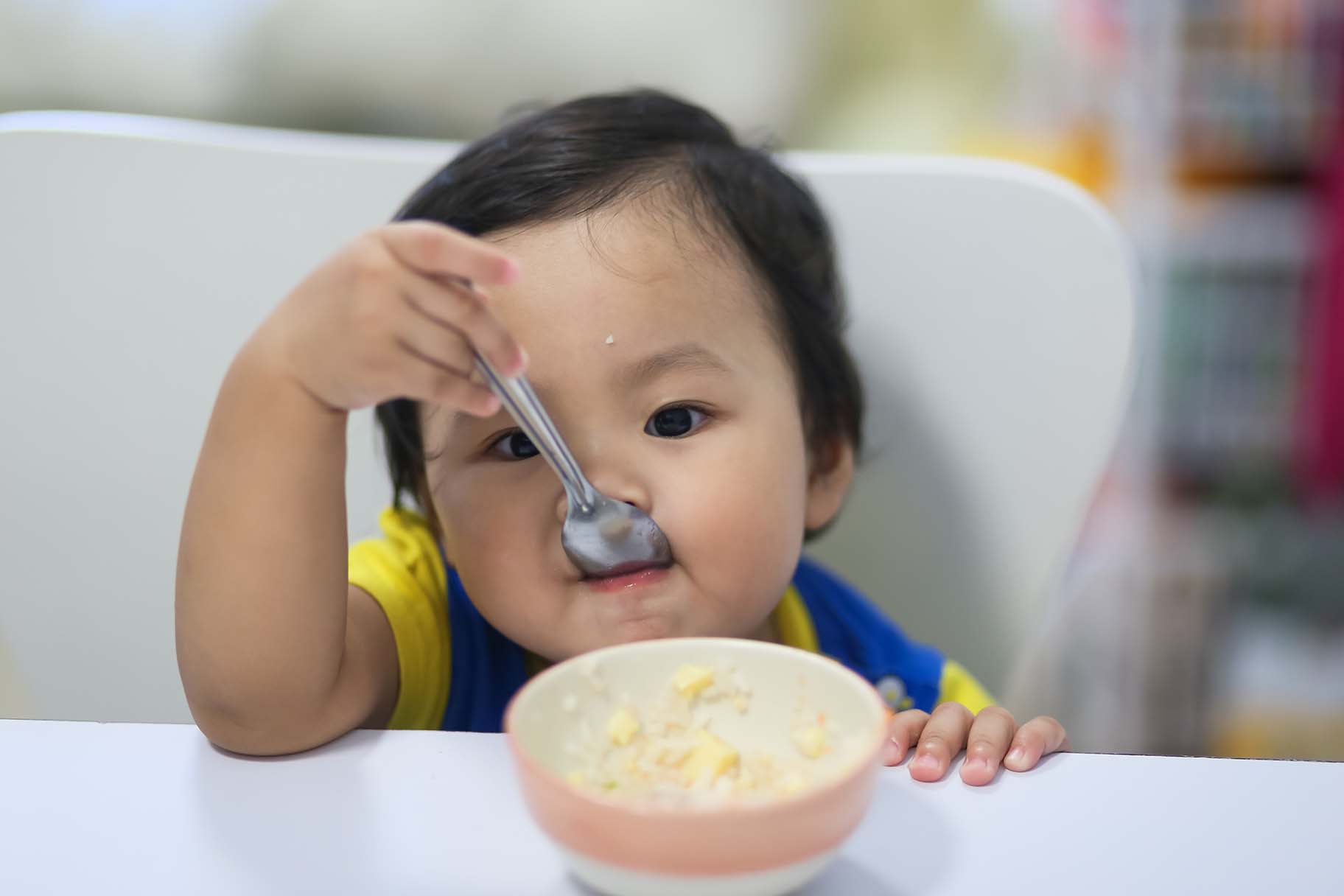
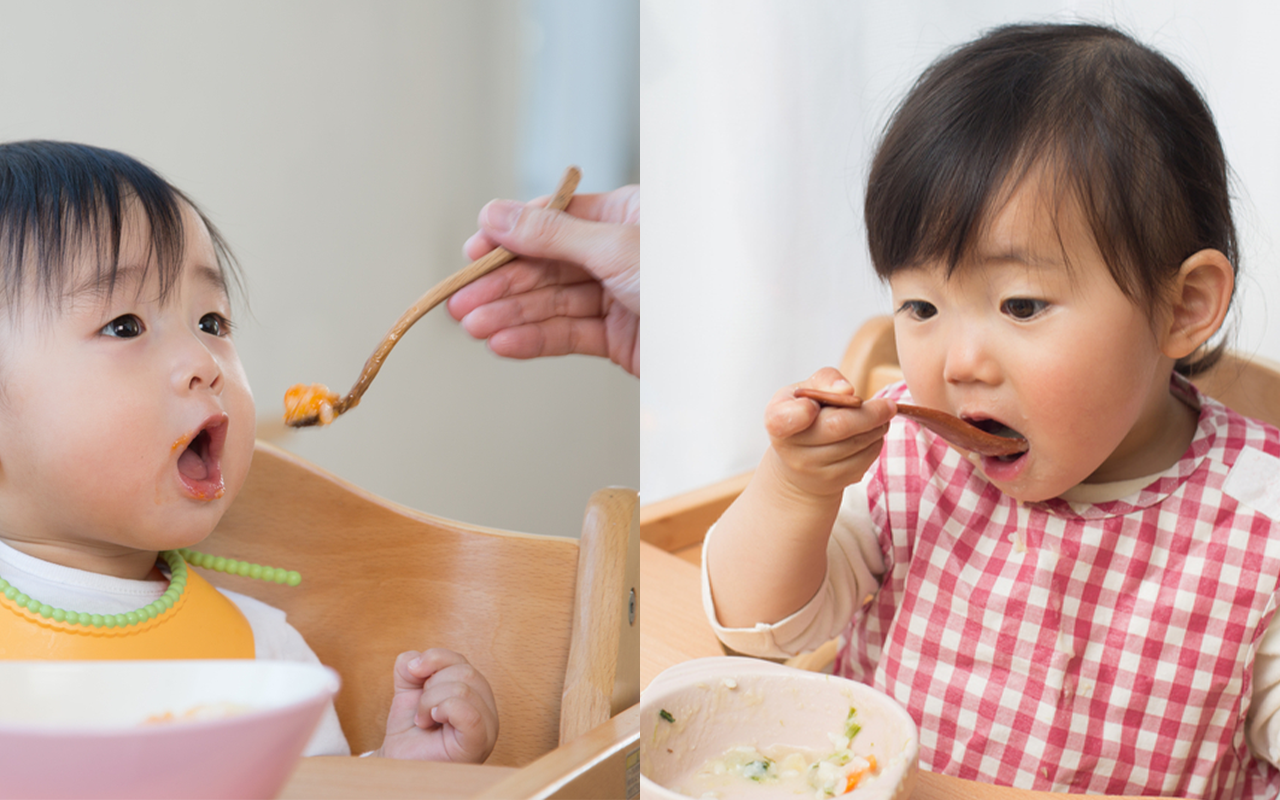
Provide Balanced Nutrition: Food plays a critical role in maintaining a strong immune system. You should ensure a balanced intake of: Healthy fats (from avocado and coconut oil) to support lung and respiratory health, Vitamin A (from carrots and sweet potatoes), and Vitamin C (from broccoli and bell peppers).
Teach Frequent Handwashing: Regular handwashing is fundamental to personal hygiene and an effective way to prevent the spread of germs. Parents should ensure children maintain the habit of washing their hands after touching anything, whether at home or at school.
Treatment and Recovery
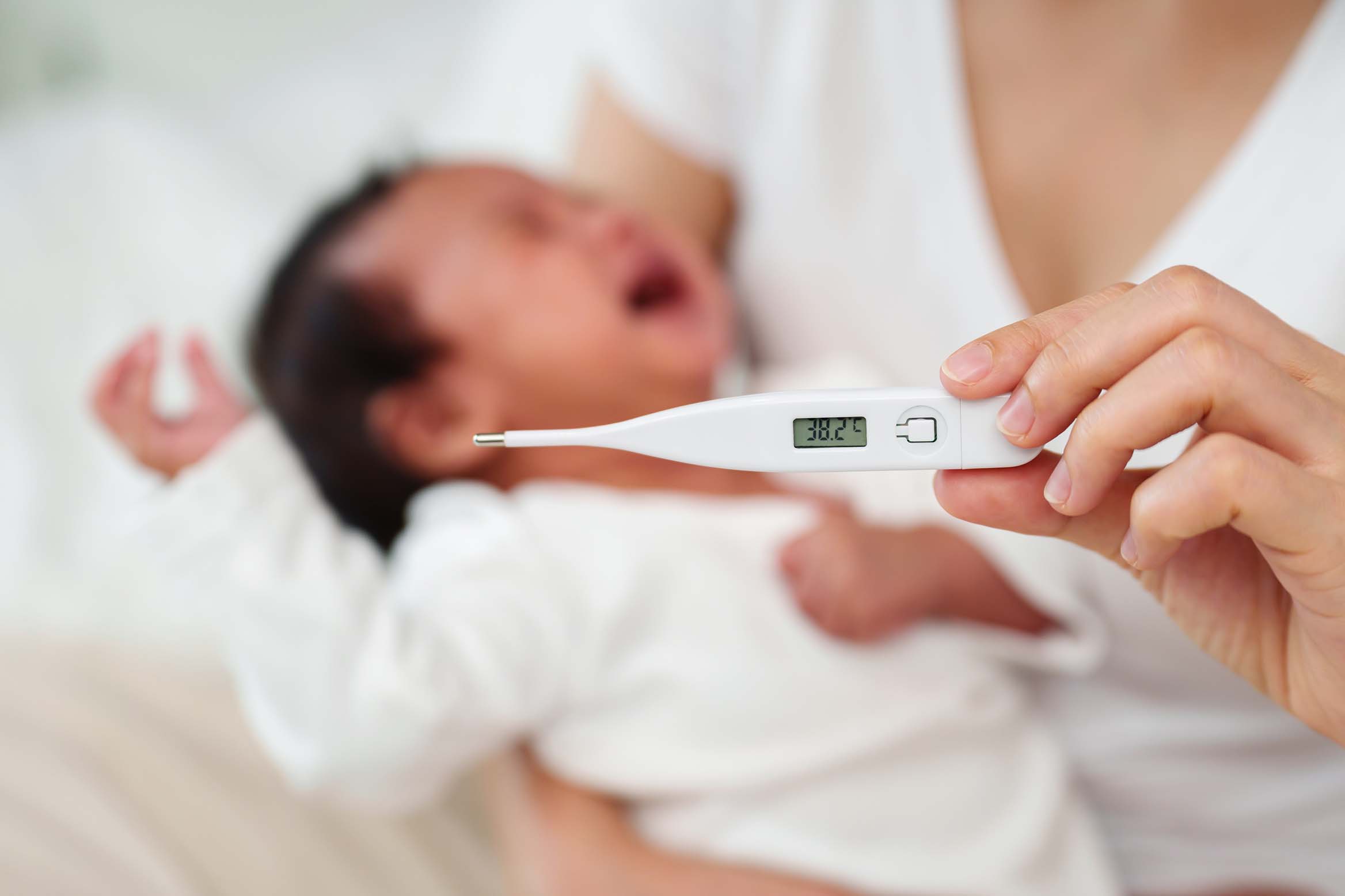
When children catch a fever, their temperature can spike suddenly. When they fall ill, the main focus for parents should be correct care and ensuring the quickest possible recovery. Follow the tips below:
Prioritize Hydration: Hydration is paramount during this season. Frequently offer water; for infants, ensure adequate intake of milk or supplements. Warm water, clear broth, and rice porridge are excellent ways to replenish fluids and help relieve cold symptoms.
Dress Appropriately: Dressing a child in many thick layers when they have a fever can trap heat and sweat, potentially raising the body temperature further. Even if it is cold, dress them in light, breathable cotton clothes.
Manage Fever: Gently wipe the child’s forehead, armpits, and groin areas with a cloth soaked in warm water to help lower the heat.
When to See a Doctor: If the fever reaches 39.5°C (103°F) and lasts for more than two days, or if the child is lethargic, weak, or severely irritable, specialized pediatric medical attention should be sought.
Prevention is always better than cure for ensuring babies stay healthy and happy year-round. By focusing on boosting immunity and maintaining hydration, you and your family can warmly and healthily overcome the challenges of the winter season.


Comments