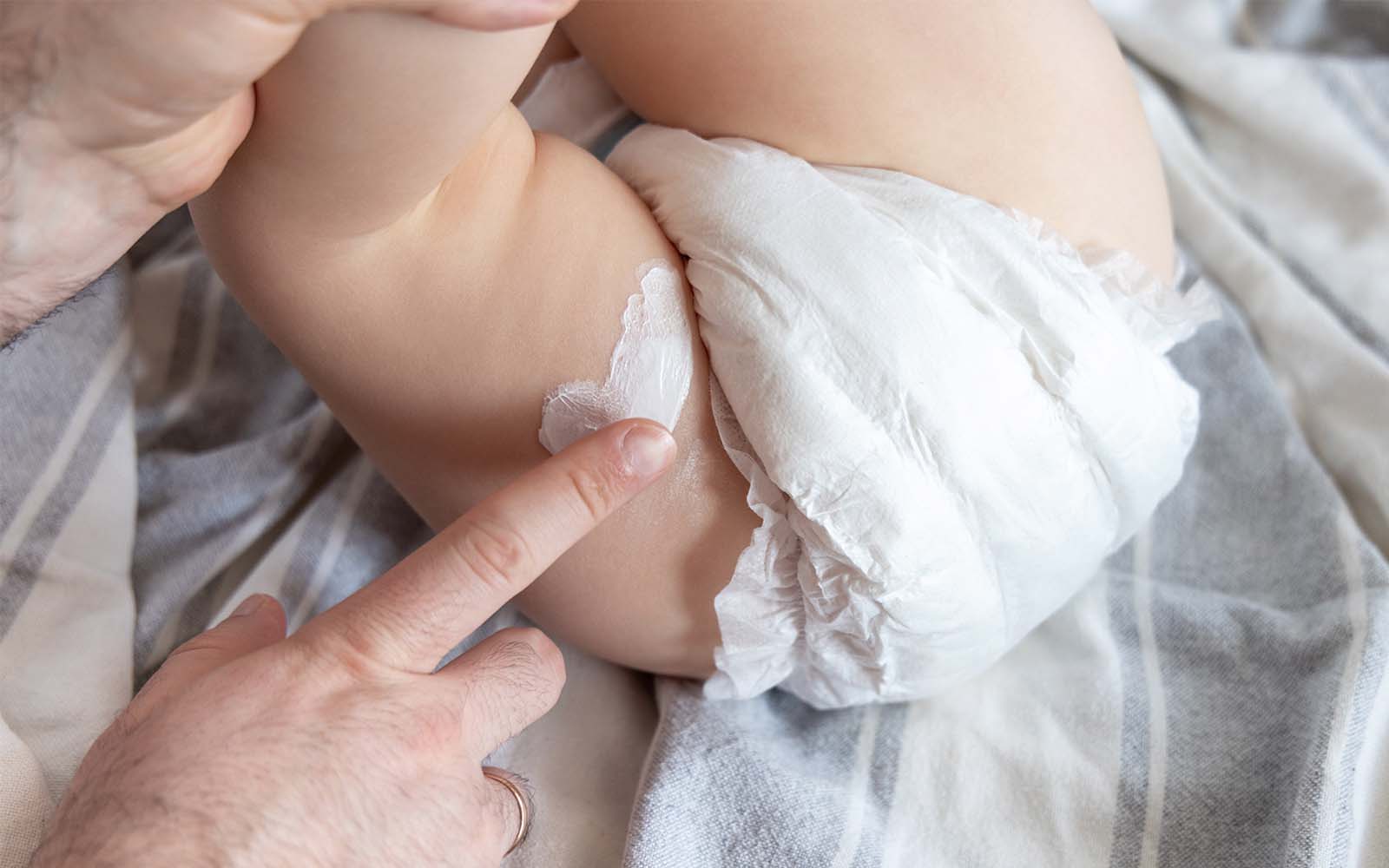
At a tender age, babies can’t express their discomfort with words, so parents must stay observant of even the smallest signs. During this stage, hygiene and daily cleanliness become essential, from the items your baby uses to the environment they live and play in.
Among these daily essentials, the diaper plays a major role. Choosing the right diaper means more than just comfort, it’s about ensuring good quality, proper size, and breathability. In Myanmar’s hot and humid weather, babies are more prone to diaper rash, skin irritation, and heat rashes, making it important for parents to know how to prevent and treat these issues early.
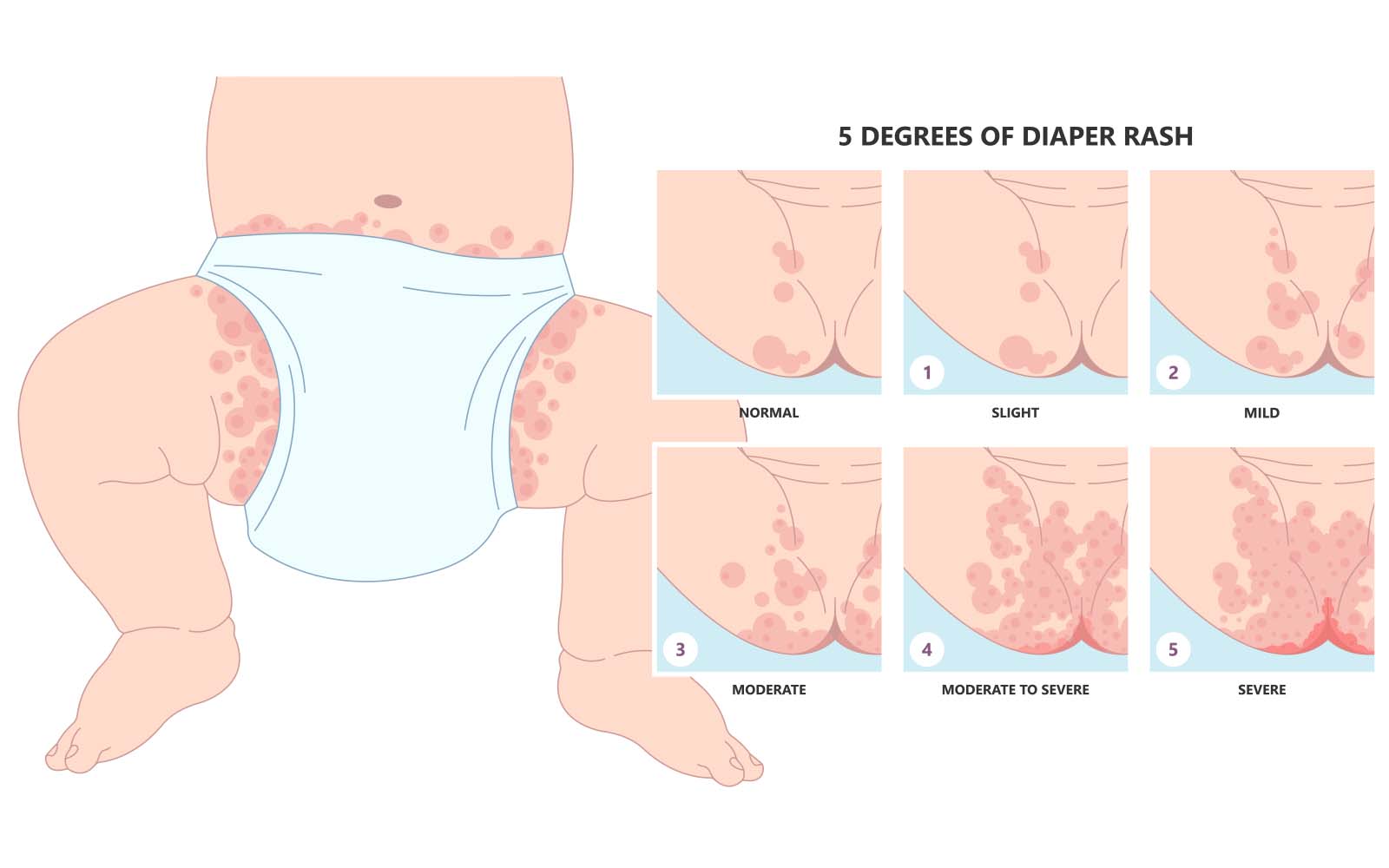
Common Causes of Diaper Rash
Prolonged use of a wet or dirty diaper: Urine and stool left on the skin for too long can irritate and damage the baby’s delicate skin.
Tight diapers or clothing: Friction and lack of airflow can make the rash worse.
Chemical sensitivity: Some babies have naturally sensitive skin that reacts to wet wipes, laundry detergents, or fabric softeners.
Weather factors:
In humid seasons, trapped moisture inside the diaper can harm the skin.
During the rainy season, damp clothes can cause fungal infections.
In hot weather, sweat mixed with diaper contact may lead to heat rash.
In cooler weather, multiple clothing layers and less frequent diaper changes can also trigger irritation.
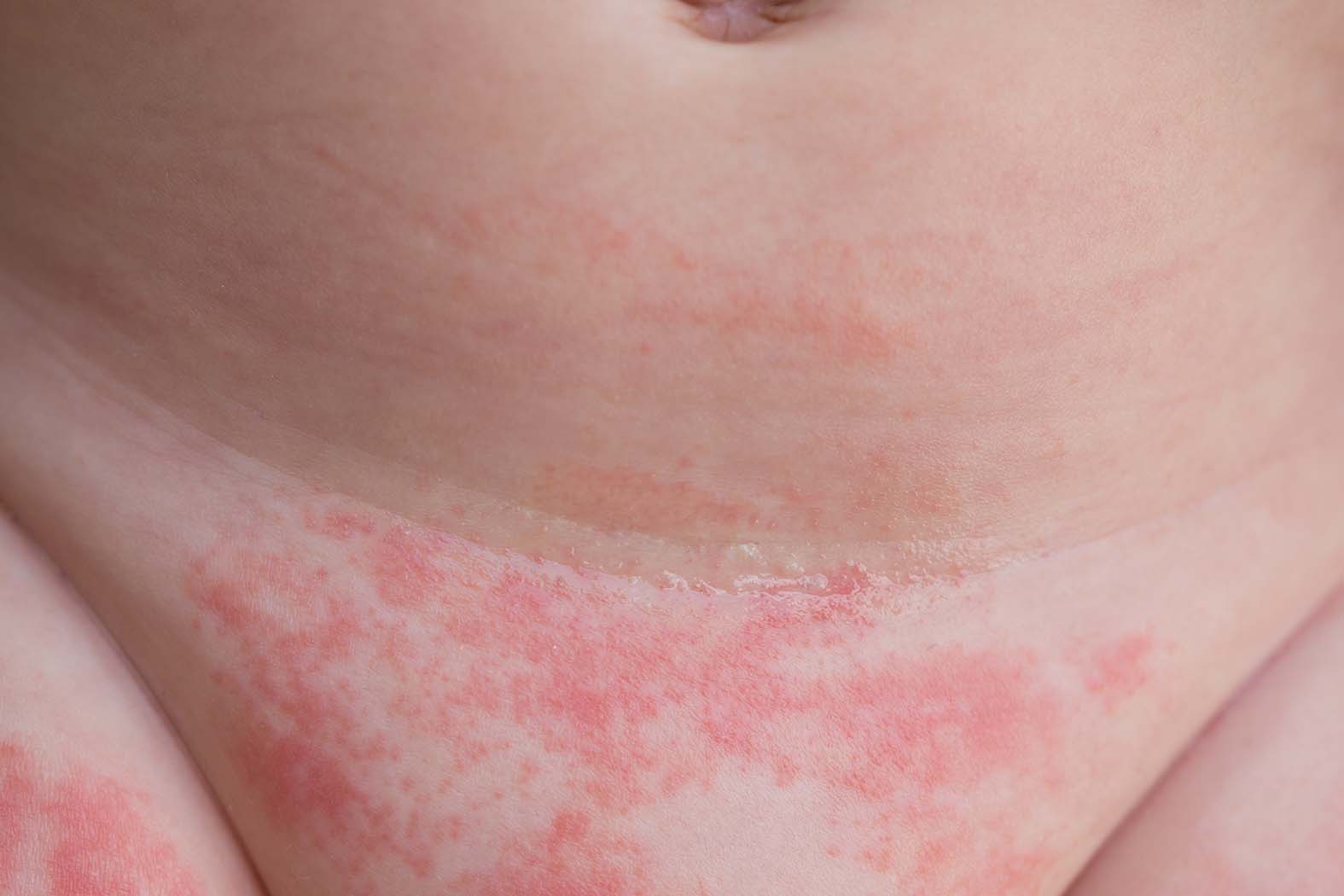
How to Identify Diaper Rash
If your baby develops light pink or red patches around the buttocks, thighs, or genital area, it’s often a sign of diaper rash. Your baby may seem fussy or cry more often during diaper changes or baths due to pain or stinging sensations. Always check the diaper area regularly for early signs of redness or discomfort.
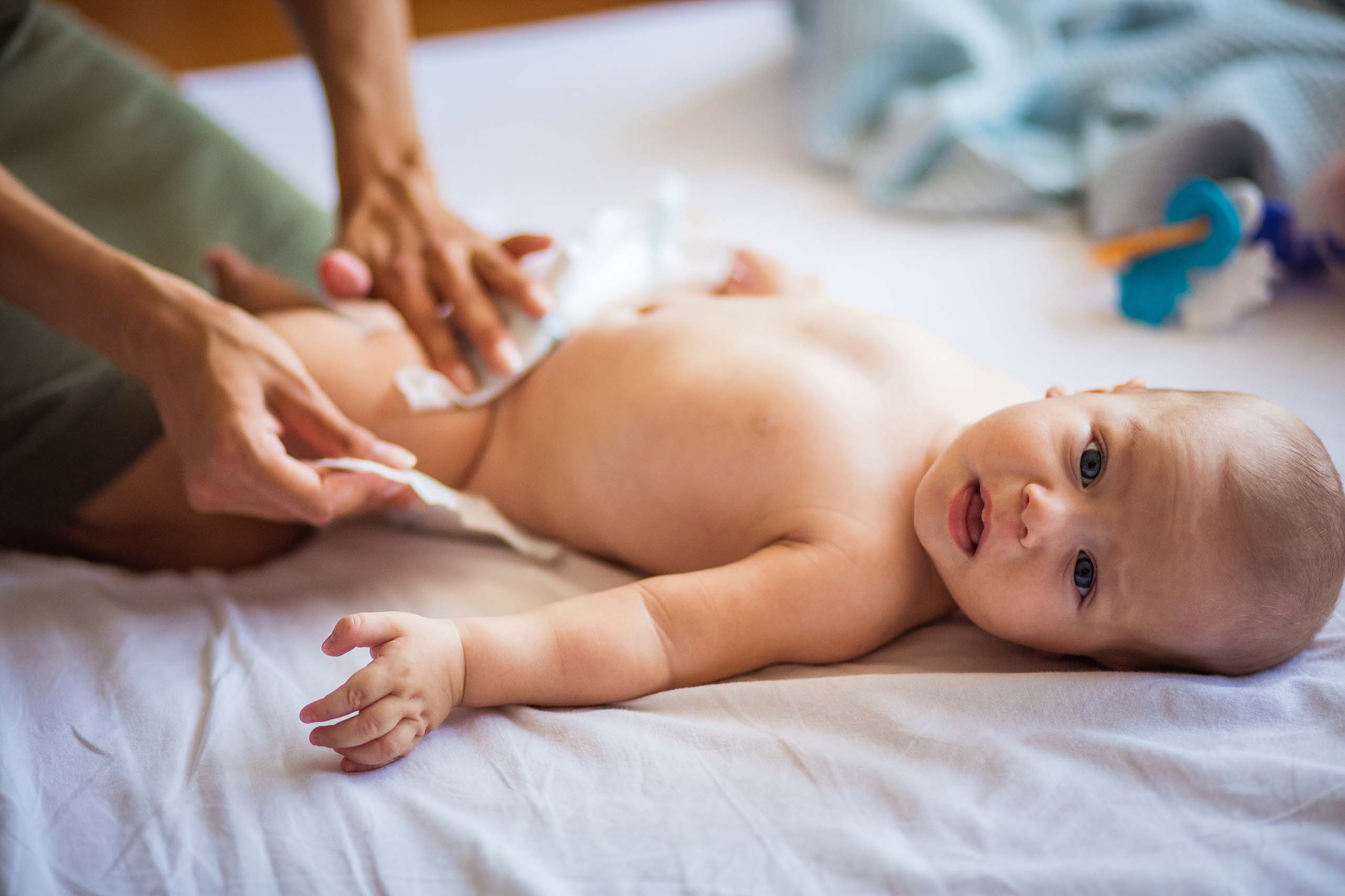
Treatment and Prevention Tips
👶 Keep your baby’s skin clean and dry, change diapers frequently.
👕 Dress your baby in loose, breathable clothing to allow airflow.
💧 Wash your hands and your baby’s skin with mild, chemical-free soap.
🧴 Apply soothing creams containing zinc oxide or petroleum jelly after each diaper change.
🌿 Choose unscented, hypoallergenic diapers and wipes to reduce skin reactions.
🍎 Monitor for possible sensitivities to certain foods, soaps, or detergents.
If the rash worsens, forms blisters, or shows signs of infection, consult a pediatrician immediately.
Diaper rash is a common issue, but it’s not something to panic about. With proper care, attention, and timely treatment, your baby’s skin can recover within just 4–5 days. Understanding the causes, keeping things clean, and acting early are the keys to helping your little one stay healthy, comfortable, and happy every day.



Comments