
Artificial Intelligence (AI) is no longer just a futuristic concept we used to see in sci-fi movies. Today, it has gradually become part of our daily work and life, thanks to the internet making advanced technology accessible to everyone. AI brings countless benefits and has become one of the most talked-about and trending topics in Myanmar as well. But like any innovation, AI comes with both advantages and drawbacks. In this article, we will explore AI’s benefits, challenges, and its often-overlooked impact on the environment.

New Opportunities and Everyday Benefits
AI offers endless possibilities across industries, making tasks faster, easier, and more efficient.
For students and employees: AI can handle repetitive, time-consuming tasks automatically, giving people more time to focus on creative, problem-solving, and critical decision-making work.
For businesses: AI supports market research, inventory management, and data sharing, all of which help companies grow more efficiently.
For healthcare: With proper training and application, AI assists in disease detection, medical analysis, and providing basic health guidance.
For finance: As mobile money becomes more widespread, AI plays a key role in fraud prevention, making transactions safer and more reliable.

Challenges That Come With AI
Alongside its benefits, AI also poses risks and challenges that should not be ignored.
Bias: Since AI depends on the data it is trained on, it can sometimes deliver inaccurate or biased results. Blind reliance is not advisable.
Job displacement: As AI takes over repetitive tasks like data entry or product distribution, human workers may face job insecurity unless they upskill to use AI effectively.
Privacy concerns: AI systems require vast amounts of data. Improper collection or misuse of personal data can lead to security breaches. Strong data protection measures are crucial.
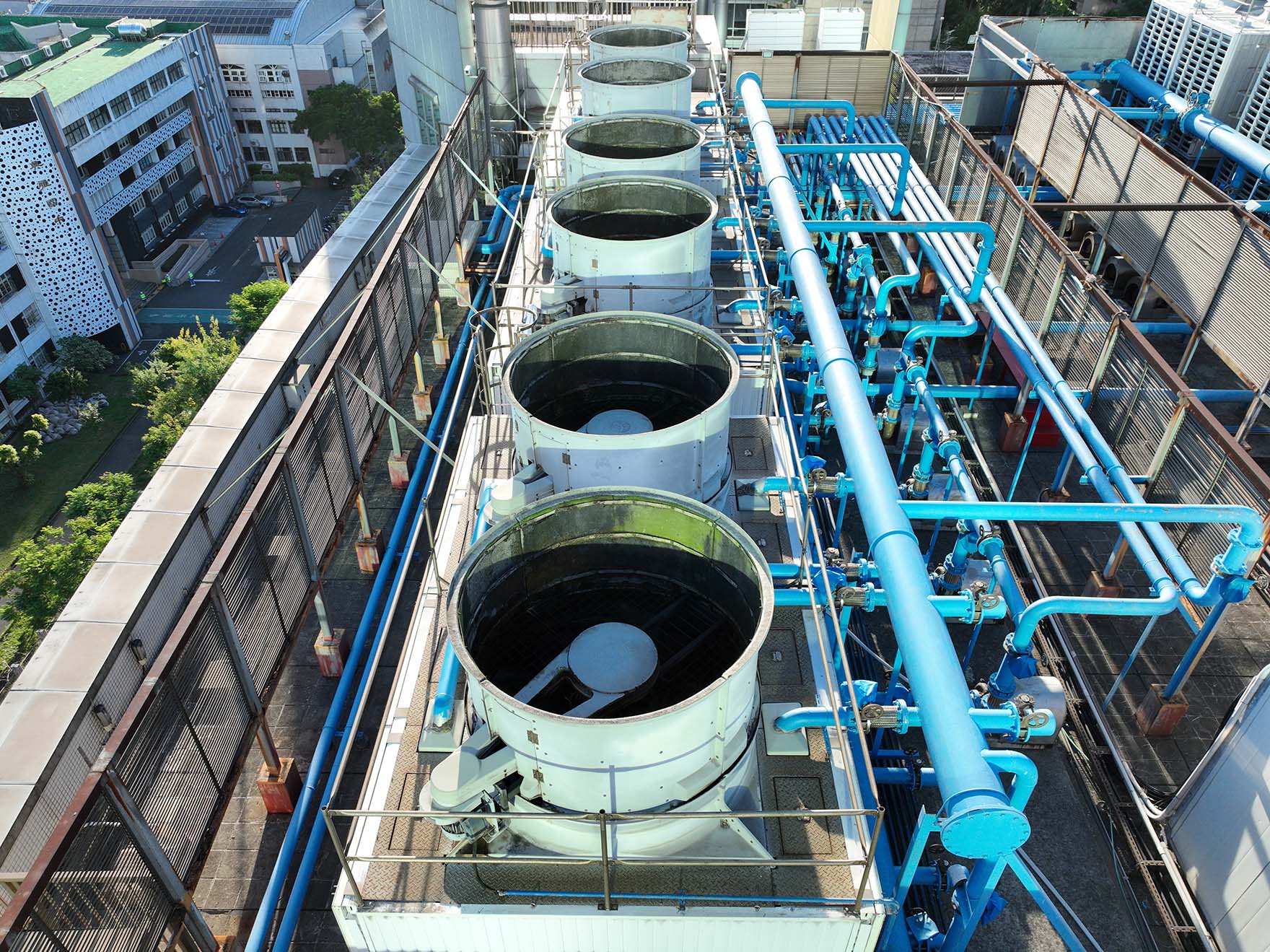
Environmental Impact: The Hidden Cost
Behind AI’s innovation lies a growing strain on the environment:
Energy consumption: Training AI models requires enormous electricity, often generated from fossil fuels, leading to a high carbon footprint. Some data centers consume as much energy as entire towns.
Water usage: AI data centers need large amounts of water for cooling servers. In some cases, the volume is equivalent to what thousands of households would consume.
E-waste: Rapid advances in AI demand frequent upgrades of chips and servers. Disposing of outdated hardware creates increasing amounts of electronic waste, which often contains harmful chemicals that pollute soil and water.
AI has the power to make our lives more efficient and open new doors for growth. Yet, it also brings challenges and environmental consequences we must be aware of. To build a sustainable and advanced future, Myanmar and the world, needs to adopt responsible AI practices, focus on continuous learning, and prioritize environmentally friendly approaches. By striking the right balance, AI can become a tool that not only improves human life but also respects the planet we live on.





Comments