
Raising a child from the moment they enter the world until they become an adult is far more complex than it appears. Alongside social and economic pressures of modern times, guiding and educating a child requires more than passing down personal beliefs or repeating our own childhood experiences. Instead, children need nurturing that aligns with their unique personalities and developmental needs. Without warm, supportive guidance from an early age, emotional challenges can arise and continue to affect them throughout life. In this article, we’ll look at common parenting mistakes that caregivers unintentionally make, unhealthy interactions, ineffective discipline methods, and share healthier ways to guide, support, and nurture children.
Ineffective discipline often starts with impatience, irritability, and not allowing children room to make decisions. Speaking in a harsh tone, raising one’s voice, becoming frustrated at small mistakes, or sighing in front of children can create emotional insecurity for them.

Anger and Verbal Aggression
For many children, emotional wounds come from being yelled at, scolded for small unintentional mistakes, or witnessing conflicts in their surroundings, even if not directed at them. These experiences can lead to fear, anxiety, withdrawal, and long-term emotional difficulties.
To avoid this, it is important for parents to pause and avoid reacting instantly out of anger. Taking just three seconds to breathe and respond calmly can make a major difference.

Doing Everything for the Child
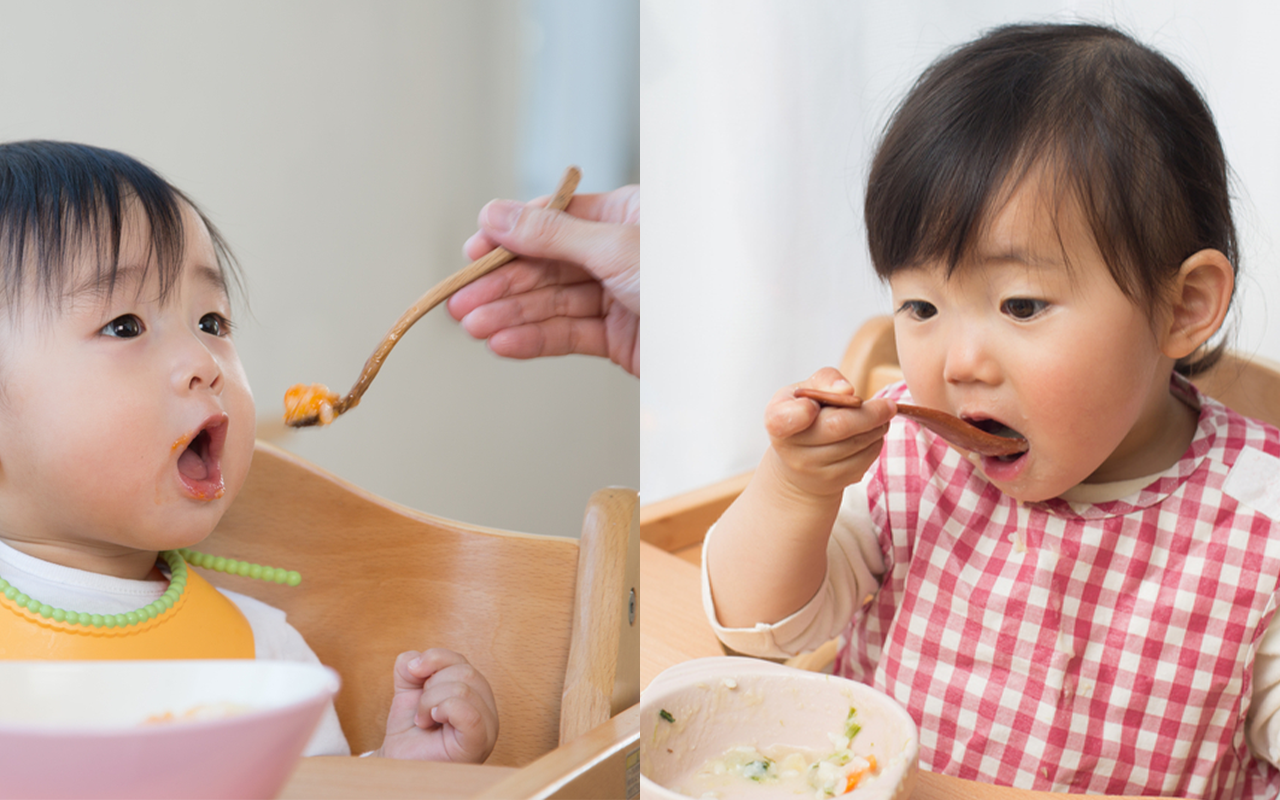
Except for very young toddlers, children should gradually be guided to think, choose, and act independently. Constantly doing everything for them may ease short-term stress, but long-term it can result in dependency, low confidence, and lack of problem-solving skills. Over time, parents may also feel overwhelmed and exhausted.
Instead, assign age-appropriate responsibilities and trust them to try, even if they make mistakes.

Not Understanding the Child’s Real Needs
Many parents rely heavily on how they were raised and assume their own methods are automatically correct. However, today’s world is very different from the past. Children’s needs, environments, and challenges are no longer the same. This makes it essential to listen, understand, and communicate with them instead of enforcing rigid rules.
Parents need to adapt to the child’s individual needs and maintain healthy communication to strengthen emotional connection.
A parent or caregiver’s emotions, communication style, and discipline approach play a huge role in shaping a child’s future. By avoiding these common mistakes and choosing warmth, patience, and understanding, we can help children grow into confident, secure, and successful individuals.



Comments