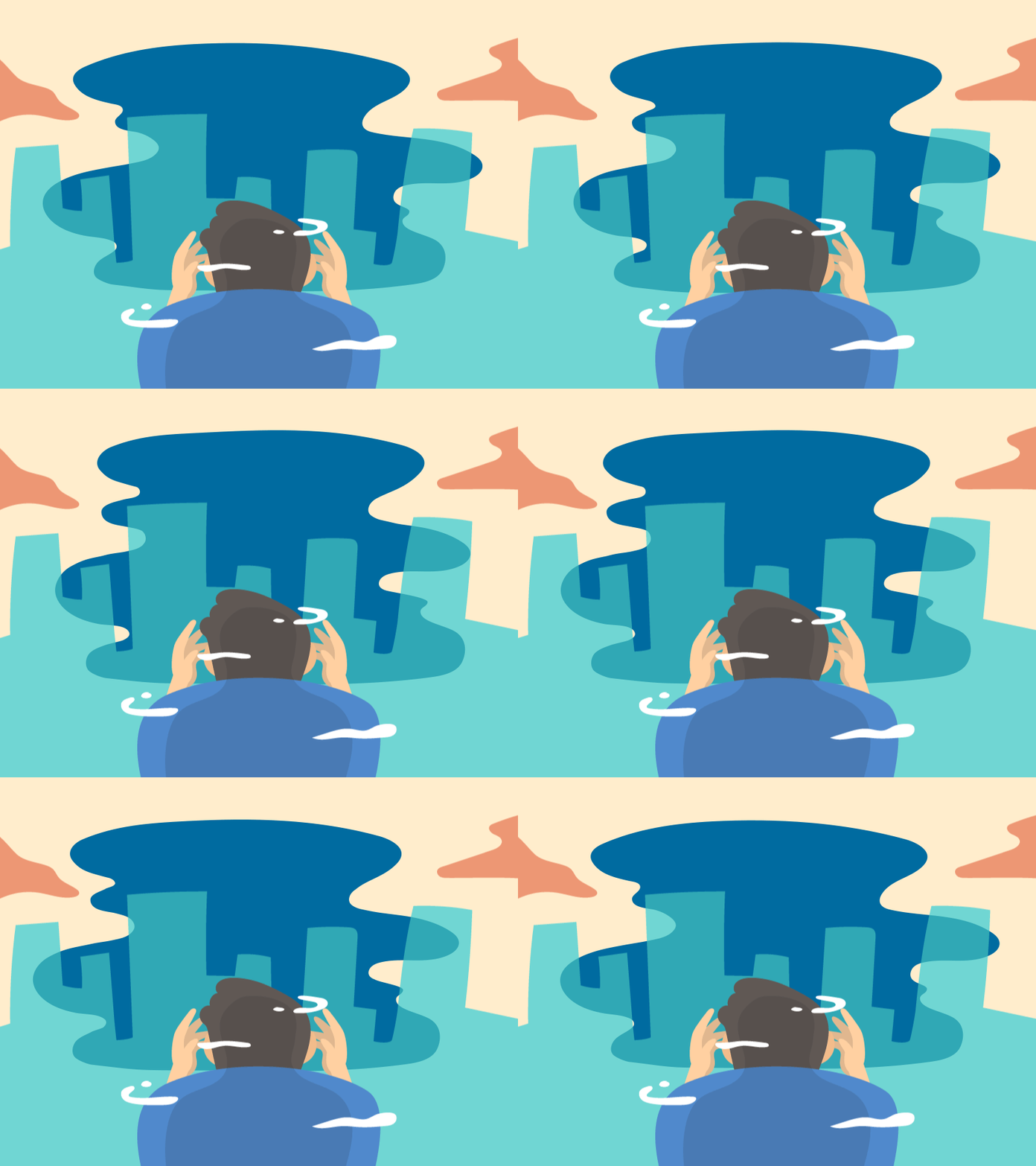
After experiencing a major natural disaster, it’s common to suffer long-term emotional consequences. Losing loved ones—family or friends—as well as homes, personal spaces, or treasured heirlooms can all lead to lasting psychological effects. The more significant the losses, the deeper the emotional wounds, which often come with feelings of grief, sorrow, anxiety, and overwhelming stress. It is crucial to address these emotional impacts as early as possible and explore ways to cope and heal together.
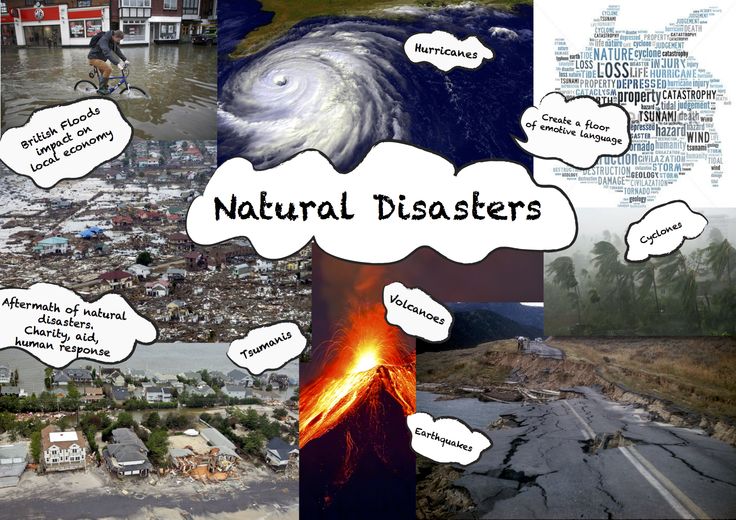
Psychological Trauma You Should Know
After major natural disasters like cyclones, earthquakes, or floods, people commonly experience shock and confusion in the immediate aftermath, often unsure of what to do next. Over time, they may begin reliving the trauma through flashbacks, nightmares, or heightened fear and anxiety. These symptoms can escalate into Post-Traumatic Stress Disorder (PTSD)—a condition where constant fear of recurring disasters affects overall mental and physical well-being. People may become afraid of crowded places or loud noises and experience sleep disturbances, such as insomnia, irregular sleep patterns, or waking up in panic. The pain of losing loved ones and the struggle to rebuild one’s life can lead to ongoing grief and depression. These psychological challenges require serious attention.
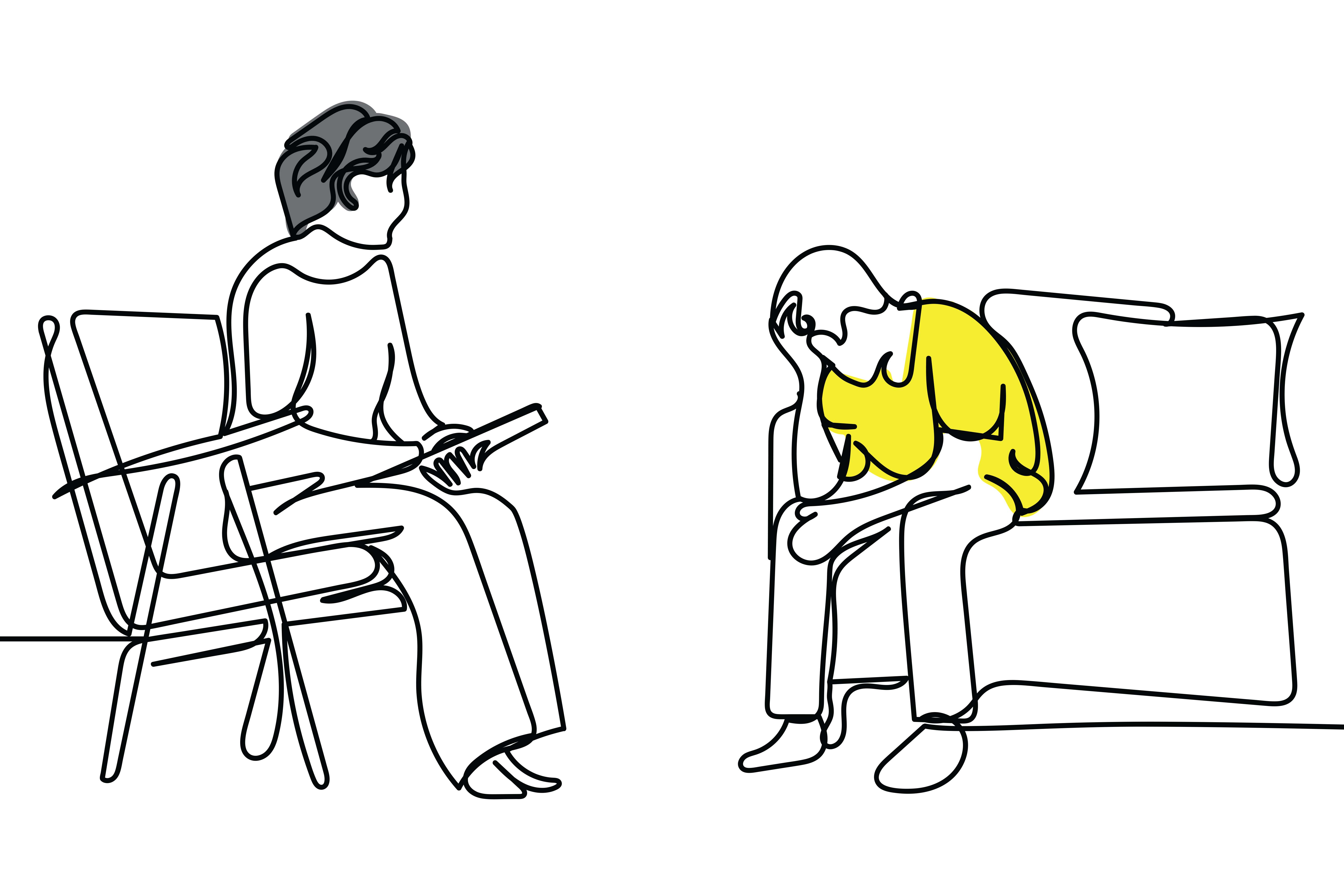
Importance of Mental Health Support
If you are experiencing any of these emotional reactions, know that they are normal responses to trauma. Suppressing or hiding your feelings won’t make them disappear. It’s essential to acknowledge and confront them in order to regain your mental strength. Here are some steps that can help:
Recognize your emotions honestly – Emotions like fear, anger, or confusion are normal. Understanding what you’re feeling is the first step toward healing.
Talk to someone you trust – Sharing your experience and struggles with a friend, family member, or support group can ease mental stress.
Limit social media use – While staying informed is important, overexposure to distressing news can increase anxiety. Be intentional about how and when you consume information.
Create a simple daily routine – After a disaster, many people lose their normal routines. Starting with basic tasks like eating regularly, going for walks, or journaling can help restore a sense of normalcy.
Practice meditation and exercise – Gentle breathing exercises, mindfulness, and calming physical activity can help reduce stress and promote emotional stability.
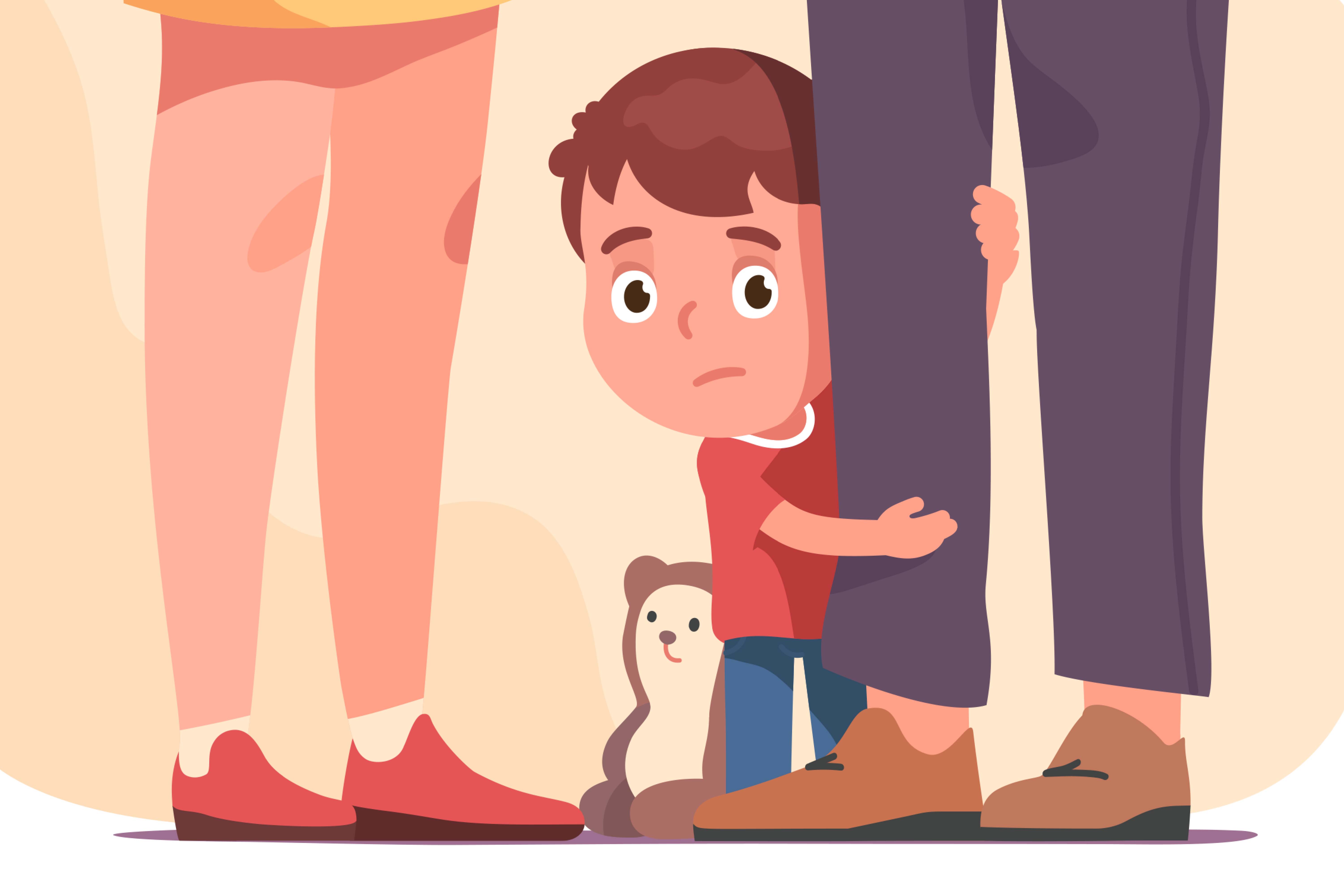
Emotional trauma doesn’t only affect adults—young children can be even more vulnerable. If a child experiences a traumatic event at a young age, it’s important for adults to:
- Explain what happened in a calm and age-appropriate way.
- Keep them in a safe, secure environment and reassure them that the danger has passed.
- Encourage them to express themselves through drawing, storytelling, or play.
- Observe changes in their behavior and seek professional help if necessary.
If emotional distress worsens instead of improving, if PTSD symptoms last more than a month, or if thoughts of self-harm arise, it’s critical to seek help from qualified mental health professionals. Mental well-being should always be a top priority. You are not alone—through mutual support and understanding, we can rebuild and recover together.





Comments