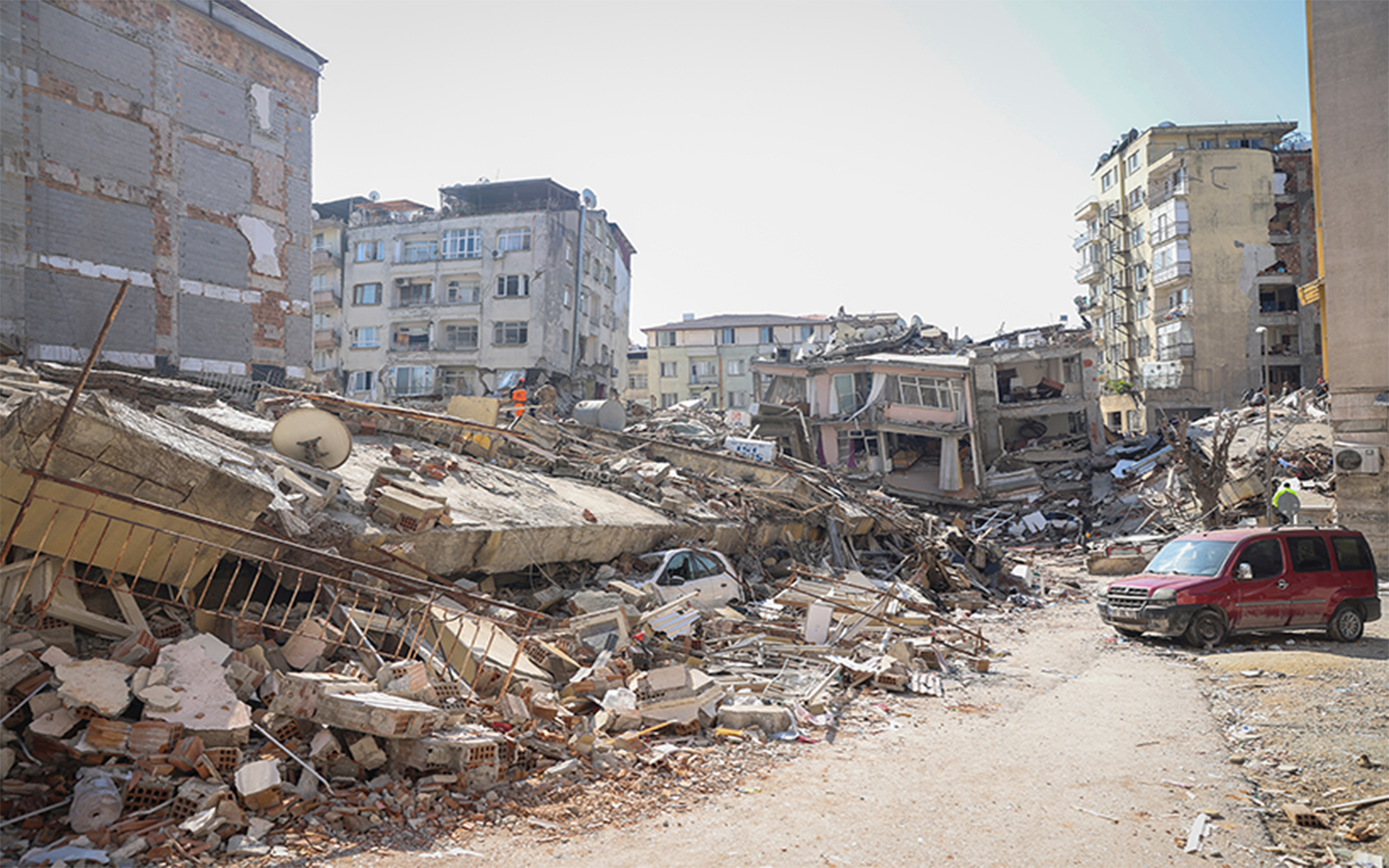
Unlike storms, floods, tsunamis, or tornadoes, earthquakes are natural disasters that cannot be predicted in advance. This makes it crucial to stay alert and react quickly when an earthquake strikes. Here are some essential safety tips to minimize risks during an earthquake.
What is an Earthquake?
The Earth's crust is similar to a cracked eggshell, with multiple fault lines where tectonic plates meet. When these plates grind against each other, the sudden movement causes the ground to shake—this is what we call an earthquake. Earthquakes can happen anywhere at any time, but they are more common in areas where tectonic plates meet. Myanmar sits on the Sagaing Fault, one of the major fault lines, making the country prone to earthquakes. After a major earthquake, smaller tremors called aftershocks can continue for hours or even days.
How to Prepare Before an Earthquake
If you live in an earthquake-prone area, preparing in advance can help ensure your safety when disaster strikes. Here are some key precautions:
- Plan Your Escape Routes: Identify safe routes from your home, workplace, and children's schools to open areas. Since internet services may be disrupted, print out maps showing evacuation routes and meeting points for family members.
- Emergency Contact List: Write down the phone numbers of family members, friends, and emergency services and keep a copy in your emergency kit.
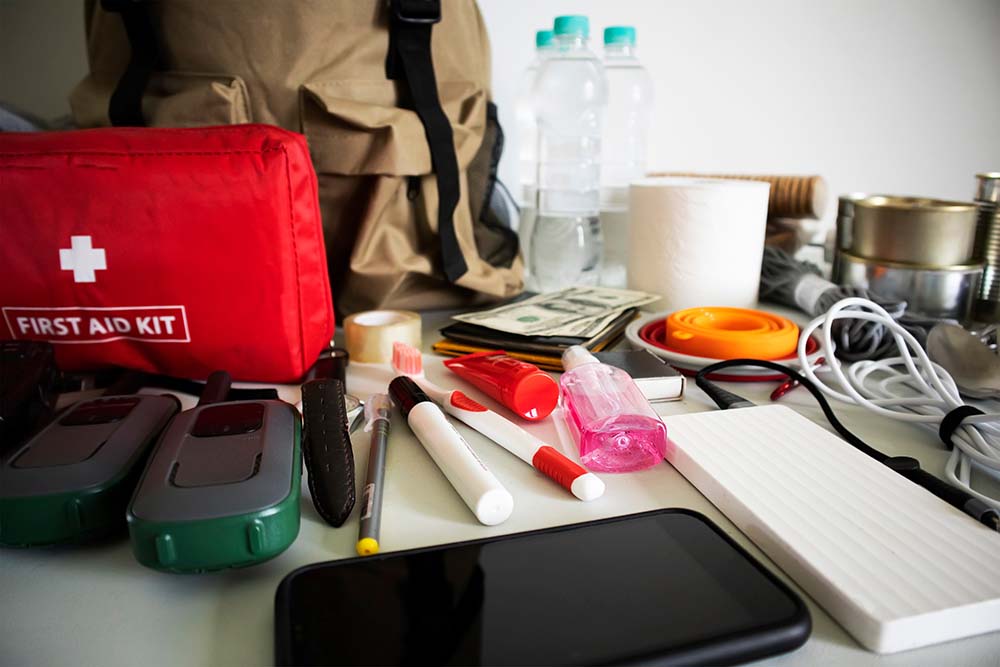
- Emergency Kit: Prepare a bag with at least three days' worth of non-perishable food, water, medicines, a flashlight, a lighter, a first-aid kit, power banks, important documents, and some cash.
- Drills and Practice: Conduct emergency drills with family members, especially children, two to three times a year. Ensure they understand the evacuation plan and address any concerns they may have.
 What to Do During an Earthquake
If You Are Indoors:
- Drop Down: Sit or crouch on the floor.
- Take Cover: Hide under a sturdy table or hold onto strong furniture. Protect your head and neck with your arms to avoid falling debris.
- Hold On: Stay in position until the shaking stops. Avoid standing near windows to prevent injuries from breaking glass.
If You Are Outdoors:
- Move away from buildings, trees, power lines, and anything that might collapse. Stay in an open area and remain on the ground until the shaking stops.
If You Are on Car or Train:
- If you are on public transport, remain seated and follow safety instructions. If you are driving, pull over to a safe location and stay inside your vehicle with your seatbelt fastened.
After an Earthquake
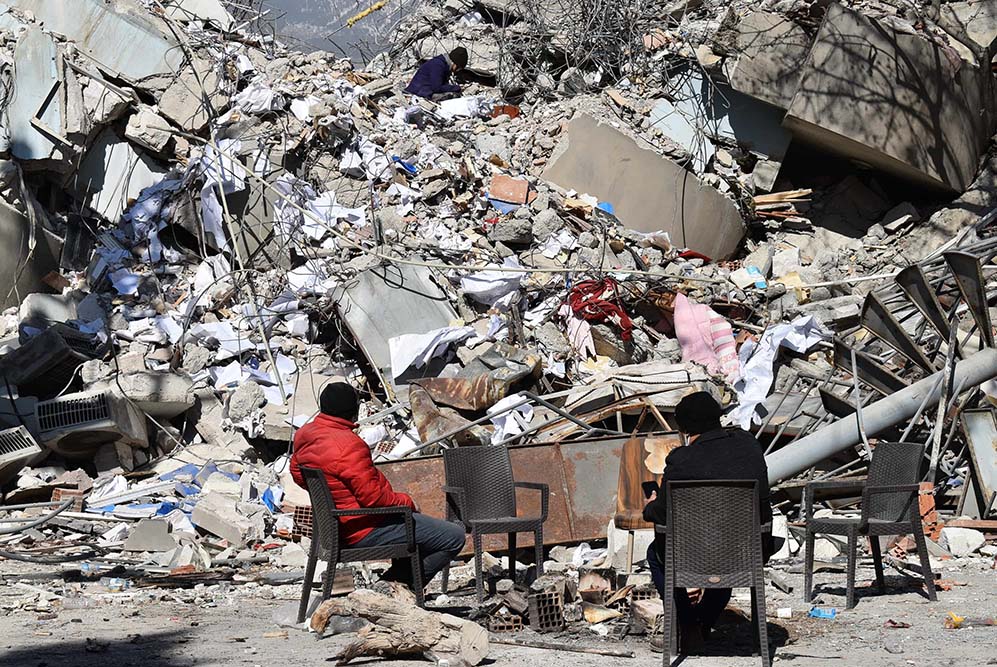
- Evacuate Safely: Check for structural damage and avoid buildings that show signs of collapse. Use stairs instead of elevators.
- If Trapped: Cover your mouth and nose to avoid inhaling dust. Knock on a wall or pipe to signal rescuers instead of shouting to conserve oxygen.
- Seek Help: Stay updated on relief efforts, look for safe drinking water and food supplies, and notify family members of your location. If evacuating, turn off gas supplies to prevent leaks.
Earthquakes can cause loss of life, property damage, and emotional distress. The recovery process may take a long time, but it is important to remember that these events are beyond our control. Supporting each other and staying strong will help everyone move forward together. Stay safe, and let’s overcome this together!





Comments