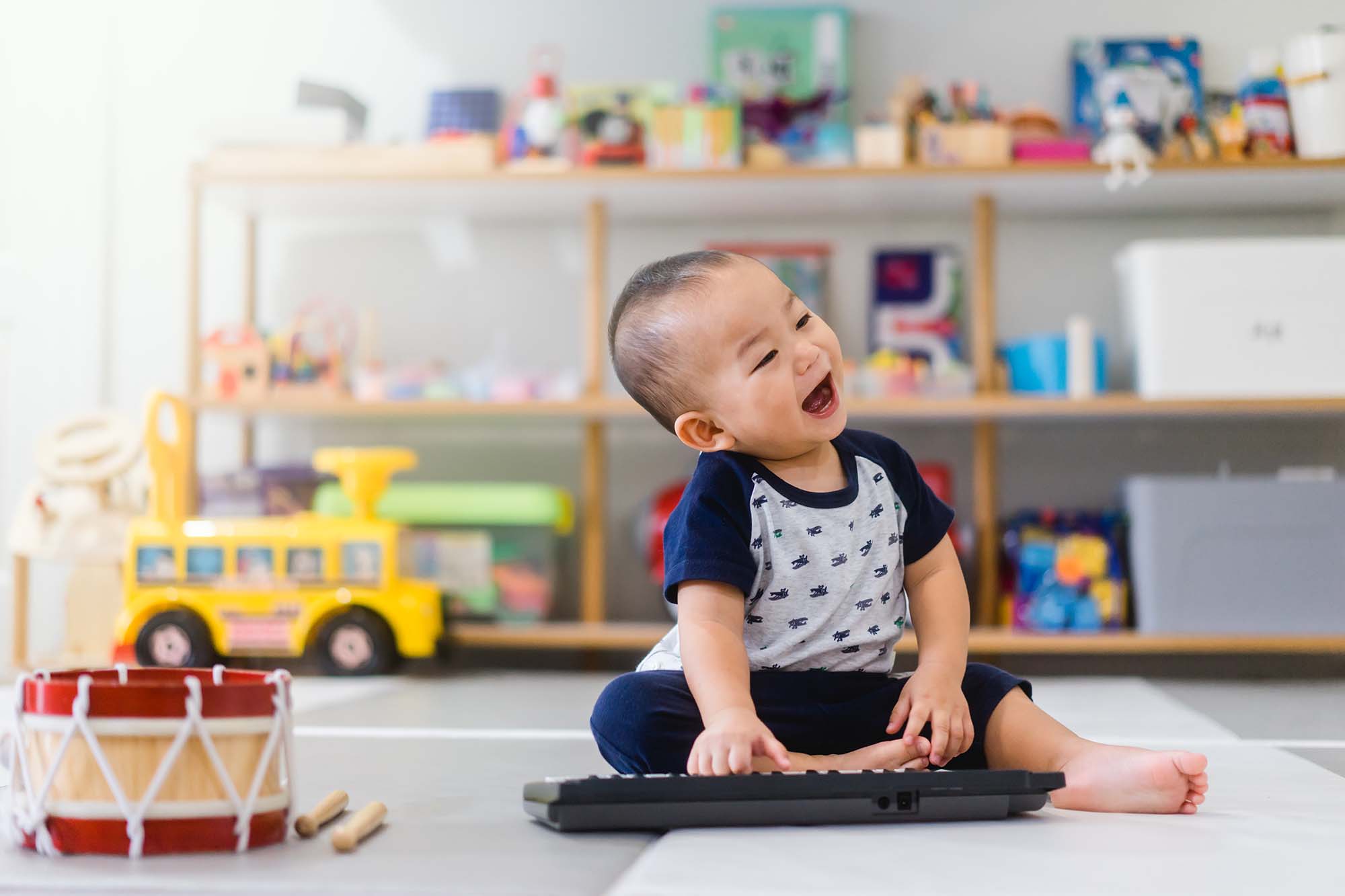
Parents are always ready to create and provide the best for their little ones, who bring so much love and joy into their lives. Beyond ensuring their child's health and growth, creating a dedicated, clean, and safe space for learning, playing, and relaxing at home is a key part of nurturing their development. In many Asian households, limited space or the need for close supervision may prevent having a dedicated corner for babies or toddlers. However, as children grow, having their own space—whether a small nook or a cozy corner—becomes essential for fostering independence and curiosity.

The Benefits You Might Not Realize
Most parents instinctively want to spend as much time as possible caring for their little ones, ensuring both their emotional and physical needs are met. But a dedicated space can provide more than just a safe environment; it encourages exploration, independence, and self-discovery. By creating a space free from hazards—such as sharp objects, cords, or unstable furniture—you give your child a secure place to play and grow. It’s also a great way to organize toys and learning tools that support their mental and physical development while freeing up parents to focus on other daily tasks.
How to Create a Functional and Safe Space
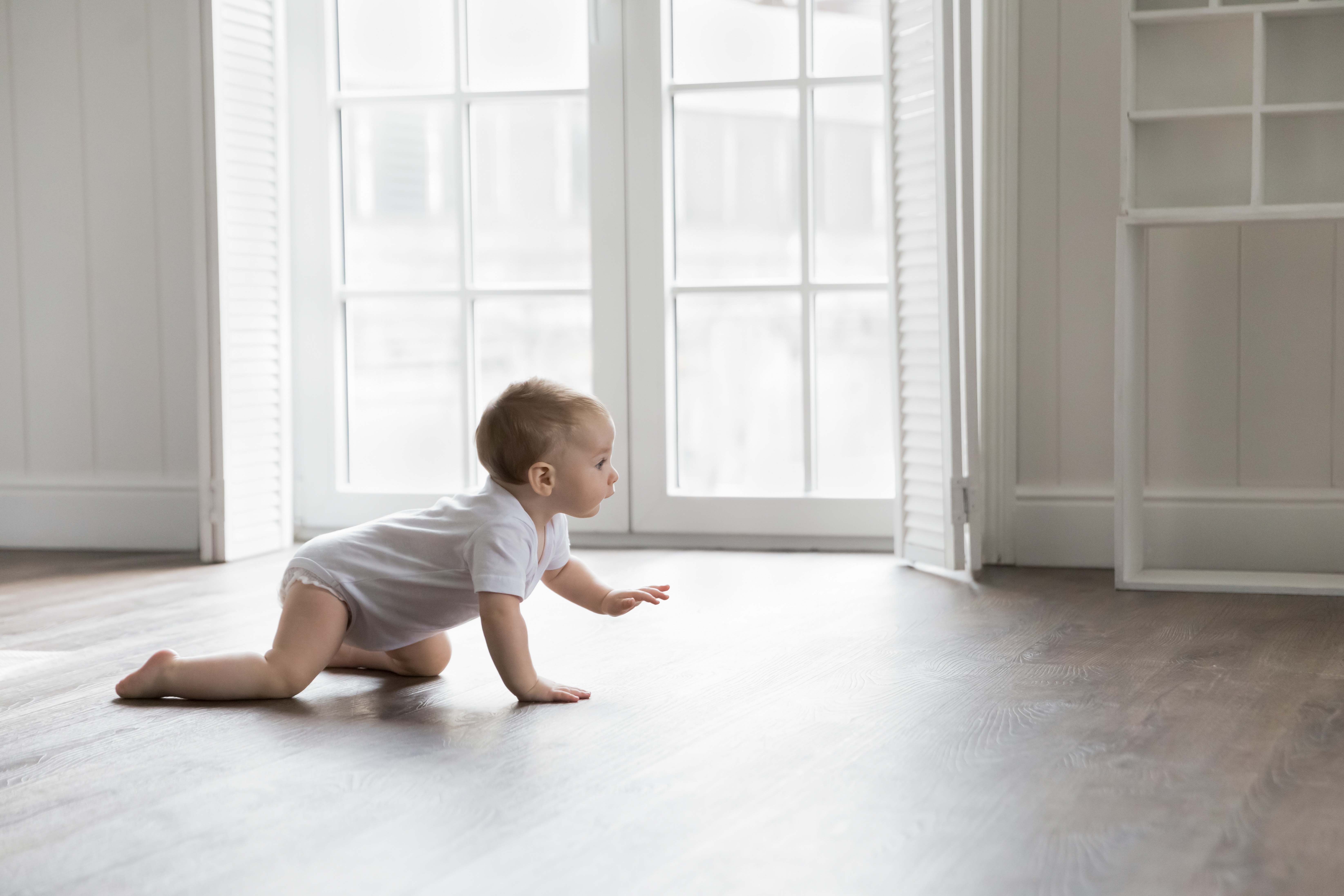
A nurturing environment is crucial for stimulating your baby’s brain, attention span, and creativity. If a dedicated room isn't an option, consider repurposing a corner of your living room, a balcony with good ventilation, or any safe and comfortable spot at home. Make sure to baby-proof the area by covering electrical outlets, removing sharp or heavy objects, and securing furniture. Add soft materials, wooden toys, family photos, music accessories, and sensory play items to make the space engaging and warm. Cleanliness is key—regularly sanitize toys and items to maintain a healthy environment for your little one.
Incorporating a Montessori-Inspired Environment
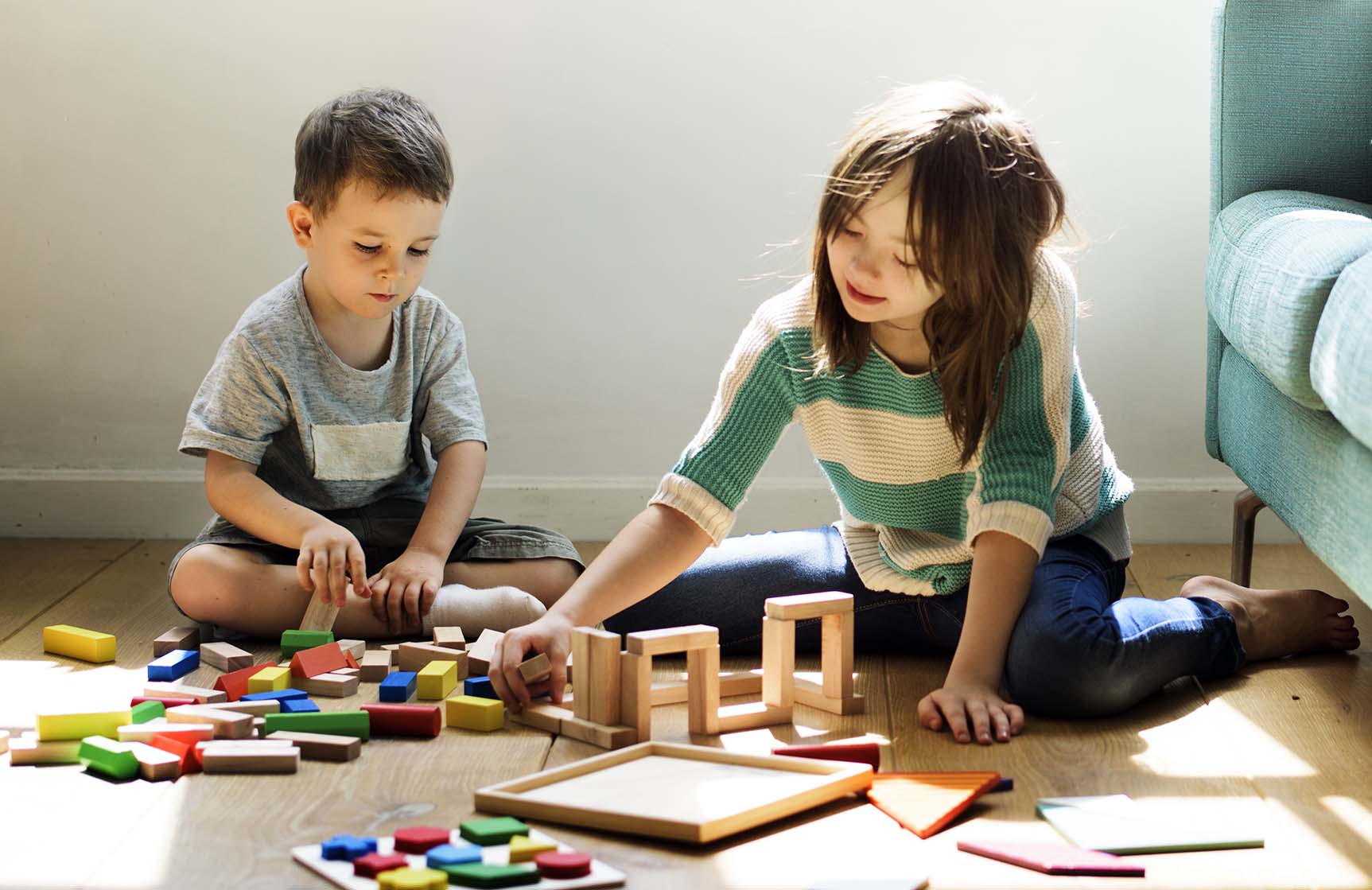
For parents embracing the Montessori method, creating a space at home that encourages independence and exploration is essential. Montessori is a child-centered approach that supports learning through discovery, using materials suited to their developmental stage. Include natural materials like wooden blocks, fabric toys, and textured items to stimulate their senses. Simple activities such as sorting objects, carrying light loads, or setting up their play area can teach responsibility while enhancing their life skills. This environment not only nurtures their curiosity but also helps them develop self-discipline and confidence.
With a thoughtfully designed space, you can support your baby's physical development and emotional well-being. By fostering their curiosity and eagerness to learn, you’re building the foundation for a healthy, happy, and independent future.


Comments