
In the previous Episode 3, we discussed the symptoms that were described as the building blocks of mental illnesses. If it does not stop at that stage, it will progress to the Disorders, which we will discuss today.
Before talking about Disorders, it’s better to tell when a condition is defined as a Disorder. In fact, most of the trauma symptoms mentioned in Episode 3 continue to be present at the Disorder stage. The difference lies in the duration and severity. A simple example will make it clearer.
If a person experiences a car accident and has nightmares about the event for about a week, that is a Stage 3 symptom. However, if he continues to have nightmares and difficulty sleeping for about a year, this is already a Stage 4 mental illness condition, or a Disorder.
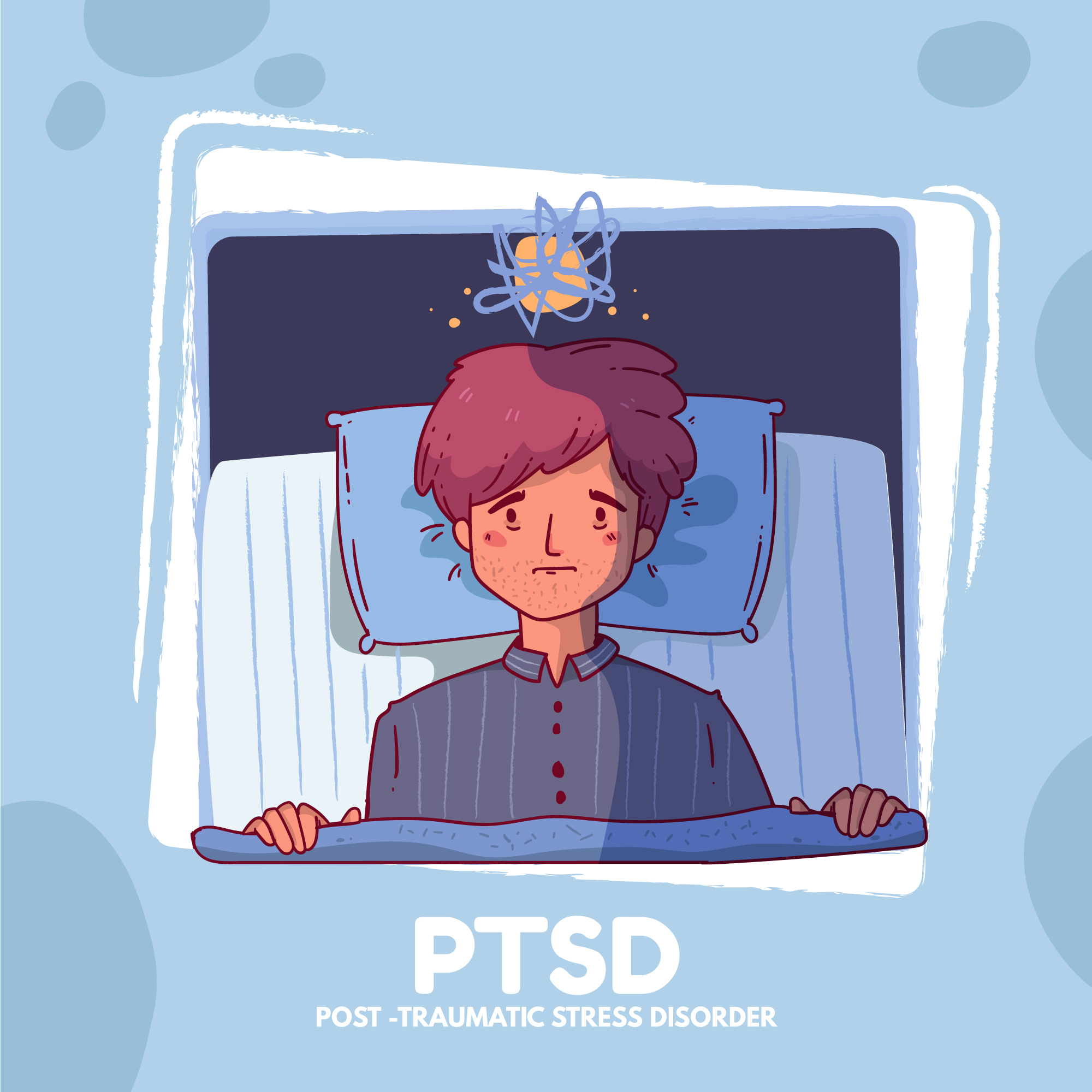
These types of Disorders that occur after traumatic events are called Post-Traumatic Stress Disorder (PTSD).
Two Types of Post-Traumatic Stress Disorder (PTSD)
There are two types of PTSD: simple PTSD and Complex-PTSD (C-PTSD). The main difference between these two depends on the type of events discussed in Episode 1. Single Events can lead to the condition of simple PTSD, whereas Complex/Combined Events can lead to the C-PTSD.
Symptoms
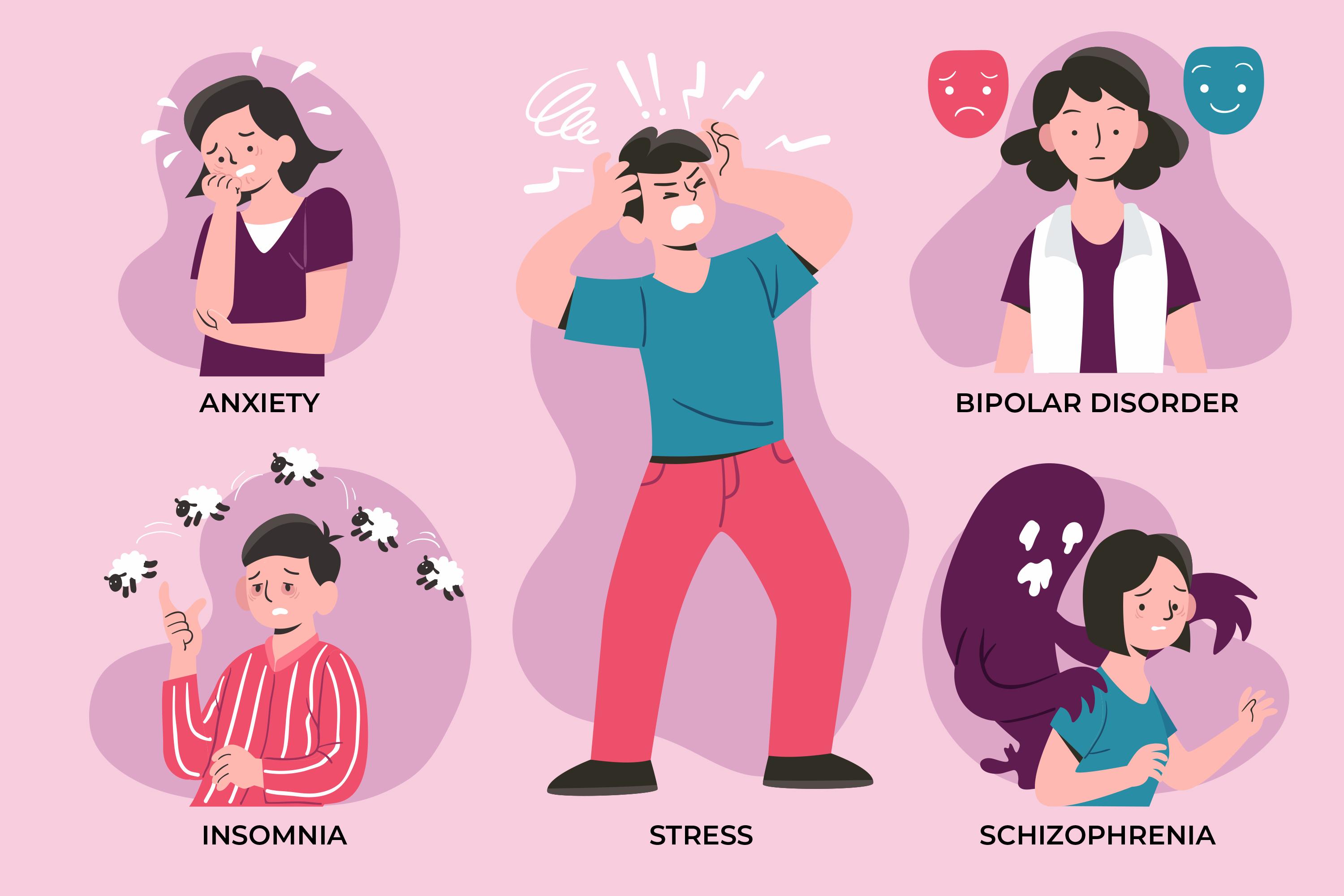
The main symptoms of PTSD include frequent reliving of the traumatic event (flashbacks), nightmares, insomnia, and extreme stress, in addition to all the symptoms mentioned in Episode 3, Dissociation, Hyperarousal & Reactivity, Avoidance, and Negative Cognitions, which usually become more severe.
In C-PTSD, besides those symptoms, there are things like an inability to control overwhelming emotions, a total lack of self-worth that leads to thoughts of ending one's life, completely avoiding people, or repeatedly forming abusive relationships. These symptoms are collectively called Disturbances in Self-Organization (DSO).
Other Disorders
Besides PTSD and C-PTSD, there are other dissociative disorders that can develop. Some of the notable ones include Amnesia, Dissociative Identity Disorder (DID), where one person has different personalities, and Borderline Personality Disorder (BPD), where it is difficult to maintain stability in a given situation. We will discuss these disorders separately.
Overcoming Traumas
How to heal in the earlier stages has been explained in previous Episodes. To overcome Stage 4, the most difficult stage of traumas, what is needed is time. Regular, long-term consultation and treatment with mental health professionals are necessary, and sometimes medications are prescribed for certain symptoms. Generally, stability is built first, and then the person practices getting used to the traumatic events. After that, support is provided for mental recovery and moving forward with life.
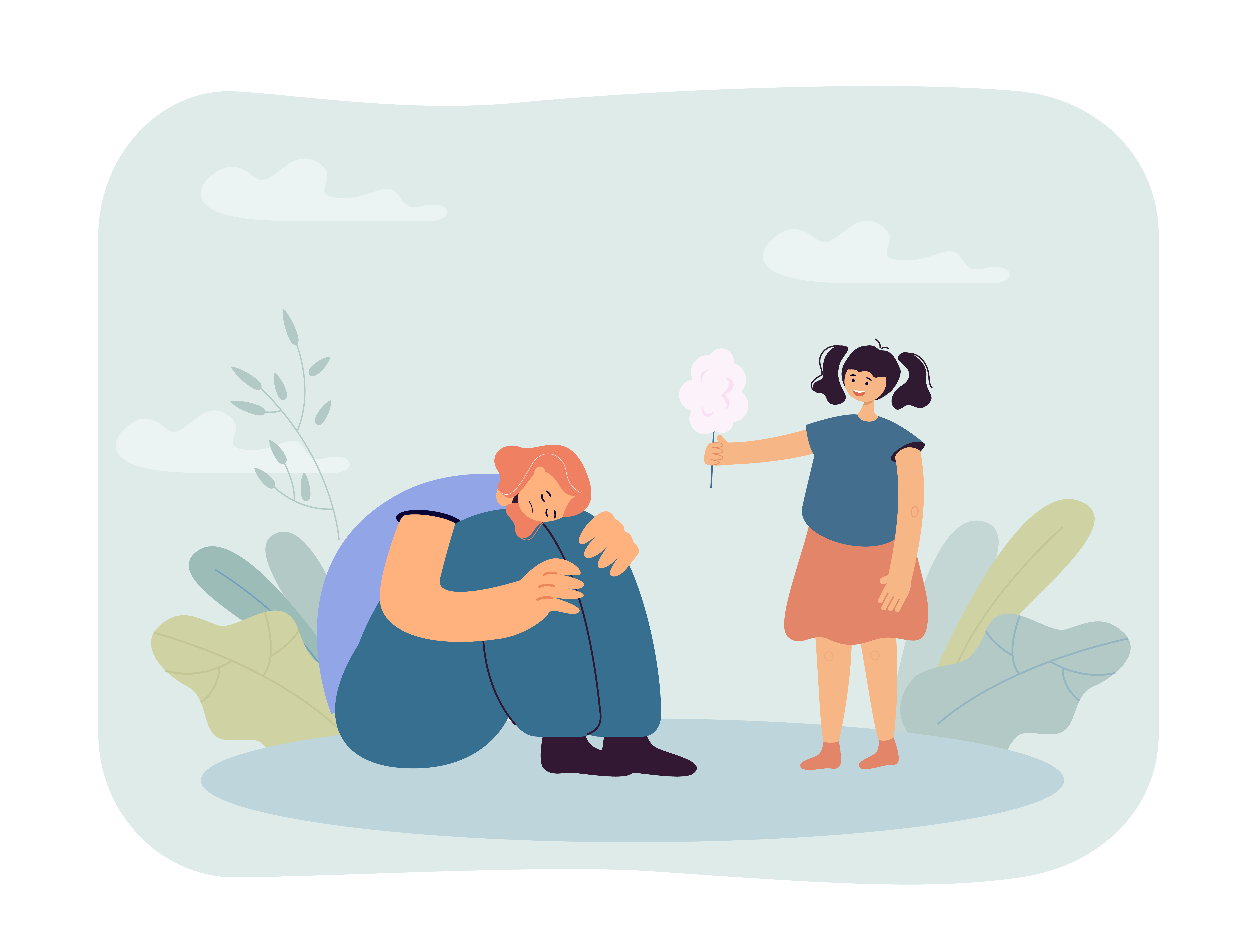 At any stage, the most important things are the warmth, safety, and support from family and friends. Therefore, the most crucial key to overcoming traumas is love, and the door to freedom is having a clear understanding of traumas. By showing you where the door is, I wish everyone freedom from traumas.



Comments