
In the previous Episode, we discussed the first impacts of traumas, described as the first test of traumas. As mentioned there, if one fails to overcome Stage 2, they will reach Stage 3, which we will discuss today. At this stage, more intense symptoms will happen, and these are the building blocks that can lead to Disorders.
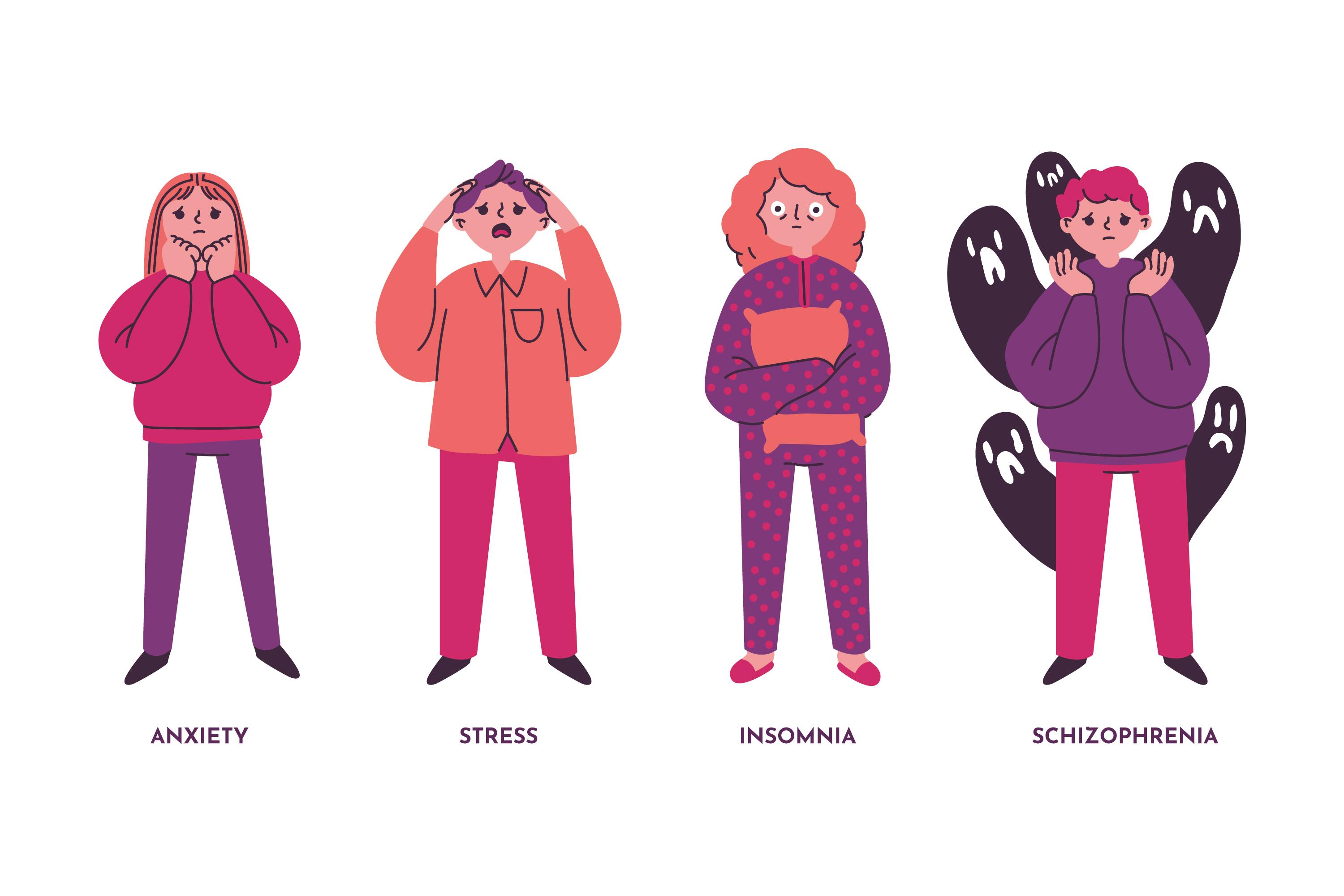
The psychological conditions and symptoms that commonly occur in Stage 3 can be generally divided into four categories. Namely, they are Dissociation, Hyperarousal & Reactivity, Avoidance, and Negative Cognitions.
1. Dissociation
In the context of dissociation, four conditions are often observed: dissociation from feelings, dissociation from memories, dissociation from the real world, and self-dissociation. Dissociation from feelings is clear: a state where one neither cries, laughs, nor feels anything. Dissociation from memories usually involves the loss of memories from the time period when the Traumatic Events occurred. Dissociation from the real world is feeling as though the world is not real. Self-dissociation is unstable sense of self where one is not knowing who he is, what he is doing, or where he is.
2. Hyperarousal & Reactivity
Symptoms of this condition typically include being startled all the time, being easily frightened, having insomnia, having nightmares even when asleep, being irritable and easily explosive, and being unable to concentrate on anything well.
3. Avoidance
There are two types of avoidance. Externally, this usually involves avoiding places, people, and even names and words related to the traumatic events in conversations. Not only externally, but the person may also constantly be fighting a battle alone in their mind to prevent thinking about trauma-related subjects. This can be considered the worst symptom in Stage 3.
4. Negative Cognitions
In this condition, negative thoughts constantly dominate, leading to negative perceptions like: "I am useless" (self), "People are untrustworthy" (environment), or even "This world is a dangerous place" (the whole world). Additionally, the person may constantly blame themselves, and experience only negative emotions like sadness, fear, and anger, as well as a feeling called Anhedonia, the inability to feel pleasure or satisfaction in any way.

Like the Survival Instincts in Stage 2, these symptoms may not occur individually but can occur as a combination. You may also notice that many of these symptoms are like invisible psychological scars and can only be known if the survivor shares them. That is why it becomes more difficult to heal once this stage is reached. For example, even if you want to listen and console them, they will avoid talking about it and suffer alone if they have Avoidance symptoms.
Healing Journey
Therefore, the most important thing at this stage is the survivors themself. First, it is crucial to rebuild their Coping Capacity. Only then can they overcome Avoidance, the worst and most crucial symptom, making the rest easier.
To do so, the survivor needs to gradually expose themselves and get used to trauma-related places, people, and words without avoiding them. During this time, they need constant consultation with a mental therapist, as well as help from family and friends.

If you are a family member or friend, you should show the survivor the good things in the present and help them slowly get used to the traumatic events of the past. You need to give them more love and talk to them about learning to love themselves. The best medicine for traumas is love.
Stage 3 is difficult, but it is possible to stop here. If not, they will reach Stage 4 with the most difficult psychological disorders. We will continue to discuss that in the upcoming Episode 4.





Comments