
The word “Trauma” is being widely used nowadays. What really is a trauma? It’s hard to give a single answer. This is so because the traumatic events themselves, emotional and physical responses of the victim, are all included in defining a trauma.
Traumas need to be healed. However, to implement the right treatment, one must clearly understand the nature and source of the injury. So, for today’s Episode 1, let's discuss the initial events of traumas.

The Big Bangs that Give Birth to the Universes of Trauma
Just as the universe began with the Big Bang in the Big Bang theory, traumas also have such big "explosions." In some cases, there is only one, and in others, there can be more than one. Based on this, Traumatic Events can be generally divided into three types: Single Event, Repeated/Protracted Events, and Complex/Combined Events. Corresponding to these events, psychological injuries can be identified as Acute Trauma, Chronic Trauma, and Complex Trauma.
1. Single Event (Acute Trauma)
In these events, a person experiences a severely distressing event just once, which can instantly lead to a major psychological injury. Such events are unique and typically short in duration. For example, a natural disaster like the big earthquake we faced last summer, or witnessing a traffic accident right in front of you.
2. Repeated/Protracted Events (Chronic Trauma)
Repeated or protracted events are distressing and painful events that occur over a long period and are usually repeating again and again. These situations often lack a clear beginning or end and are difficult to escape. For example, being bullied at school which is often shown in Korean dramas or undergoing difficult medical treatments for an extended time.
3. Complex/Combined Events (Complex Trauma)
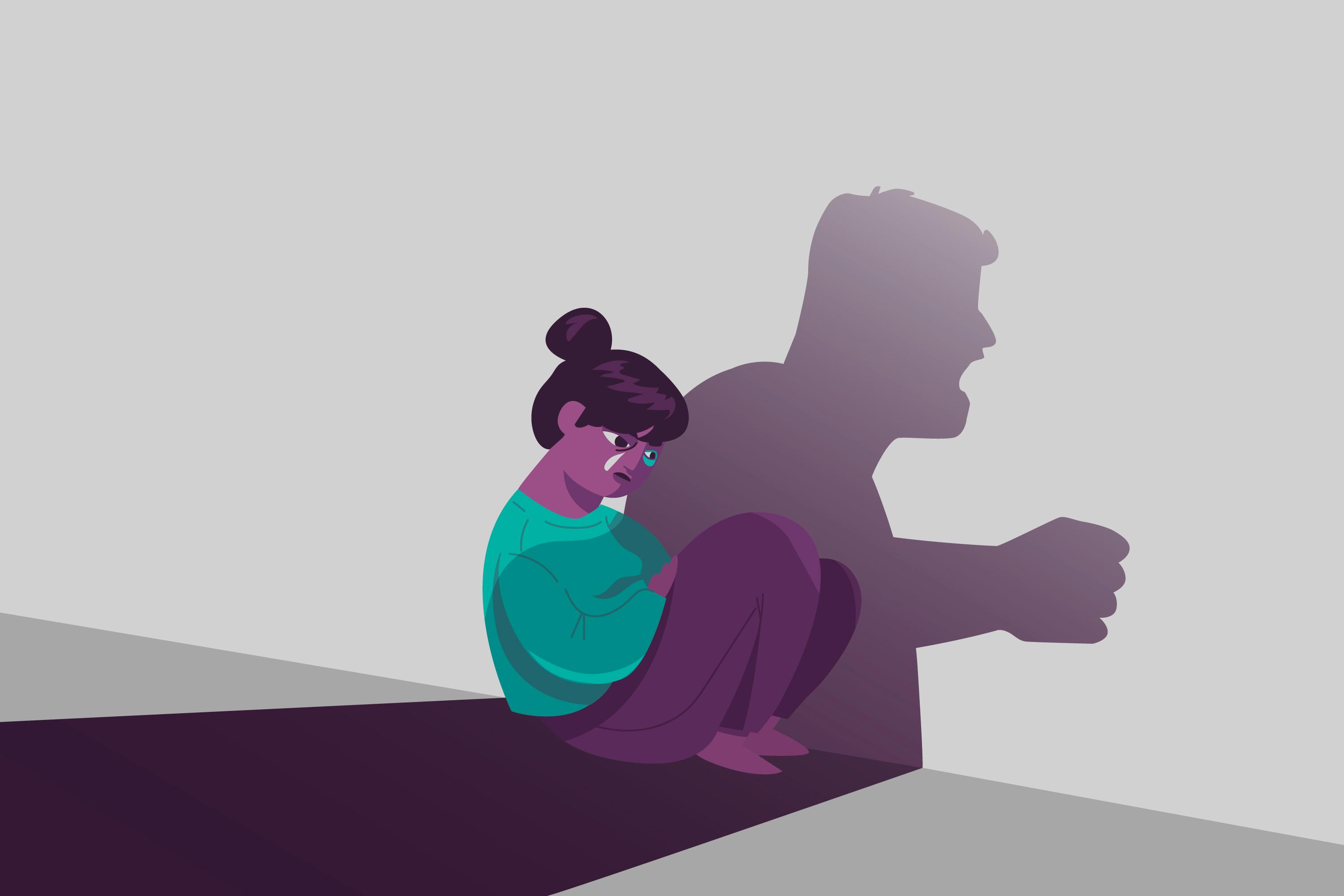
The unique characteristic of these events is that they are actions done by another person, and the victim is dependent on that person in some way. This is why the events are complex, and they often begin from a young age. The most distinct examples include family traumas from childhood, or traumas caused by one's spouse.
These are the general types of events that can be categorized. However, in some situations, the types can be overlapped, not belonging to just one category.
Different Coping Capacities
Let me conclude Episode 1 with this section. Coping Capacity is also an important factor to consider in the development of trauma. An event that surpasses a person's coping capacity becomes a Traumatic Event. Since people's capacities for coping vary, it is natural for one person to not fully understand another person's trauma. However, as a preliminary warning, one should not criticize, or judge others based on this.
Episode 1 covered the initial stage of trauma: the events from which they originate. In the next episode, we will continue the discussion on the second stage: the physical and mental responses, and the subsequent problems that arise.





Comments