In Episode 1, we discussed the initial events of traumas. Today in Episode 2, we will discuss the first impacts of traumatic events and how to prevent them from becoming deeper psychological injuries. This stage is the second stage of traumas.
As mentioned in Episode 1, after experiencing traumatic events that exceed one's coping capacity, the first impact is that the human brain automatically shifts from a normal mode to Survival Instincts mode to escape danger.

In this situation, the brain's normal functions temporarily stop, and it performs only the four Fs, Fight, Flight, Freeze, and Fawn, depending on the event. This differs based on the event and can vary from person to person.
1. Fight
This response is usually driven by anger and rage and involves fighting back either physically or verbally. This is most often seen in Complex/Combined Events involving a person. For example, fighting back against a bully or arguing back verbally.
2. Flight
This response is common in any type of event and is one of the safest and most likely responses. For example, running away from bullies or leaving the scene of an accident.
3. Freeze
This response is when the body or mind automatically becomes numb or stops, either by one's own decision or automatically, to the point where one feels nothing. This is similar to the playing-dead behavior seen in some animals.
4. Fawn
This occurs most often in events involving a person on whom one is dependent. It involves agreeing to everything or accommodating the other person's wishes, either to avoid conflict with the other party or out of fear of being hurt further.

These four Fs are the natural response system to events that exceed one's coping capacity. When Traumatic Events occur, one of these four responses is unavoidable. However, it is possible to prevent the situation from escalating further from this stage. This depends on one's own mental fortitude, and also greatly requires the help of the surrounding environment.
If you, or someone close to you, experiences such events, the most essential things are to reach a safe environment as quickly as possible, to receive sufficient comfort, and to be helped to calmly overcome the experienced events.
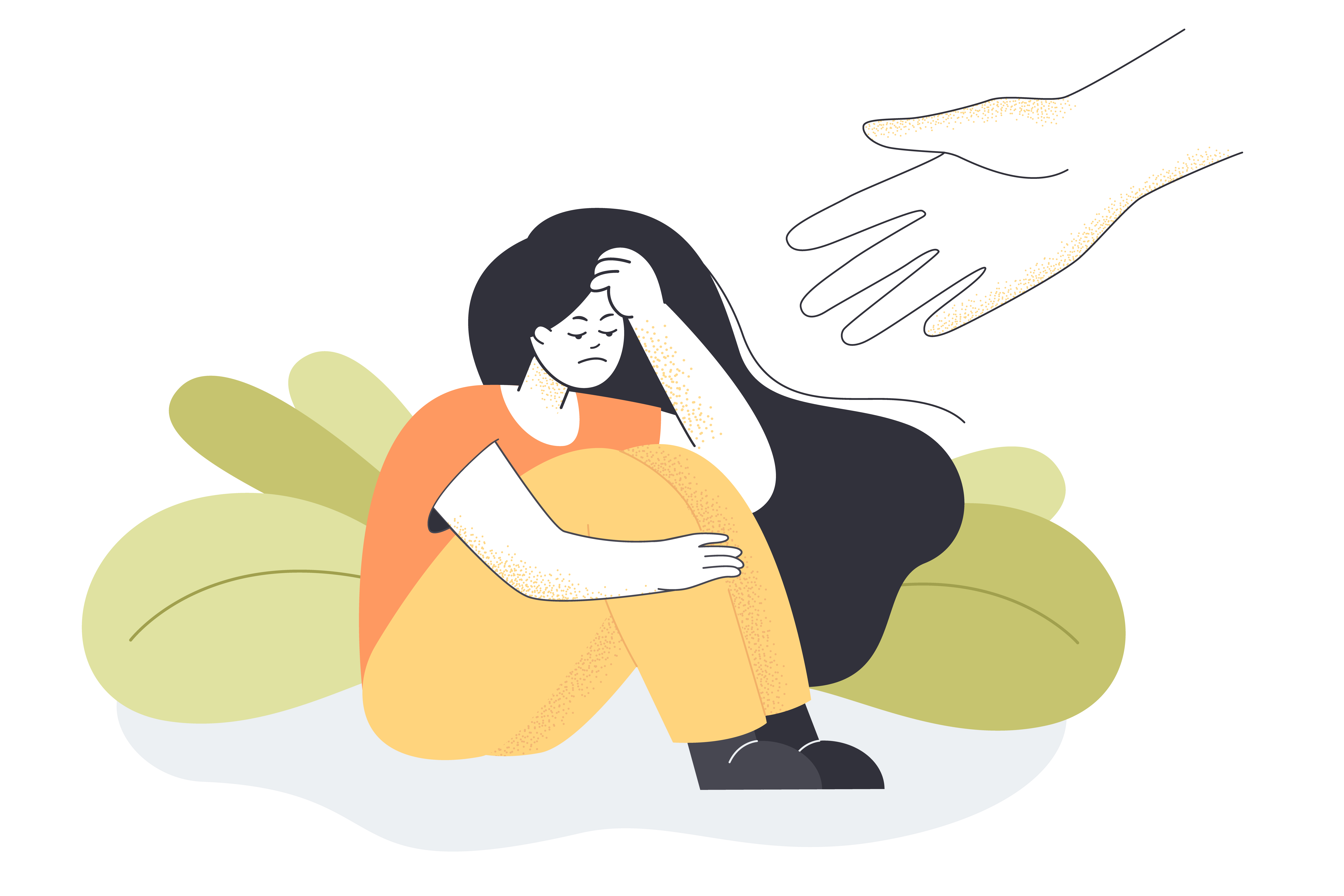
The key actions that should be taken here include the survivors themselves need to leave these events in the past and seek a secure environment going forward. The people around them need to listen and comfort with care, protect against subsequent psychological injuries, and, if necessary, arrange consultations with mental health professionals.
If these steps are not taken, the trauma can progress to Stage 3 and Stage 4, which are more severe and difficult to overcome. We will continue to discuss those stages in the upcoming episodes.





Comments