
For children who are just beginning to explore and learn about everything in the world, the noble habit of "Sharing is Caring" is an essential practice that should be gently integrated into their daily discoveries from an early age. To start this journey effectively and without undue pressure, the most natural way is to weave sharing into their daily routines, playtime, and interactions with parents, siblings, and friends.
If taught incorrectly, children may not perceive sharing as temporarily letting a friend play with a favorite toy; instead, they might feel it is being snatched away, leading to tantrums and tears. To avoid forcing this behavior, let’s look at some practical ways to teach sharing through daily cooperation and gentle guidance.
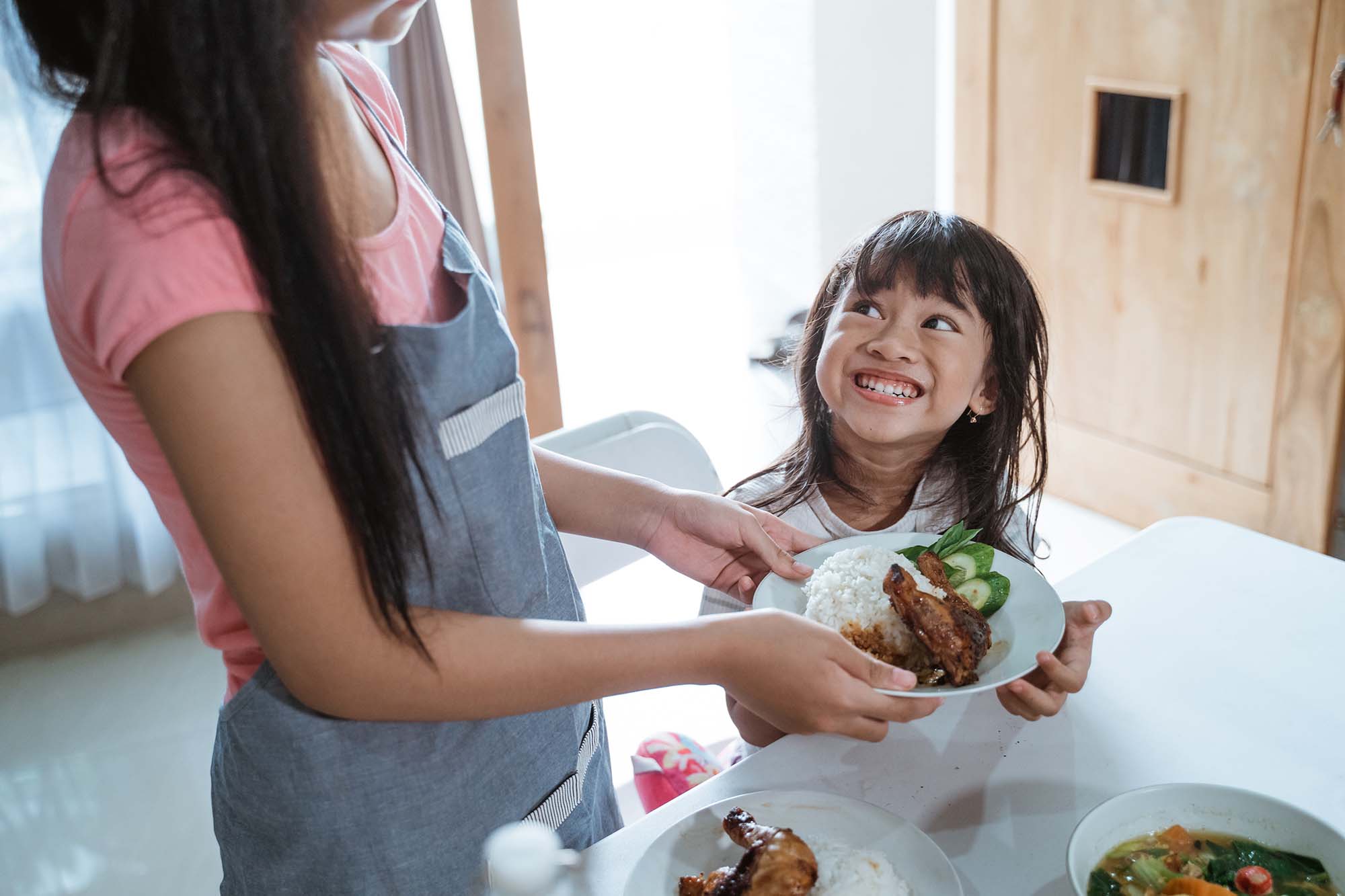
1. Mealtime Sharing
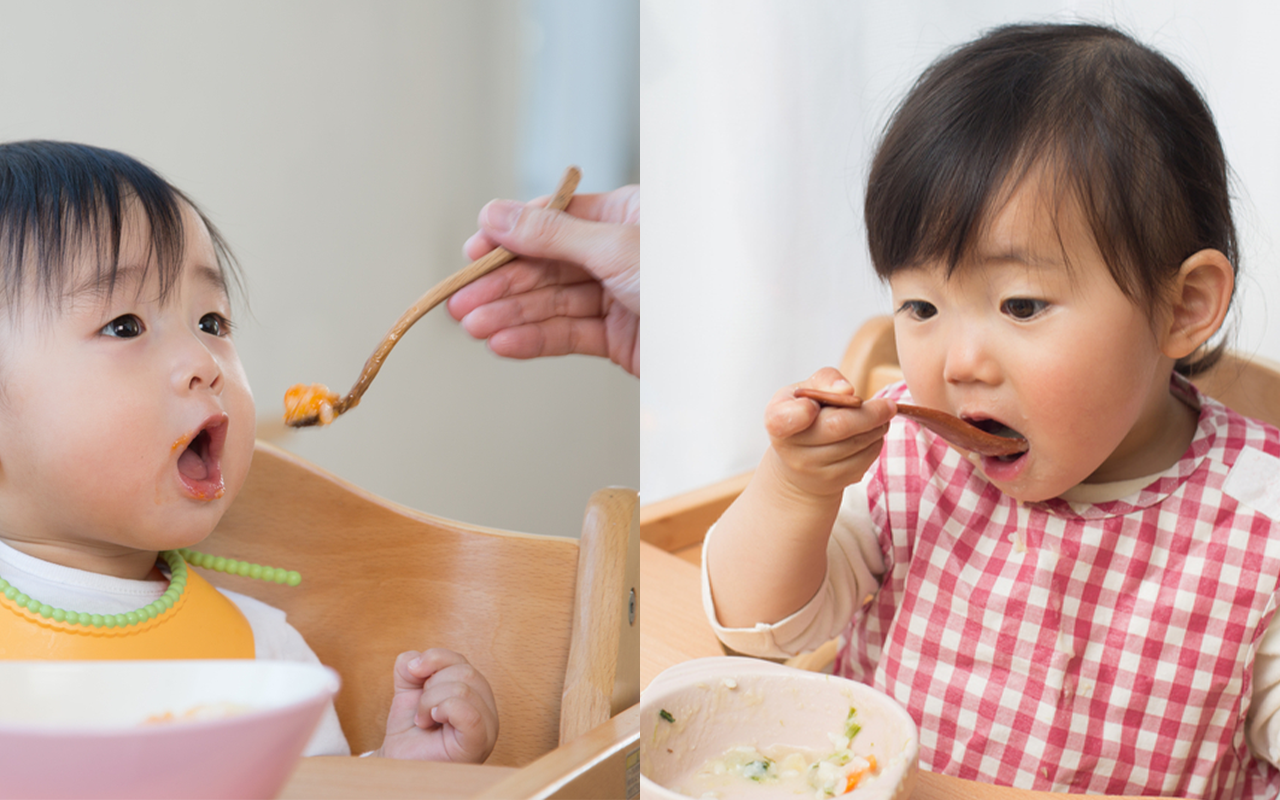
For children who are very fond of food, learning to share can be a bit challenging. However, mealtime with the family is a perfect, natural opportunity. While at the dining table, you can ask your child to pass a dish to an adult sitting nearby. This helps them realize that the whole family is sharing the meal. It is also the best time to teach polite communication and warm phrases like, "Shall we share this with Mommy?" or "Thank you for sharing."
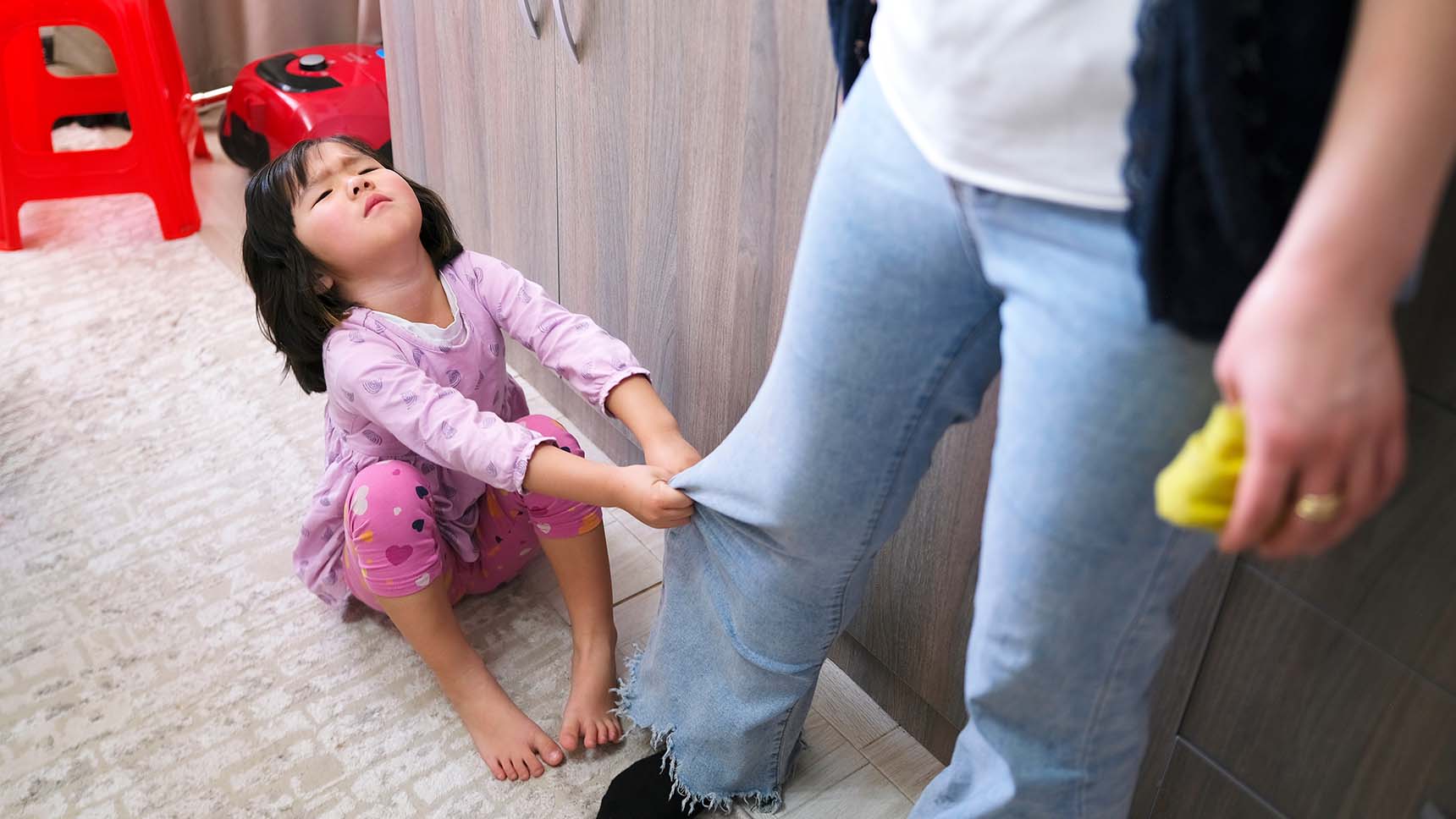
2. Sharing During Exploration and Attention
This can be one of the hardest areas for children. At a young age, they constantly crave their guardian's attention and answers to their endless questions. When adults are busy and unable to focus on them immediately, children can become irritable. It is important to teach them that others also need time and patience. When you are busy, for instance, in the middle of an important conversation, you can negotiate by saying, "I am talking with your Auntie right now; I will talk to you as soon as we are finished." This should be used appropriately as they reach an age where they can understand the value of time and mutual respect.

3. Sharing During Cleanup
Cleaning the house, school, or environment is not a one-person job; it is a team effort. Children need to understand this concept early on. For example, while washing dishes, you can wash the plates and ask the child to help with the spoons and forks. By offering rewards like "Let’s have a snack together after this" or "We’ll go for a walk when we’re done," they will gradually understand the joy of shared work and how teamwork makes tasks faster and more fun.

4. Sharing Supplies and Tools
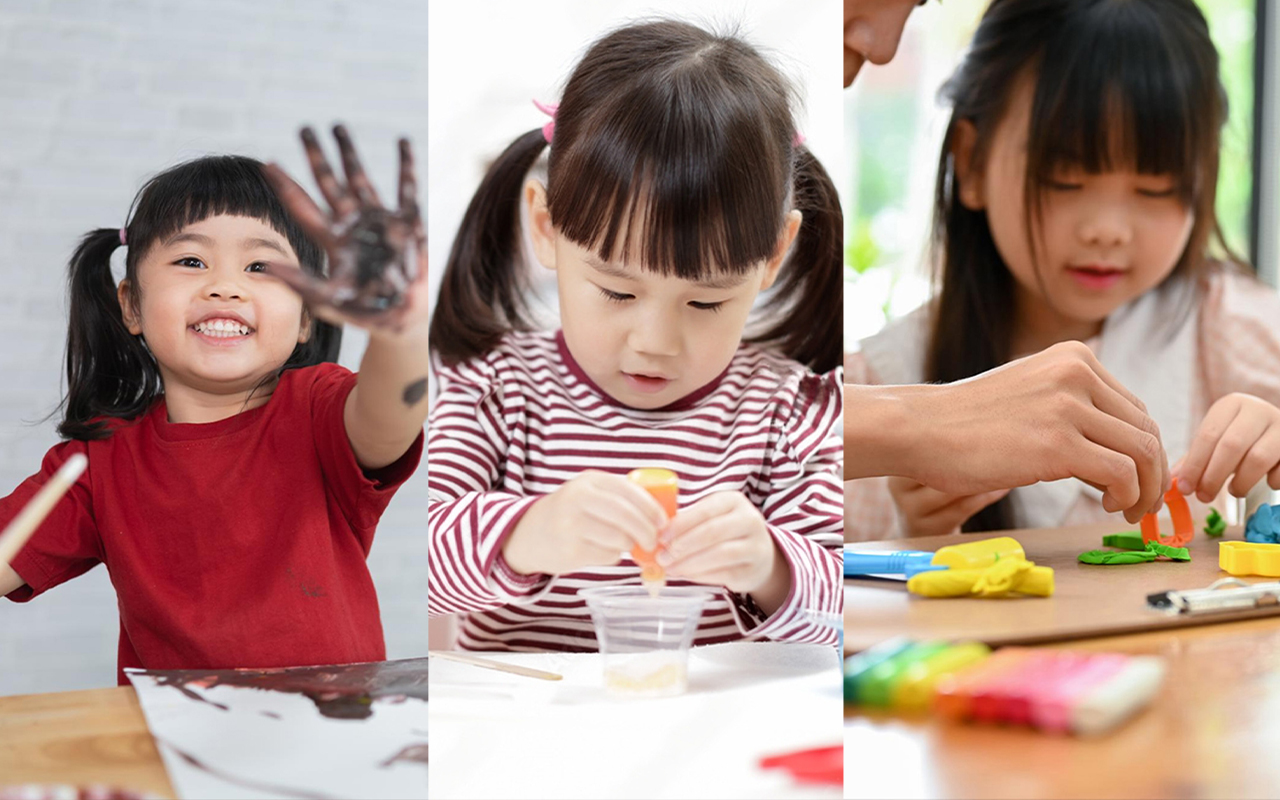
As children reach school age, learning to share stationery in the classroom is a very natural progression. Schools often have limited supplies for activities like writing, drawing, or origami. When two students have to share one pair of scissors, teachers can encourage negotiation skills and sharing habits by teaching them to say, "I need to use the scissors after you finish cutting this paper, okay?"
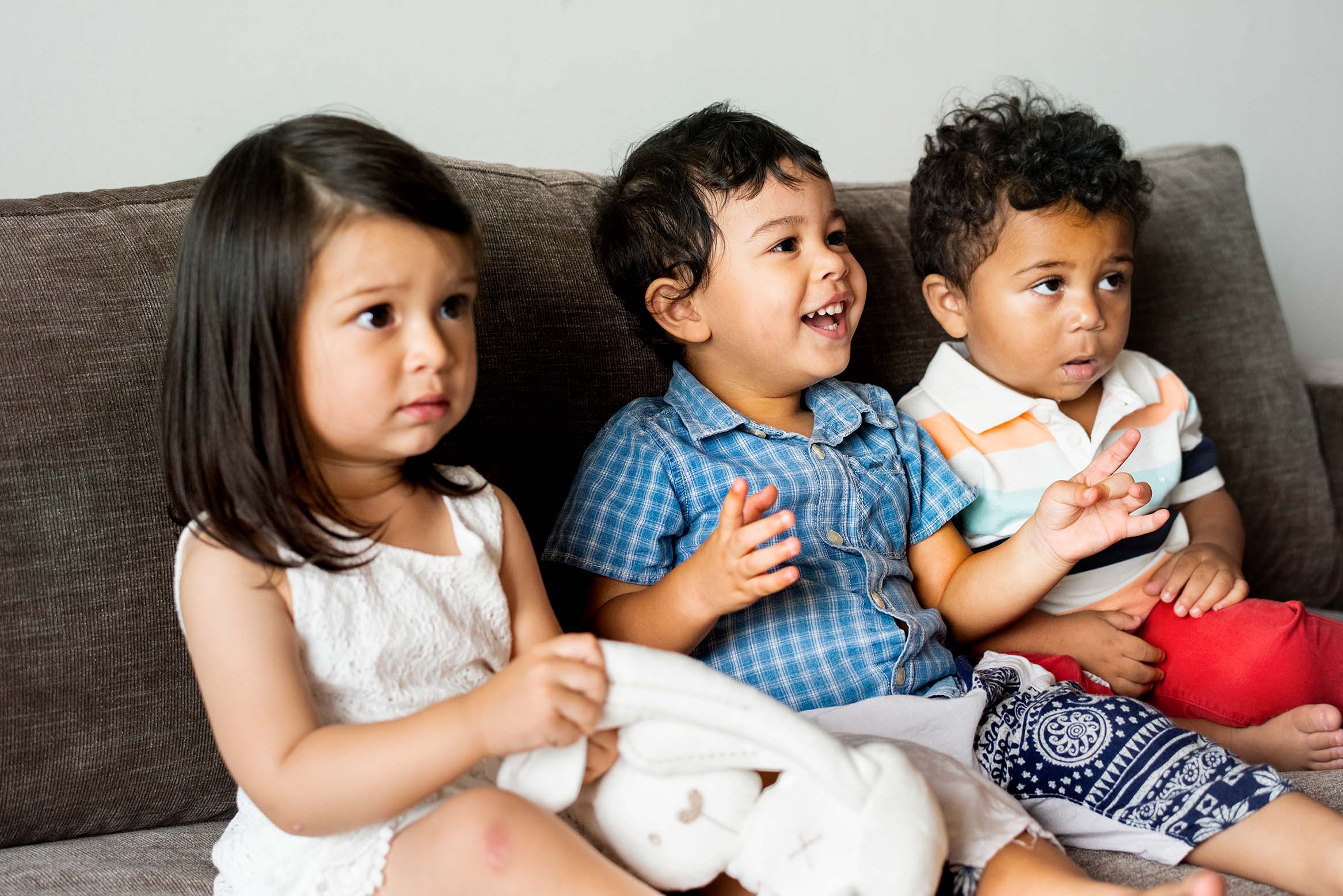
5. Sharing Space and Seating
Practicing empathy by sharing space with acquaintances or those who are physically weaker is a fundamental social ethic. You can start by teaching them to share seating. Creating space for a family member to sit on the sofa shows respect and ensures that everyone is comfortable.
Beyond these tips, remember to recognize and praise your children whenever they practice sharing. This positive reinforcement ensures that these actions become lifelong habits rooted in deep respect and empathy for others.


Comments