
Whether in a romantic relationship or within a family, we all express and receive affection through various "Love Languages." A person might have one primary language or a blend of two or three. Understanding these languages between the giver and the receiver is the key to emotional connection.
Oftentimes, in romantic relationships, one partner might feel, "I love him/her so much, but he or she doesn't seem to realize it." Usually, this isn't due to a lack of love, but rather a "tug-of-war" caused by using different love languages. The problem isn't that you love differently; the problem arises when we refuse to learn and speak our partner's language. To strengthen your bond, let’s explore how to harmonize using these five types of love.
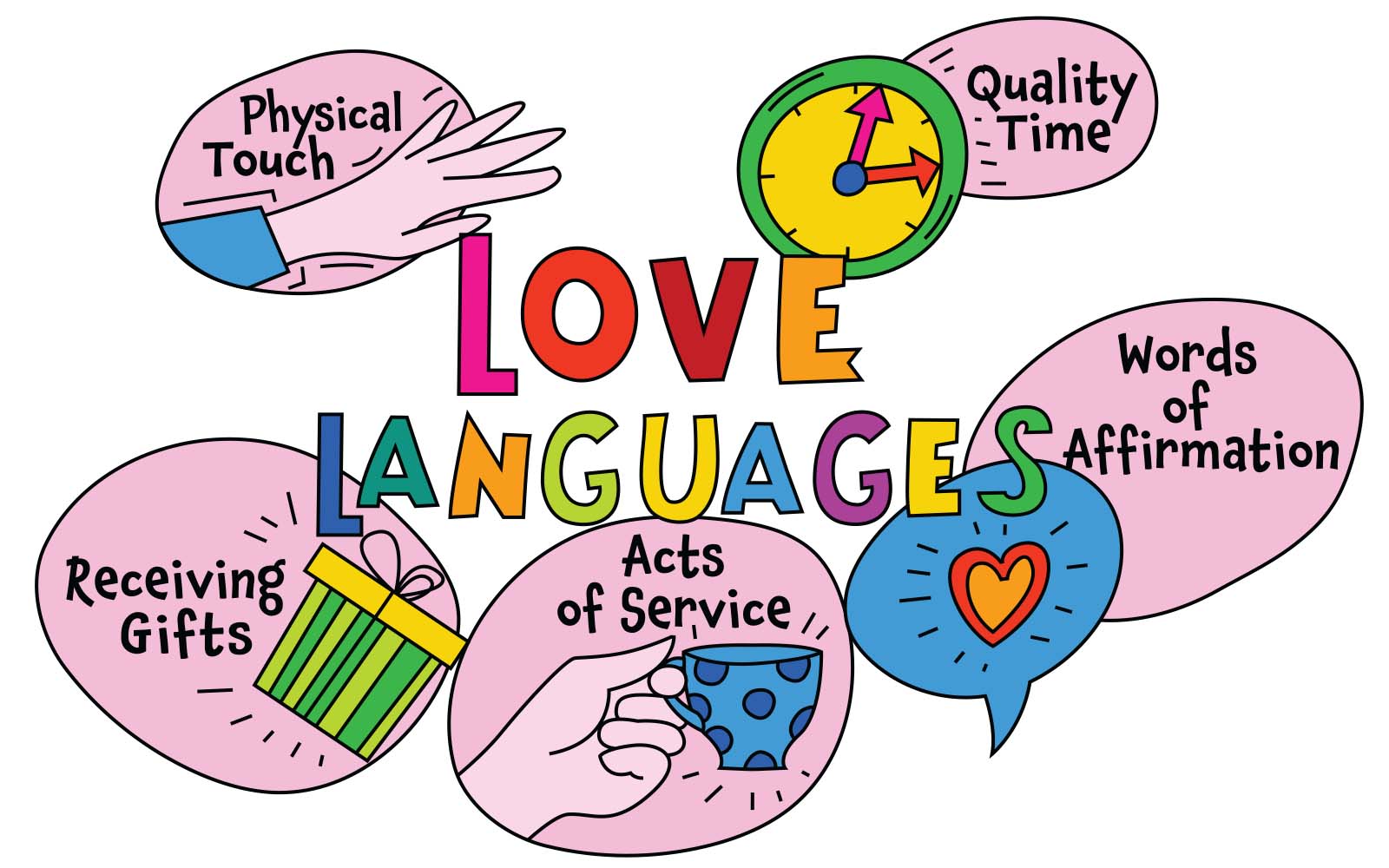
According to the world-renowned psychologist Dr. Gary Chapman, there are five distinct ways people express and receive love. Let's examine each one to see which resonates with you and your loved ones.
1. Words of Affirmation
For those with this language, words are the lifeblood of the relationship. Simple phrases like "I love you," "You look beautiful today," or "I appreciate you" provide a deep sense of security and value.
How to love them: Send frequent texts, make phone calls just to say hello, or offer encouragement like, "This meal is delicious" or "I’m here for you."
What to avoid: Insults, harsh criticism, or mockery, as these individuals feel the sting of negative words more deeply than others.
2. Quality Time
In this language, "emotional proximity" is more important than mere "time." It’s not just about being in the same room while staring at phones; it’s about focused attention, talking, walking together, or sharing an activity.
How to love them: Put your phone away during conversations and listen without interrupting. Cooking together or watching a movie intentionally counts as meaningful connection.
What to avoid: Distractions when you are together or frequently canceling plans.

3. Receiving Gifts
This language isn't about materialism; it’s about the "thoughtfulness" behind the gift. A gift serves as a visual symbol that someone was thinking of them.
How to love them: It doesn't need to be expensive. Buying their favorite snack or remembering something they mentioned they wanted shows you care. Homemade gifts and anniversary tokens are priceless evidence of your love.
What to avoid: Forgetting birthdays or anniversaries, or giving thoughtless, last-minute gifts.
4. Acts of Service
For these individuals, actions speak louder than words. They feel most loved when their partner does something to ease their burden or helps with a task.
How to love them: Instead of asking "How can I help?", take the initiative. Helping with chores when they are tired, running an errand, or driving them somewhere are acts of true love.
What to avoid: Breaking promises to help or displaying laziness/apathy toward shared responsibilities.

5. Physical Touch
Beyond words, physical contact like holding hands, hugging, or a reassuring pat on the shoulder provides a sense of safety and intimacy.
How to love them: Sit close to them while watching a movie. A warm hug before leaving for work or upon returning can melt away their daily stress.
What to avoid: Long periods without physical contact or reacting coldly/rejecting their touch.
Everyone expresses love in different ways. You might be giving one type of love, while your partner is longing for another. To avoid misunderstandings, make an effort to identify each other's Love Language. Learning to speak the language your partner understands is the most effective way to build a beautiful, lasting relationship.



Comments