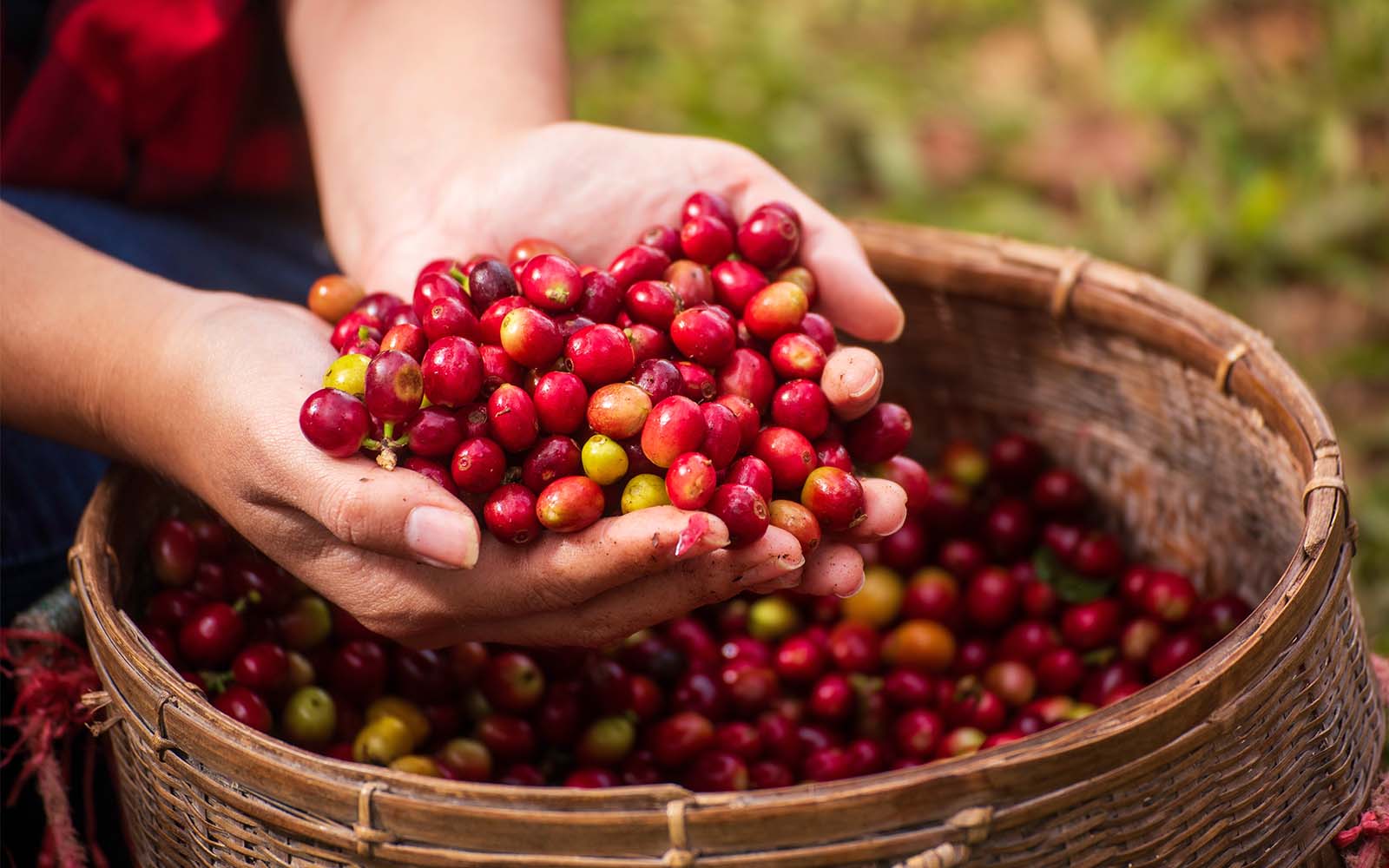
From the lush green Shan Hills to the high Chin Mountains, Myanmar's vast landscapes are home to coffee plantations producing high-quality beans that are now recognized both locally and internationally. Thanks to the varying soil conditions, climates, and cultivation methods across different regions, each coffee has a unique flavor profile. These distinctive tastes have led to coffee being enjoyed year-round and in every corner of the country. Myanmar coffee, with its rich and diverse flavors, has become a proud local product, and the stories behind each bean are fascinating to explore. This article highlights those stories for all coffee lovers.
Types of Coffee Beans
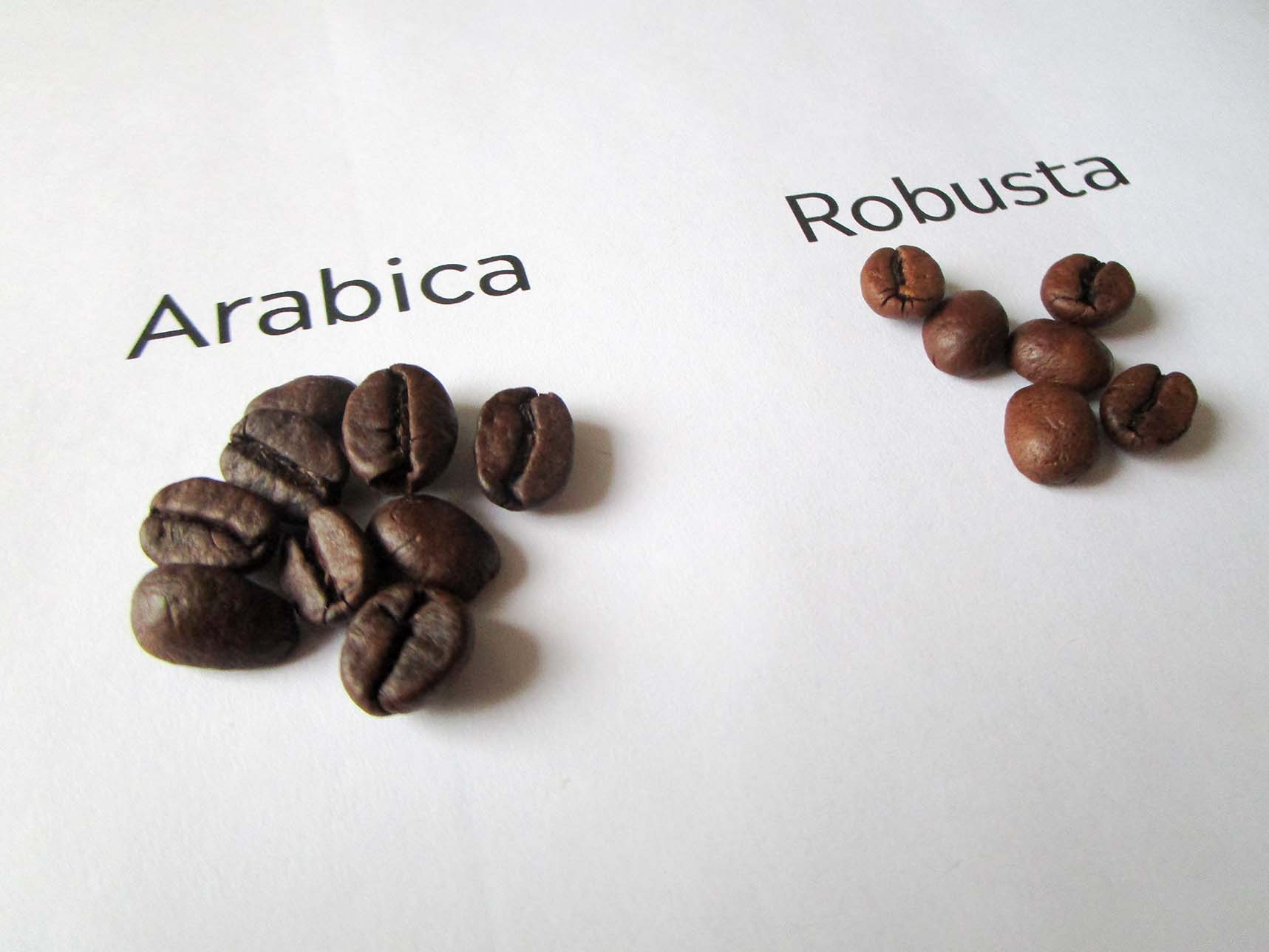
For high-quality coffee beans, the most cultivated regions include Pyin Oo Lwin in Mandalay Region, Tedim in Chin State, and Ywangan and Hopong in Shan State. Among them, the Myanmar Arabica beans from Pyin Oo Lwin and Ywangan are well-known and even exported internationally. These beans are popular in cafes and with individual brewers for their fragrant aroma, smooth and balanced flavor, and hints of chocolate.
Another widely grown bean type is Robusta, which is more affordable and commonly found in instant coffee sachets and teashops. Grown primarily in Mon and Kayin States, Robusta beans are known for their strong bitterness and high caffeine content—perfect for those who prefer a bold brew.
Coffee Varieties by Region
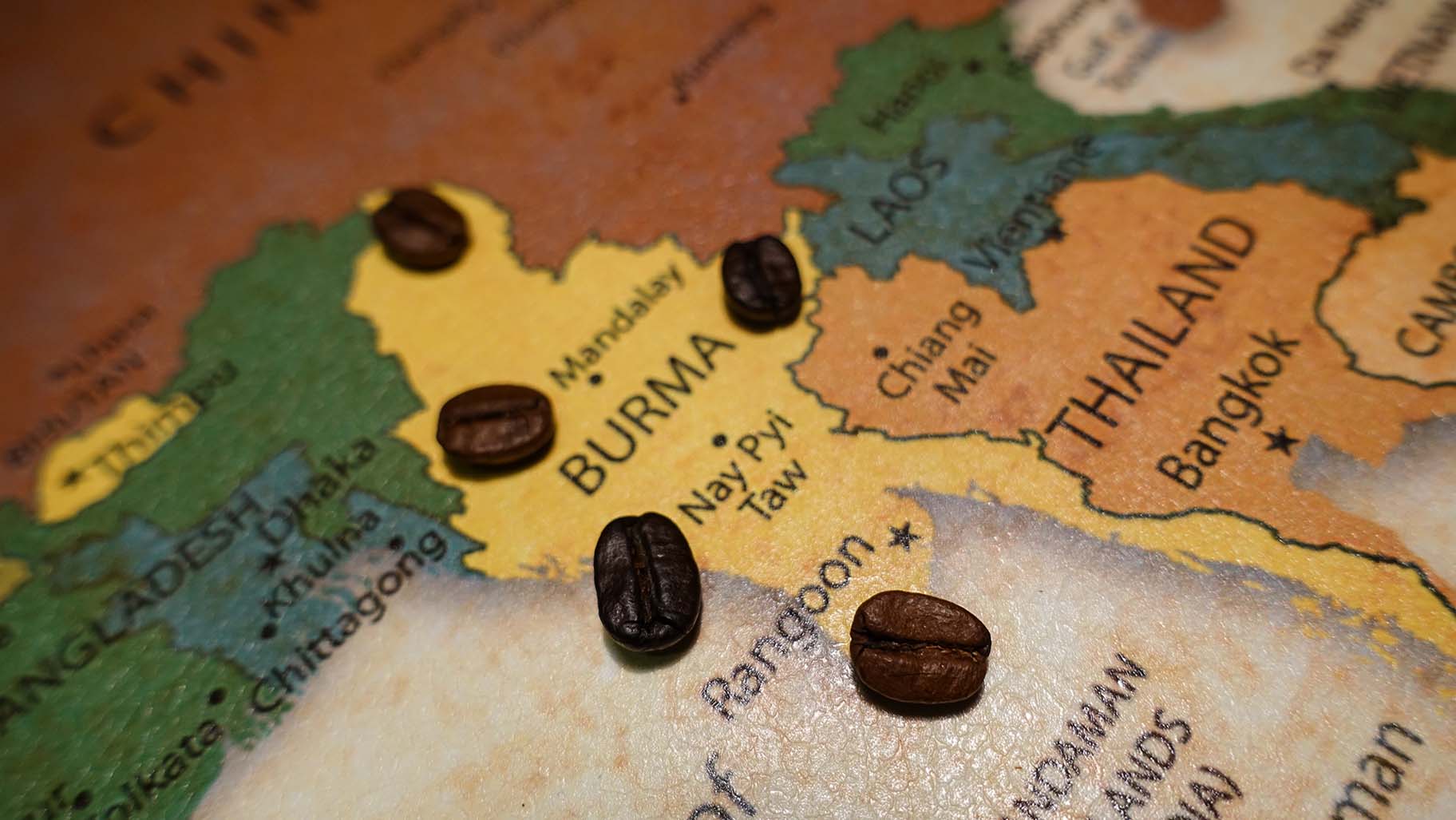
Ywangan, Shan State is a source of national pride for its high-quality Arabica coffee. Danu and Pa-O farmers carefully cultivate, sun-dry, and process these beans using traditional methods. This attention to detail has made Ywangan coffee a standout both at home and abroad.
Pyin Oo Lwin, with its green hills and cooler climate, also produces well-balanced, popular beans. The climate allows for abundant harvests and has led to a surge in cozy coffee shops, making it a favorite destination for coffee lovers.
Hopong, though less well-known, is quickly gaining recognition. Its highland plantations yield flavorful beans, and local Pa-O communities are increasingly producing for the domestic specialty market.
Chin State, particularly the highland areas, is a promising newcomer in coffee cultivation. Its cool weather and mountainous terrain are ideal for Arabica production. The coffee grown here offers a distinct taste and shows strong potential for growth in the coming years.
Each sip of Myanmar coffee tells a story, not only of the region it came from but also of the people and their traditional techniques. Supporting local coffee means supporting community-based businesses and contributing to Myanmar’s growing presence in the global coffee market.





Comments