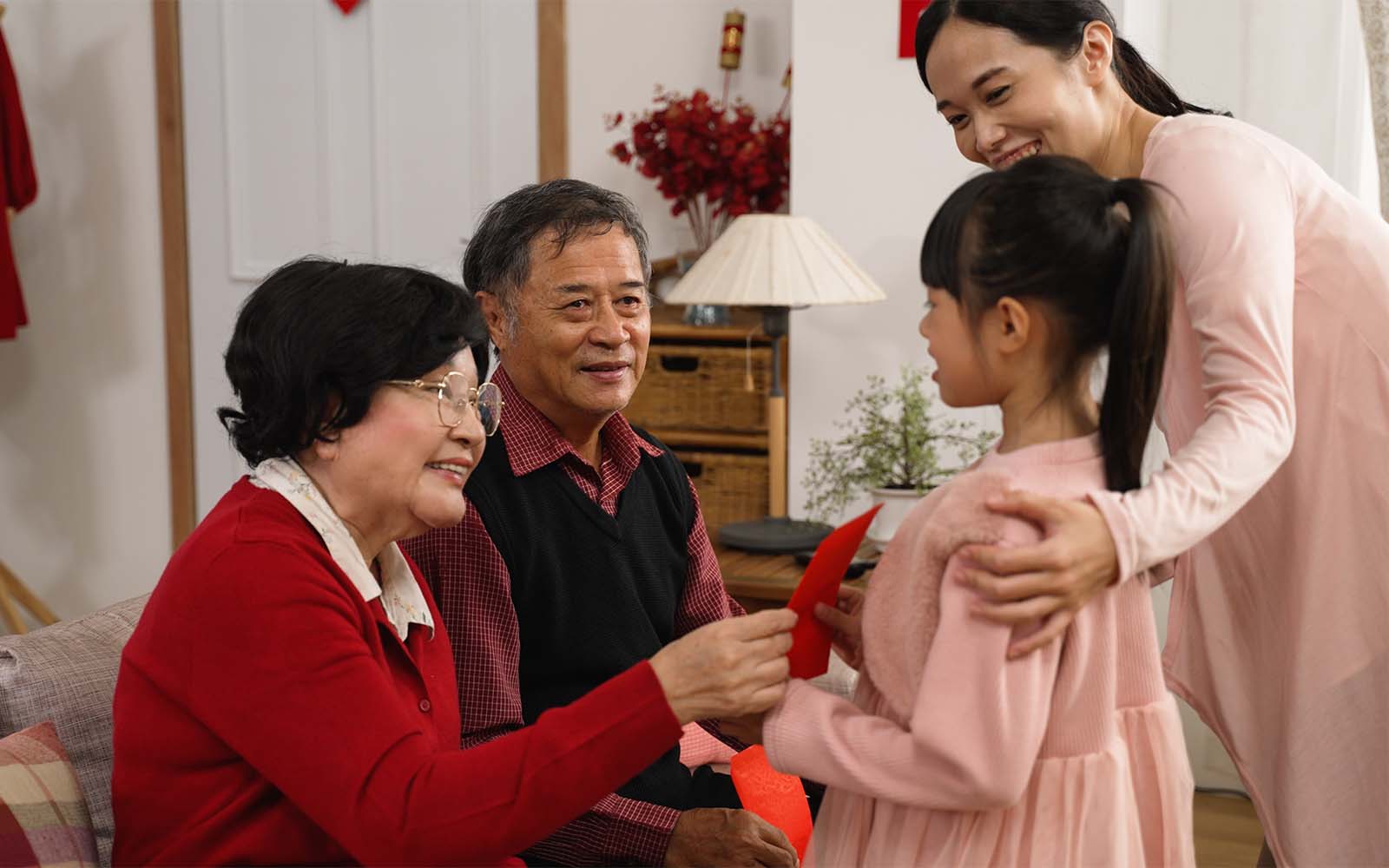
One of the most prominent traditions associated with the Chinese New Year is the custom of giving monetary gifts in red envelopes known as hongbao. This practice is actually a long-standing tradition steeped in history and carries deep symbolic meanings. This article explores the history and significance behind these red envelopes.
The Origin Story of hongbao
Before they became red envelopes, the story is said to have begun as far back as the Han Dynasty. The legend goes:
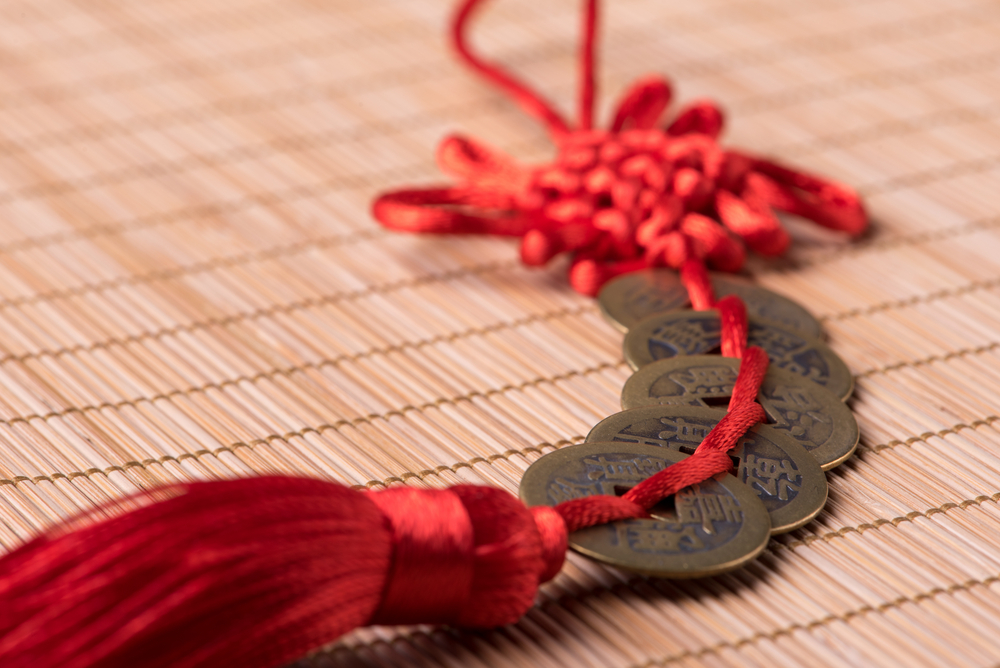
“During the New Year period, there was a demon named "Sui" who would terrify young children. To protect them from Sui’s malice, parents would try to keep their children awake all night. One night, a mother gave her child eight gold coins to play with so the child wouldn't fall asleep. However, the child eventually drifted off. When the demon Sui approached the sleeping child, the eight coins on the pillow suddenly emitted a bright light, the power of the legendary "Eight Immortals." This light drove the demon away. Since then, it became a tradition to give children gold coins tied with thread or ribbon during the New Year.”
Red Strings and Gold Gifts
When giving gold coins to children, red strings were used. It was believed that carrying these gifts in a pouch or keeping them in the house would bring good luck and prosperity. The gold coins symbolized "money that suppresses the demon Sui," while the color red represented life, vitality, and protection against evil.
Furthermore, there are beliefs regarding the numbers involved. The number 4 is considered unlucky because it sounds like the word for "death," while the number 8 is believed to bring good fortune. Therefore, the number 8 is most commonly used when giving these gifts.
The Transition to hongbao (Red Envelopes)
As time passed, the custom of tying coins with red string evolved. In addition to the original legend, another variation emerged where paper money was wrapped in red paper. Eventually, this moved toward the tradition of using red envelopes, known as hongbao. Although the form has changed, the essence and meaning remain the same, as hongbao are still primarily red with gold accents. This is why many say that when giving a New Year gift, the red envelope itself is the meaningful essence, rather than just the money inside.
Modern Technology and Modern hongbao
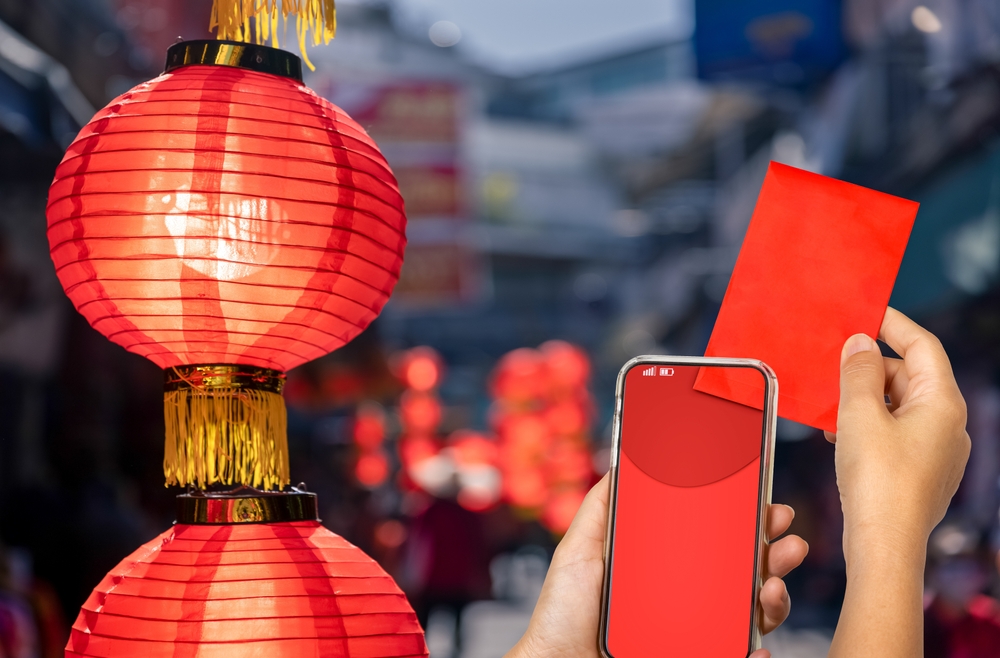
In today's age dominated by the internet and mobile phones, red envelopes can now be sent via phone screens as modern hongbao. These are known as Digital hongbao. This is a positive evolution as it allows family members and friends who are far apart to share the tradition in a new way. In some countries, fans can even send these Digital hongbao to their favorite artists.
Now you know the history and essence of red envelopes. As the 2026 Chinese New Year approaches, we wish you all a year filled with good luck and prosperity!





Comments