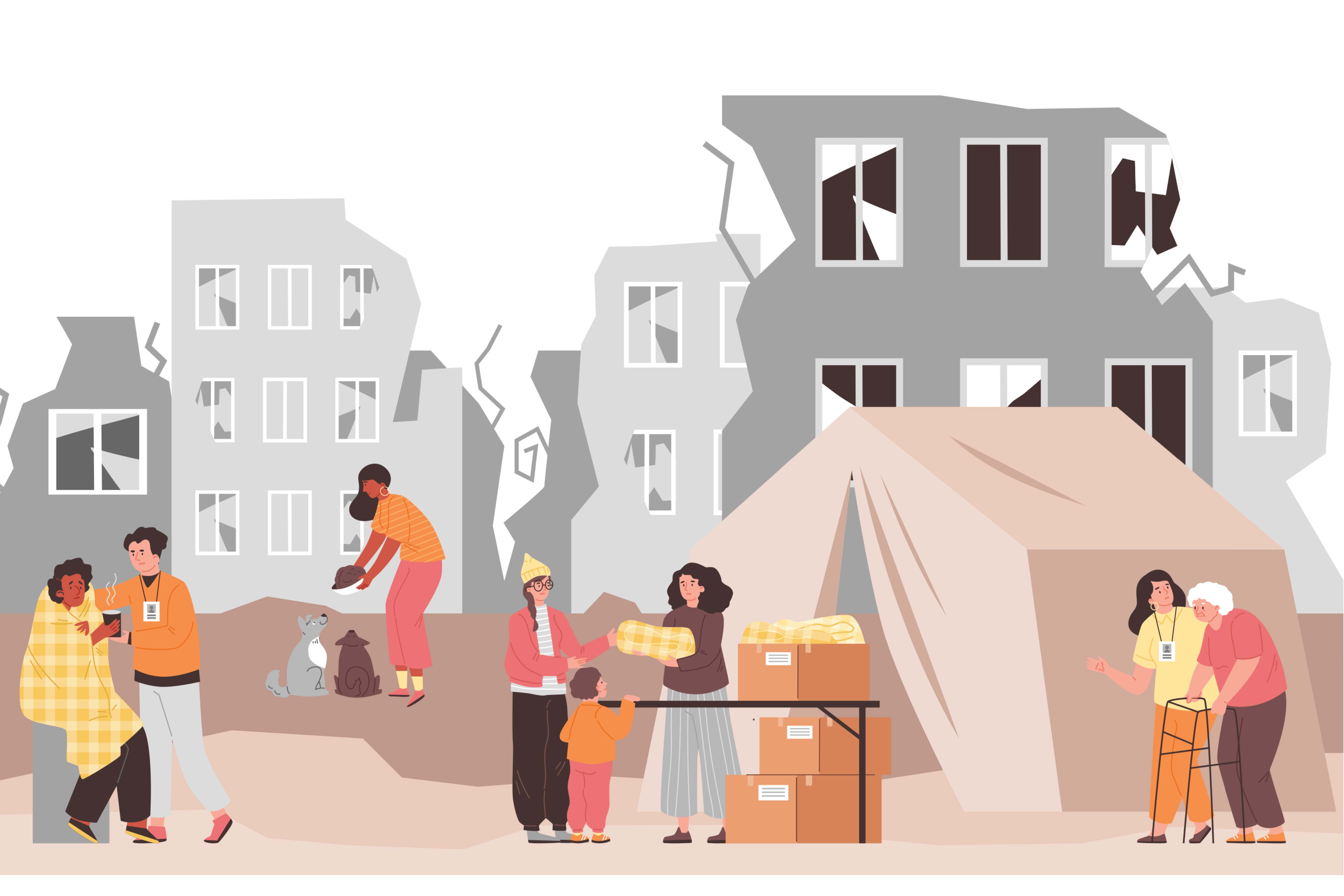
After experiencing an earthquake, the immediate visible impact is not just the physical destruction of homes and buildings. There are also serious health concerns and potential outbreaks of infectious diseases that can emerge as secondary consequences. Proper preparedness, emergency medical care, and access to clean drinking water are crucial in preventing health risks, especially in areas where resources become scarce. Both children and adults face the threat of infectious diseases in such situations.
Injuries and Trauma
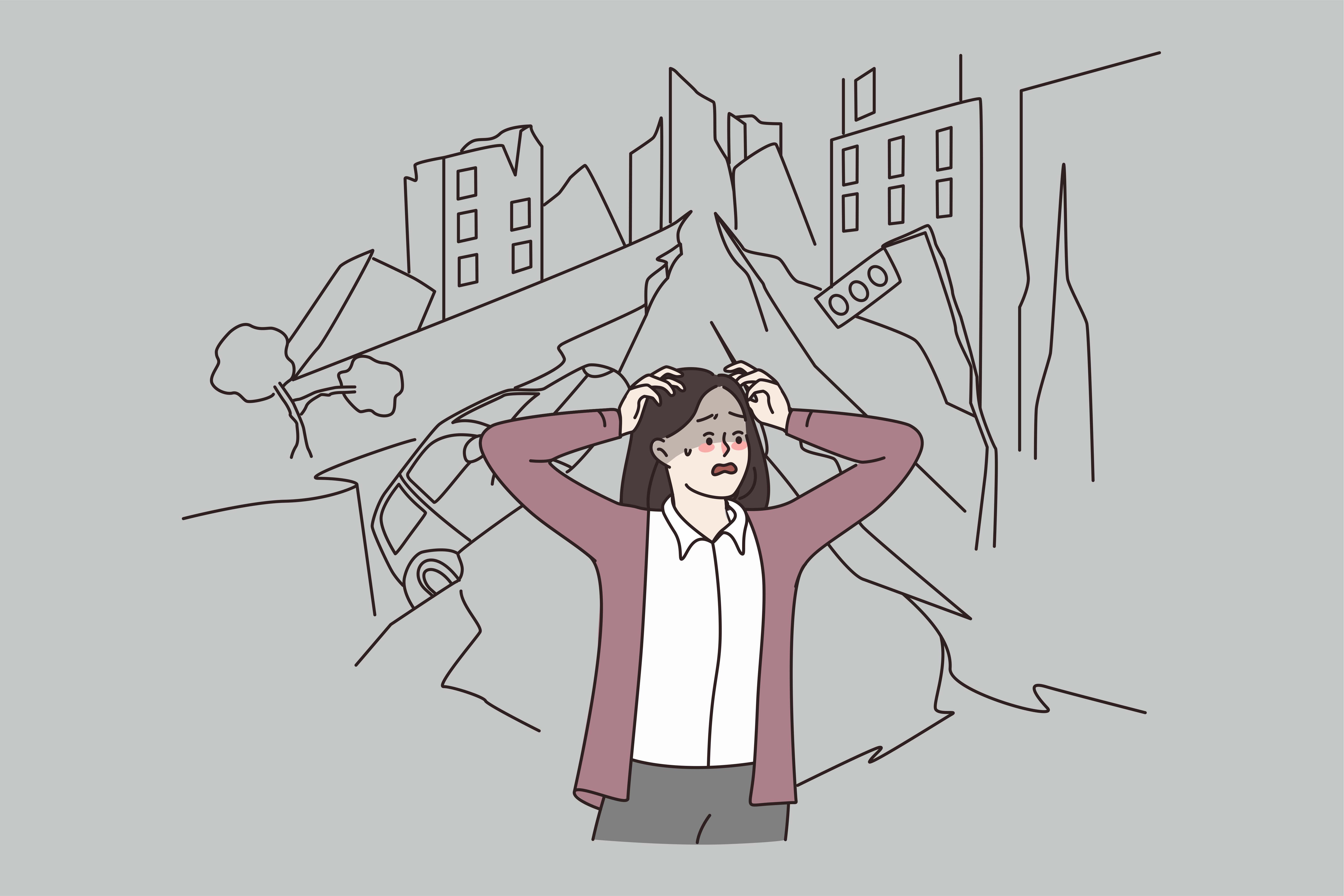
During an earthquake, injuries commonly occur when people flee collapsing structures, become trapped under debris, or attempt rescue and repair efforts. Many individuals may overlook their own wounds due to the chaos of the situation, focusing instead on escaping or searching for missing persons. Additionally, being crushed under falling debris can lead to Crush Syndrome. This condition arises when muscles are compressed for long hours, leading to a lack of oxygen supply and the release of toxins into the bloodstream upon rescue. This can result in kidney failure and even death.
Other common injuries include fractures, deep cuts, head injuries, and spinal damage. To minimize risks, individuals working in disaster-stricken areas should wear sturdy shoes, gloves, and masks. In cases of both mild and severe injuries, immediate medical attention is essential.
Contaminated Water and Food Poisoning
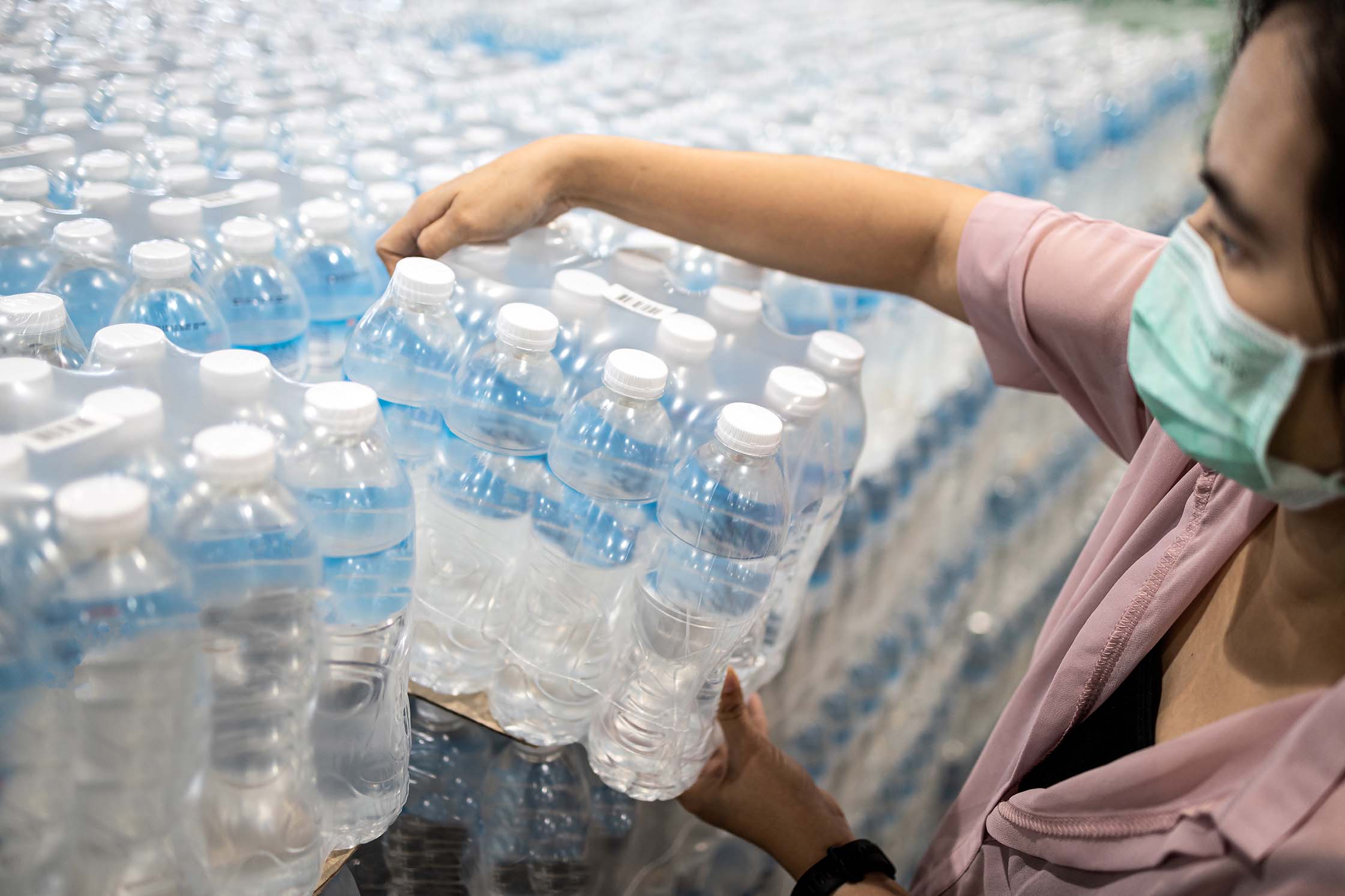
Earthquakes can damage water supply systems, sewage treatment plants, and pipelines, leading to outbreaks of diarrheal diseases such as cholera and typhoid. In the absence of clean drinking water, it is essential to boil water, use chlorine tablets, or rely on portable water filters. People should also avoid consuming water from flooded or debris-laden areas.
Food supply chains are often disrupted due to damaged farmlands and transport routes, making it difficult to access nutritious food. Malnutrition becomes a serious concern, particularly for children, pregnant women, and the elderly, who are more vulnerable to vitamin deficiencies and weakened immune systems. A well-balanced diet and proper hydration can aid in recovery and strengthen immunity.
Respiratory Issues from Dust and Debris
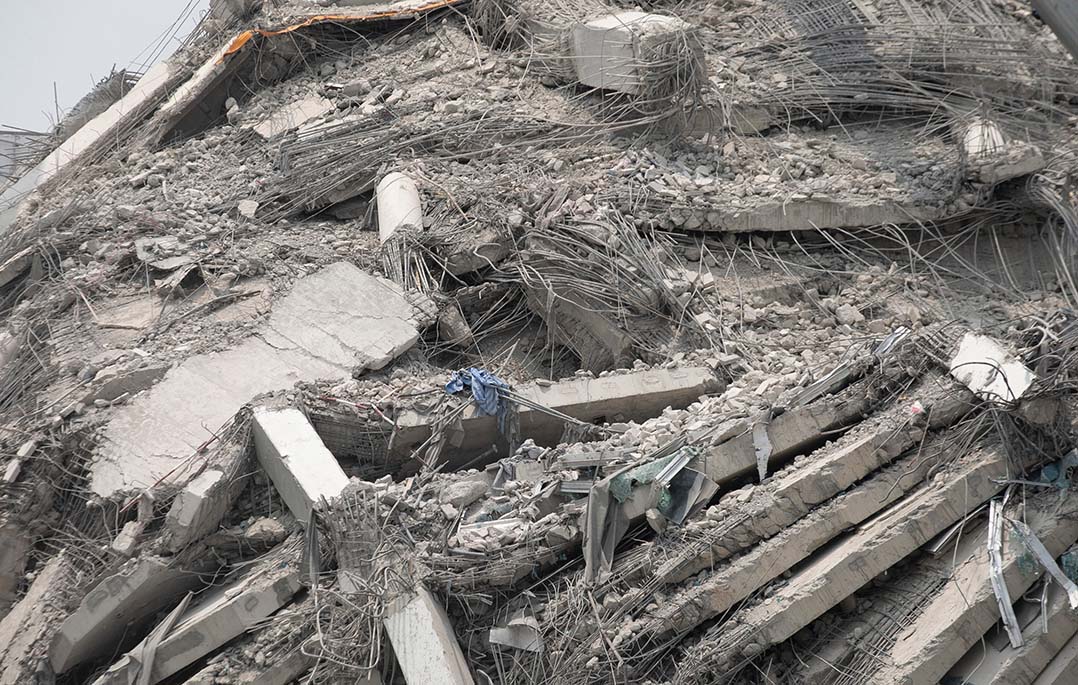
Collapsed buildings and fires can release hazardous gases, dust, and smoke, leading to respiratory issues. Individuals with pre-existing conditions such as asthma or heart disease should take extra precautions and continue their prescribed medications. Wearing N95 masks or covering the nose and mouth with clean cloths can help reduce inhalation of harmful particles.
Additionally, in areas prone to floods following earthquakes, mold growth can pose health risks. Keeping living spaces dry and well-ventilated is necessary to prevent respiratory complications.
Risk of Infectious Diseases
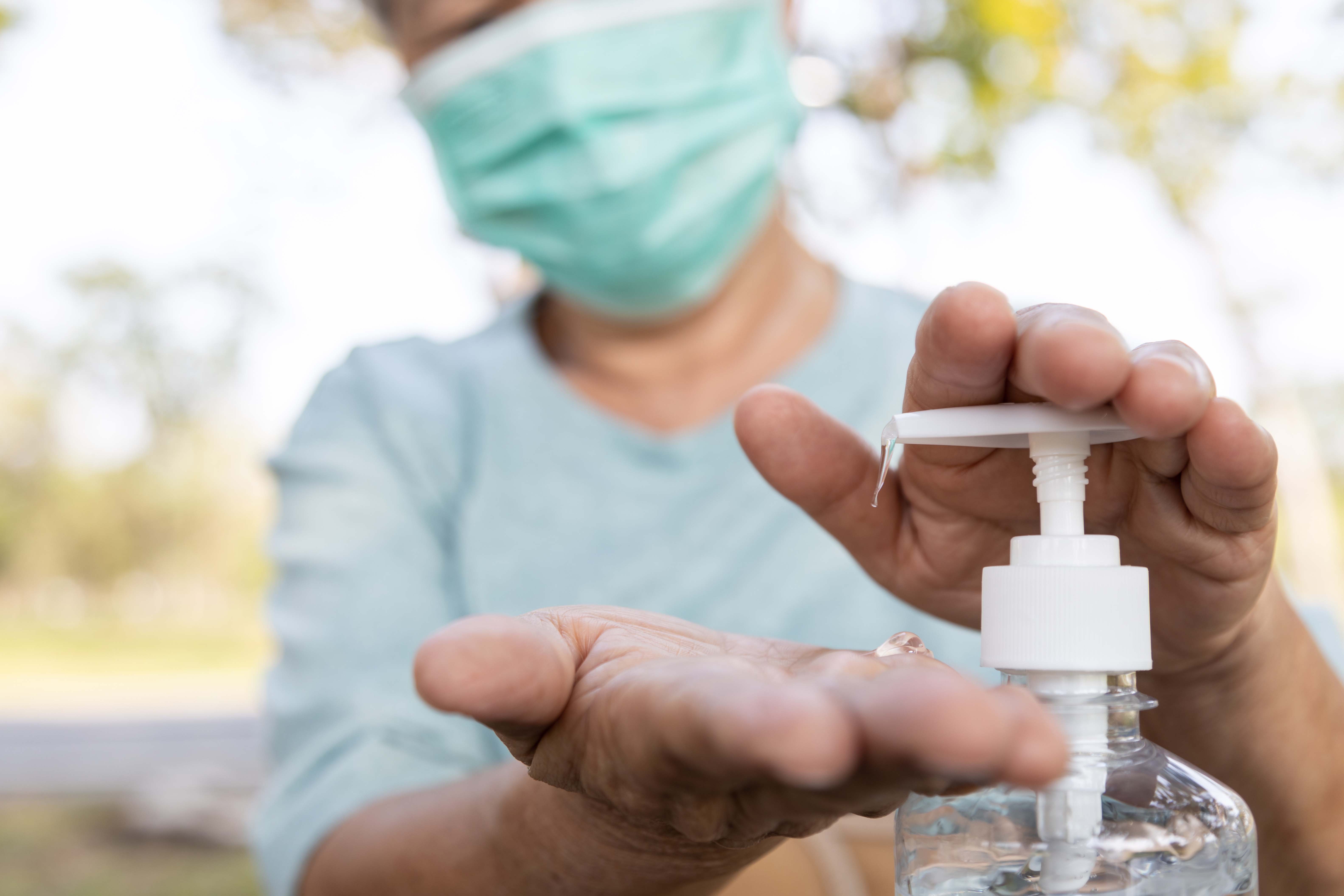
With homes and buildings destroyed, many people are forced into temporary shelters, where the risk of infectious diseases increases due to overcrowding and poor sanitation. Flu, COVID-19, Hepatitis A and skin infections are among the most common health threats in such environments. Maintaining personal hygiene, washing hands frequently, and wearing masks in crowded areas can help prevent outbreaks. During rescue operations, the risk of infectious diseases increases due to unsanitary environments and airborne pathogens, so it's important to stay cautious and prioritize hygiene to remain safe from potential dangers. During rescue operations, the risk of infectious diseases increases due to unsanitary environments and airborne pathogens, so it's important to stay cautious and prioritize hygiene to remain safe from potential dangers. Mosquito-borne diseases, such as dengue fever, are also a concern in post-earthquake settings. Mosquito control measures, including the use of insect repellent, mosquito nets, and environmental cleanliness, should be prioritized.
Beyond physical injuries and illnesses, mental health issues such as stress, anxiety, and trauma can persist long after the earthquake. Survivors may experience emotional distress due to the loss of loved ones, homes, and livelihoods. Providing emotional support, counseling, and community engagement can help individuals cope with the long-term psychological effects. By recognizing and addressing these health risks, individuals and communities can take proactive steps to protect themselves and others. Preparedness and awareness are key to reducing the impact of an earthquake and ensuring a safer recovery process.





Comments