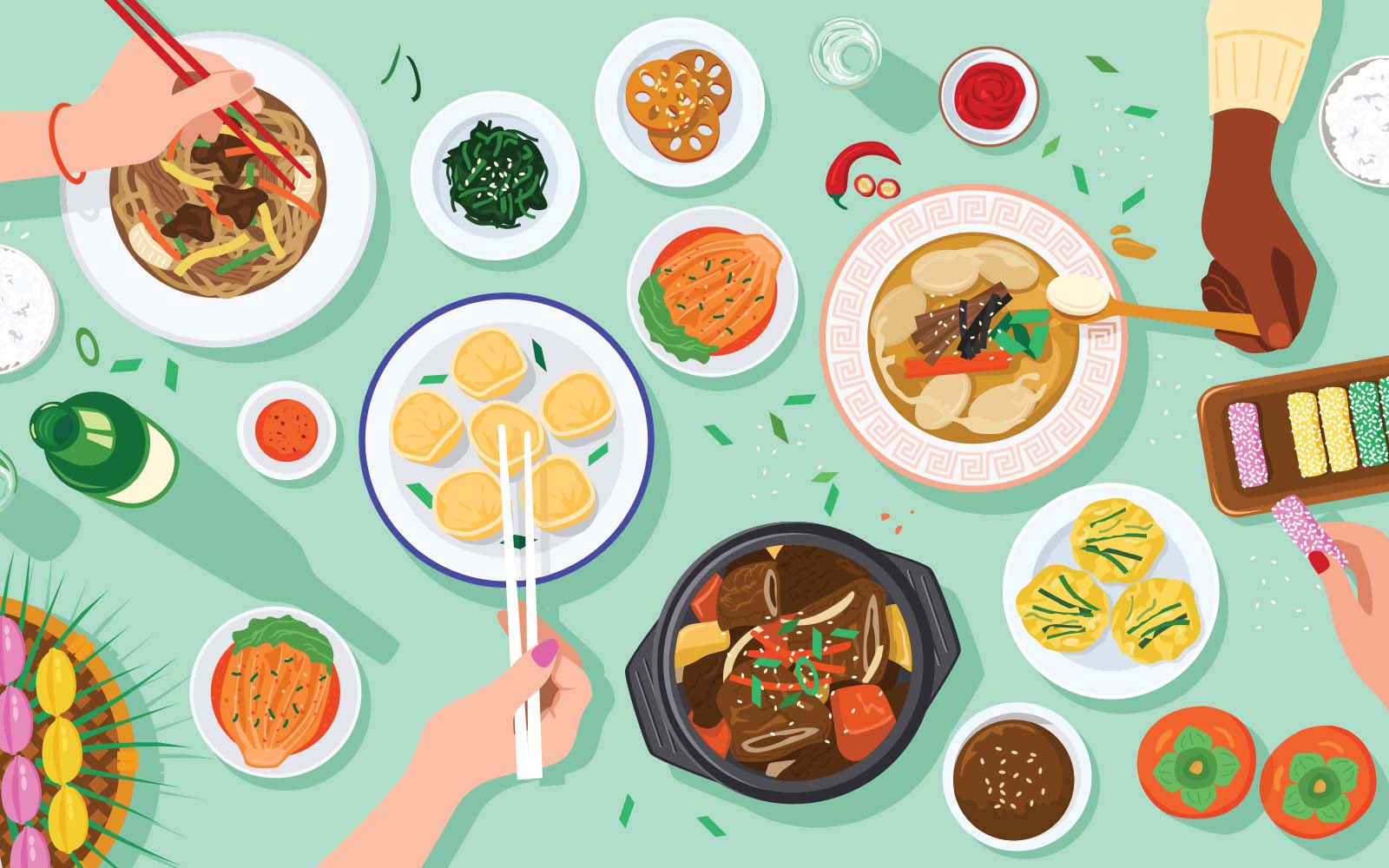
Asia is one of the world’s most diverse continents, rich in culture and flavor. While each country proudly preserves its own traditions, nowhere is cultural diversity and evolution more visible than in food. Across the region, agriculture has flourished, and the variety of ingredients and cooking methods has made Asia a paradise for food lovers. From the rich, aromatic spices of Indian cuisine to the light, delicate flavors of Japanese dishes, Asian food reflects a deep-rooted exchange of culture that now blends into everyday meals.
A History of Taste and Cultural Exchange
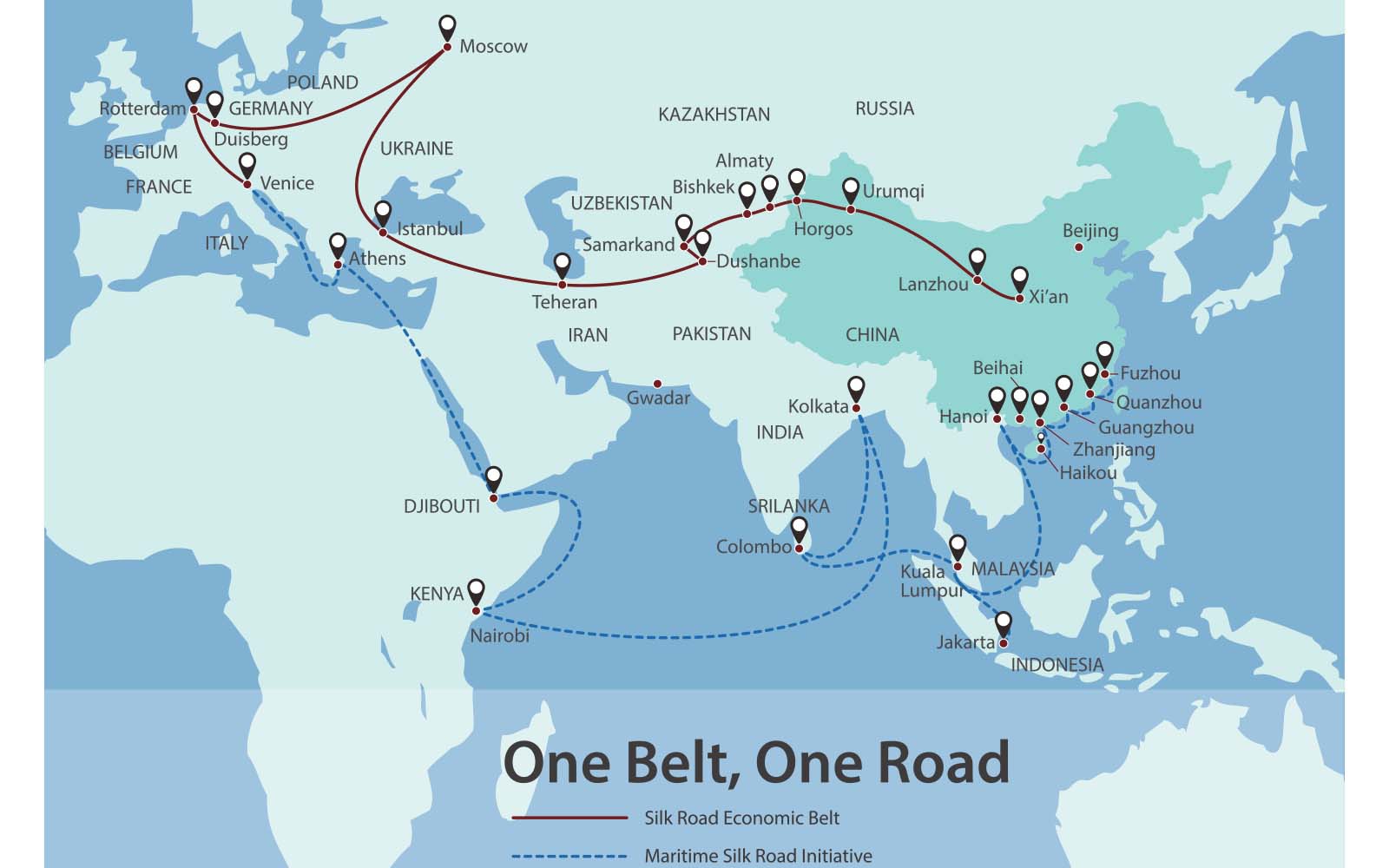
Much of the diversity in Asian food comes from its historic trade routes. The Maritime Silk Road and the overland Silk Road linked East Asia with the Middle East and Europe, facilitating not only the exchange of goods but also spices, ingredients, and culinary techniques. As a result, staple ingredients like rice, noodles, chili, beans, tamarind, and tealeaf were traded and adapted across regions, creating similar yet uniquely named dishes in different cultures. For example:
- Noodles are beloved across Asia; Ramen in Japan, Pho in Vietnam, and hand-pulled noodles in China.
- Rice is a daily staple from Indian biryani to Korean bibimbap.
- Fermented ingredients like soy sauce, miso, kimchi, and fish sauce are key flavor components adapted across regions in different ways.
Shared Flavors in Diverse Forms
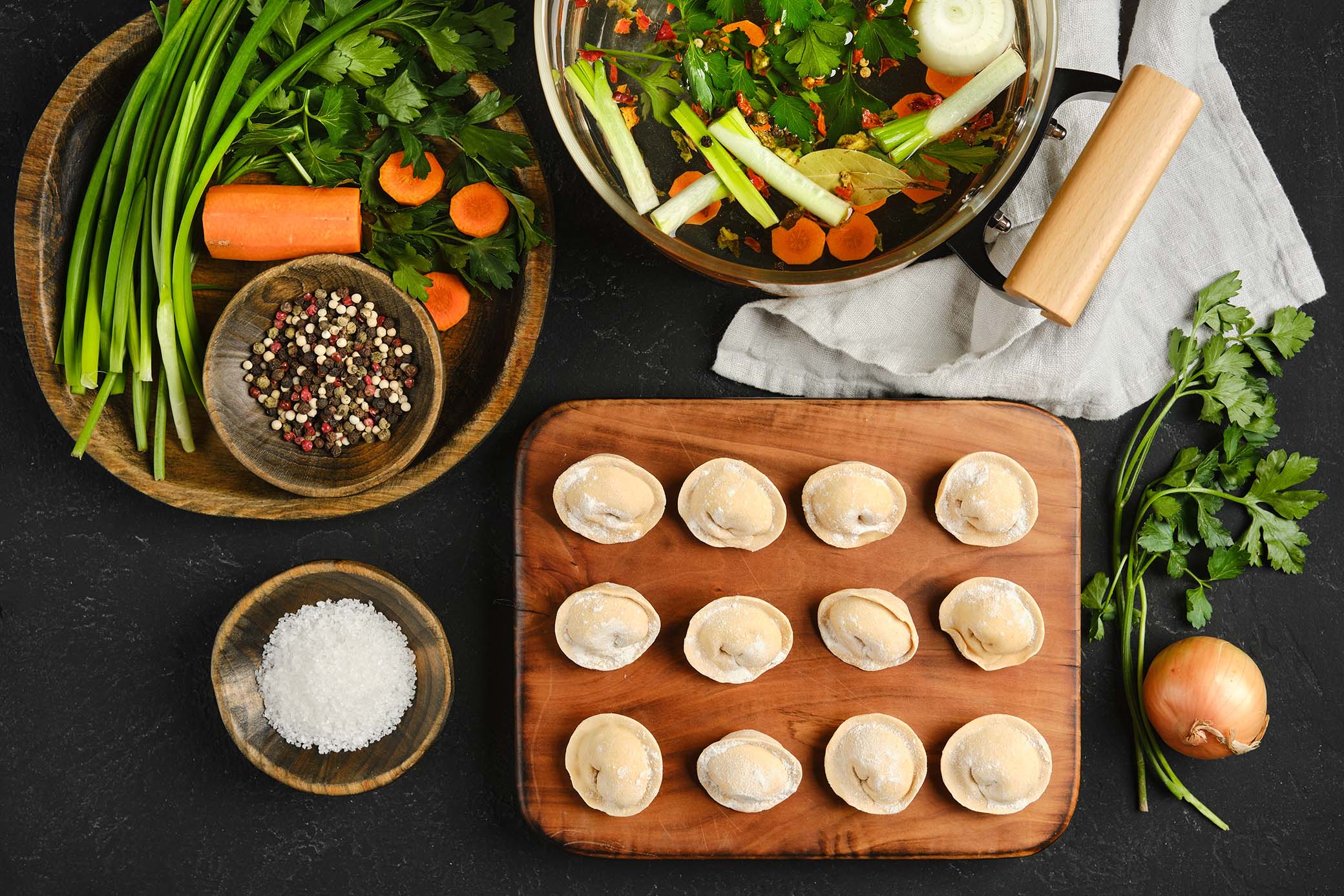
Despite geographical differences, many Asian cuisines follow the same balance of sweet, sour, salty, and spicy. Seasonal vegetables, herbs, and fruits are commonly used, and meals are often shared among family and community members, a practice that transcends language barriers and unites people through food. Take dumplings, for example, known as Jiaozi in China, Mandu in Korea, and Spring Rolls in Vietnam, the form may vary, but the essence of wrapping food with love and sharing it with others remains the same.
Culinary Roots in Tradition and Meaning
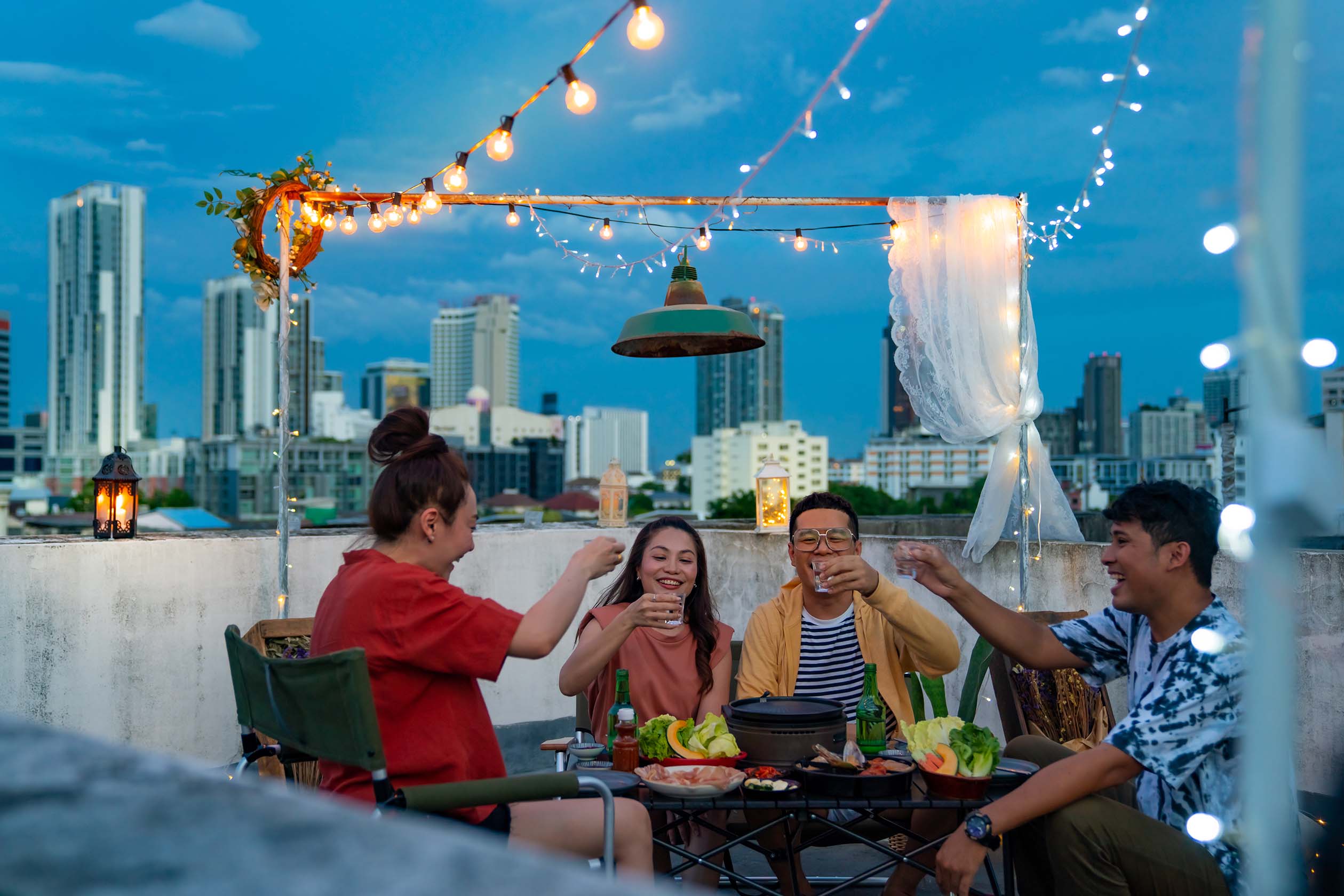
More than just taste, Asian dishes often carry deep cultural significance. Many traditional meals are tied to family rituals, celebrations, and festivals. Foods represent prosperity, unity, and renewal, and are crafted with care for special moments in life.
Even in today’s fast-paced world, Asian cuisines continue to evolve while staying grounded in heritage. Whether you're enjoying Japanese sushi or a hearty Indian lentil curry, each dish tells a story of generations, shared values, and interconnected cultures.





Comments